

Sonam Wangchuk's Hunger Strike Spurs Violence in Ladakh
Activist Sonam Wangchuk's hunger strike for Ladakh's Sixth Schedule status and statehood escalated to violence, prompting clashes with police. Despite significant government efforts towards dialogue, Wangchuk's provocative acts led to unrest and damage to public property, raising concerns over his influence and the ongoing discussions.
- Country:
- India
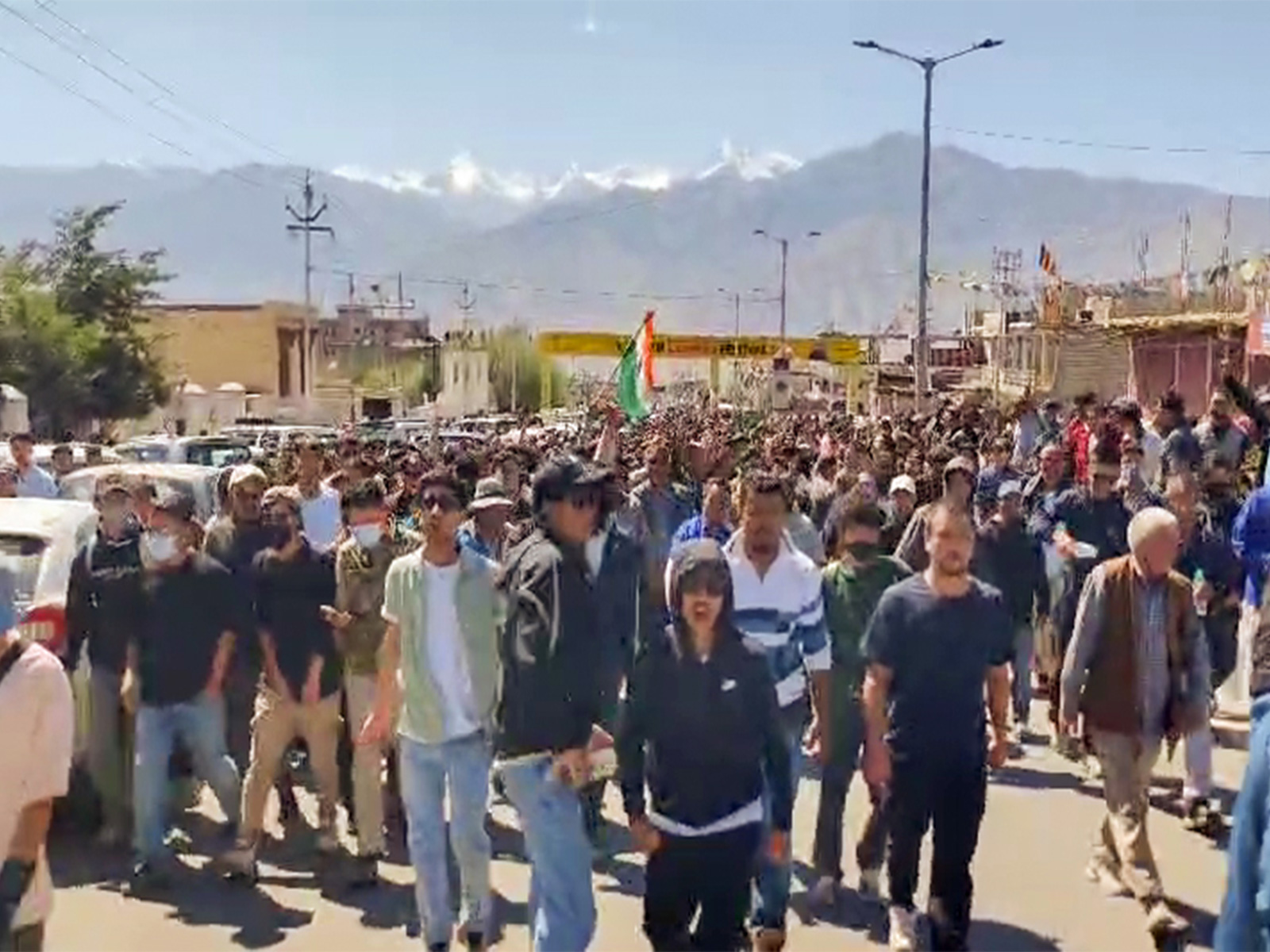
Activist Sonam Wangchuk's hunger strike, started on September 10 to demand Sixth Schedule status and statehood for Ladakh, resulted in violent clashes with police, damaging public property. The protest, which turned volatile, has raised serious concerns among authorities and the public.
The Indian government has been actively engaging with the Apex Body Leh and the Kargil Democratic Alliance over similar issues, holding multiple meetings through a High-Powered Committee. These discussions have achieved significant milestones, including a substantial increase in reservations for the Ladakh scheduled tribe, as well as introducing women's reservations and official language statuses for Bhoti and Purgi.
Despite these efforts, Wangchuk's hunger strike persisted, reportedly inciting an Arab Spring-style protest. On September 24, violence erupted when a mob attacked a political party office and government property. The situation was brought under control by the evening, following injuries to over 30 police personnel. Wangchuk eventually ended his fast, leaving in an ambulance, but concerns about his role in the unrest lingered.


 Google News