

Boosting Domestic Production of P&K Fertilizers: A Path to Reduced Import Dependency
A parliamentary panel emphasizes increasing domestic production of phosphatic and potassic fertilizers to reduce import dependence. The country heavily relies on imports for these raw materials, affecting local production costs due to global market fluctuations. The committee urges timely completion of production projects for self-sufficiency.
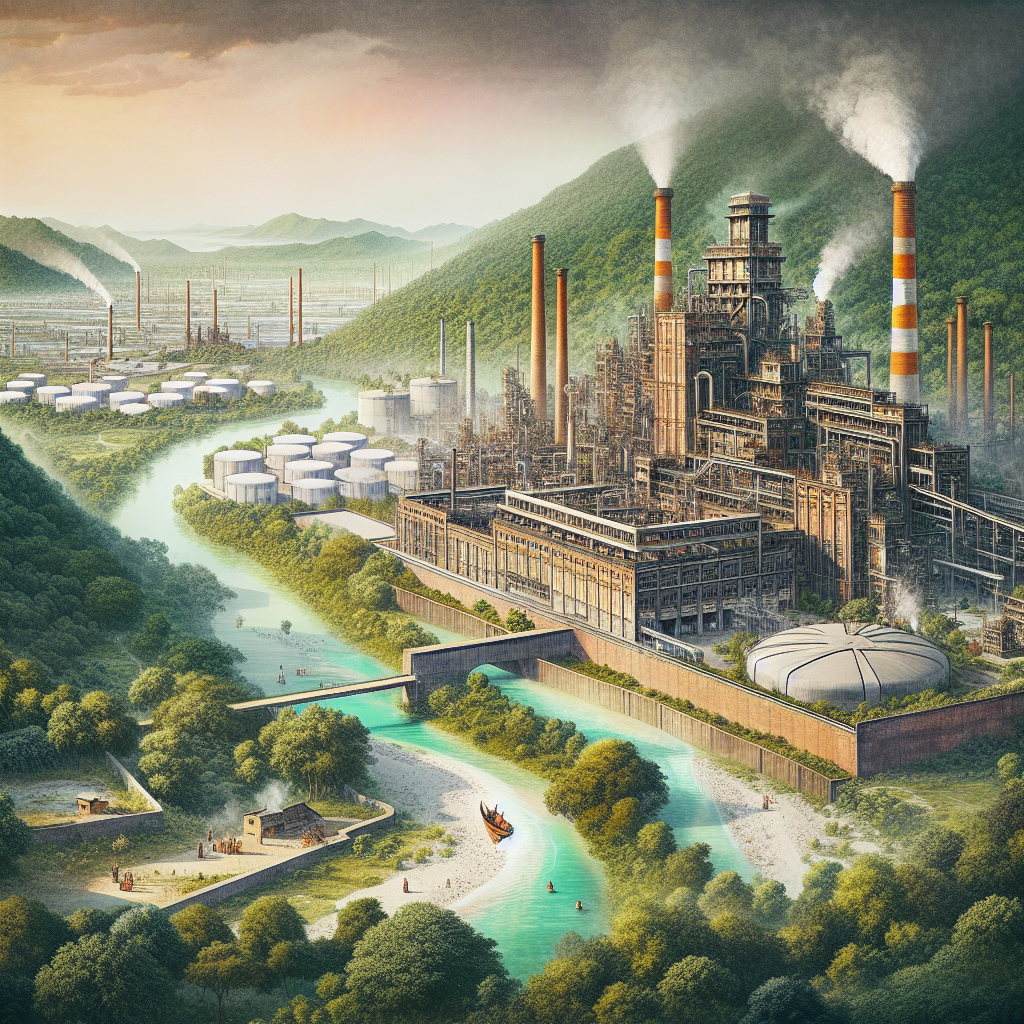
- Country:
- India
A parliamentary panel has urged the government to enhance domestic production of phosphatic and potassic (P&K) fertilizers in a bid to cut down on import reliance. The Standing Committee on Chemicals and Fertilizers presented a report highlighting the need for self-sufficiency in the fertilizer sector, noting that the country heavily relies on imported raw materials to meet its P&K fertilizer needs.
The report revealed that India imports approximately 95% of its phosphate requirements and depends entirely on importation for potash. Global price fluctuations, exchange rates, and supply chain disruptions have notably impacted domestic production costs. The domestic production capacity of P&K fertilizers stands at 160 lakh tonnes annually, against a total requirement of 240 lakh tonnes, which is estimated to rise to 305 lakh tonnes by 2035-36.
With plans underway for new units and capacity enhancements, the committee urged the Department of Fertilizers to ensure timely completion of these projects to boost domestic production and reduce import dependency. In a separate note, they also called for the NPPA to lower stent prices and strictly regulate pricing, ensuring affordability for patients.


 Google News