

Tensions Escalate as U.S. Cracks Down on Venezuelan Oil Trade
U.S. actions against Venezuelan oil shipments have impacted tanker operations, with vessel interceptions and seizures under sanctions. PDVSA faces challenges from a cyberattack and international pressures. Rising oil prices reflect market uncertainties, while geopolitical tensions underscore legal disputes between nations involved.
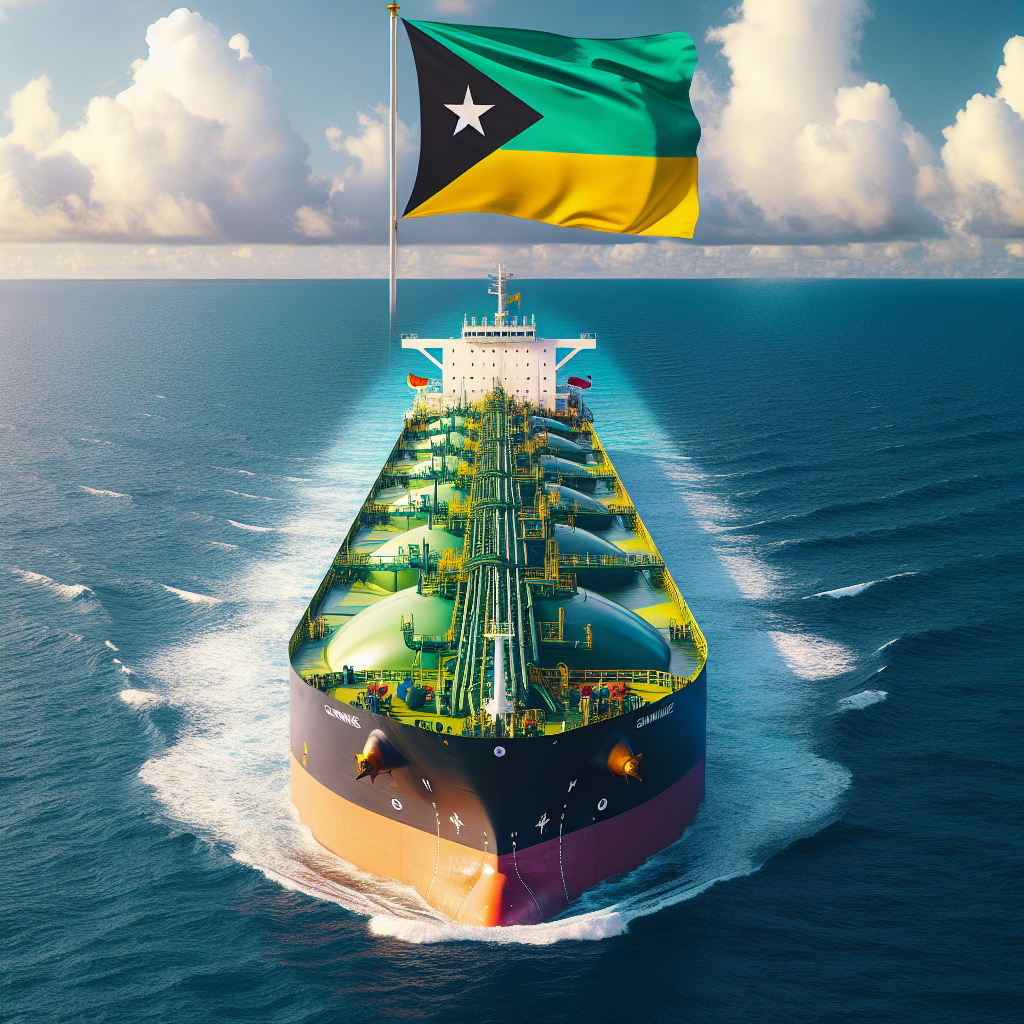
On Monday, tanker operations in Venezuela slowed significantly following U.S. actions against two ships, compounded by a cyberattack on PDVSA, the state-run energy company. The U.S. Coast Guard seized a supertanker and attempted to intercept two more, raising international tensions and disrupting oil transport.
President Donald Trump's administration has intensified pressure on Venezuela's President Nicolas Maduro by blocking sanctioned oil tankers and increasing military presence in the region. This has resulted in heightened fears of supply disruptions amid rising oil prices, reflecting the market's anxiety over geopolitical developments involving Russia and Ukraine.
PDVSA struggles to maintain normal operations due to the cyberattack, leaving oil shipments delayed and causing financial distress among workers. Meanwhile, Venezuela's Foreign Affairs Minister has accused the U.S. of piracy, while Chevron continues exporting Venezuelan oil under U.S. authorization, highlighting ongoing international legal controversies.
ALSO READ
-
Venezuelan Central Bank's Gold Transfer Nears Completion
-
Trump's Bold Move: Meeting with Venezuela's Interim Leader
-
North Korea's Diplomatic Foray: Kim Son-Gyong at the UN Assembly
-
North Korean Diplomat's High-Stakes U.N. Mission
-
High-Stakes Diplomacy: U.S. Secures Release of Adam Castillo from Myanmar


 Google News