

Kashiwazaki-Kariwa Nuclear Power Plant: Restart Amid Safety Concerns
Japan's Kashiwazaki-Kariwa nuclear plant restarts after over a decade post-Fukushima disaster. Operated by TEPCO, the plant faces public safety concerns and distrust. Despite pledges of enhanced safety, local residents remain skeptical about evacuation plans due to the region's seismic activity and TEPCO's past safety failings.
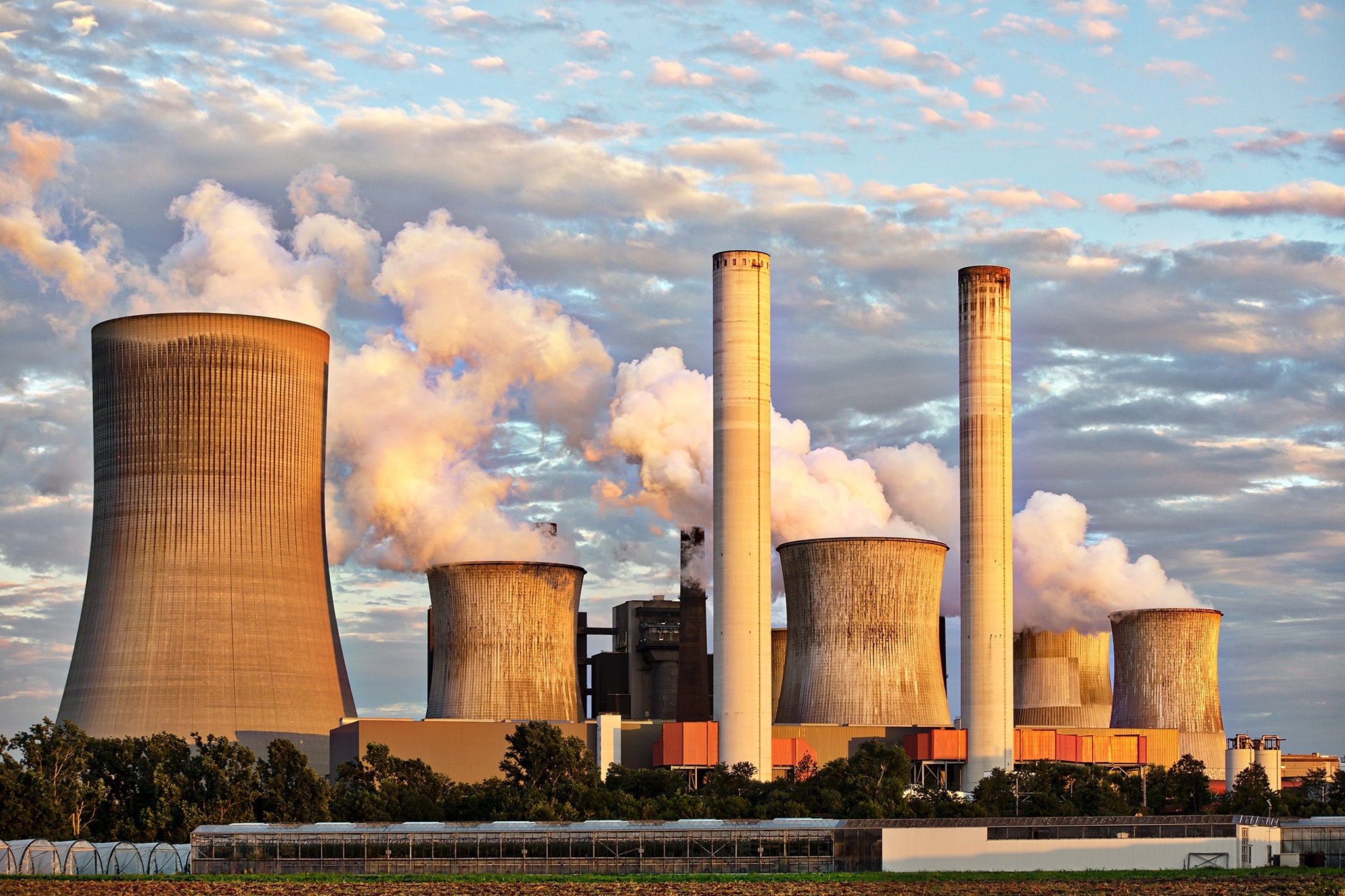
- Country:
- Japan
On Wednesday, Japan's Kashiwazaki-Kariwa nuclear power plant restarted for the first time since the 2011 Fukushima meltdown, signaling Japan's shift towards atomic energy to address rising electricity needs. The No. 6 reactor's launch fuels economic prospects, yet raises fresh safety concerns due to TEPCO's tainted past safety record.
Public trust remains fragile as all seven reactors at Kashiwazaki-Kariwa had been dormant following the infamous Fukushima disaster. TEPCO, the plant's operator, is still grappling with safety issues, with the recent restart marked by regulatory scrutiny and local apprehensions over feasible evacuation plans, given the region's susceptibility to earthquakes.
Despite safety assurances and over 1 trillion yen invested in enhancements, residents worry about potential risks. The plant, capable of powering over 1 million households, embodies Japan’s intensifying focus on nuclear energy amid global fuel strains, aiming to elevate nuclear power's share in its energy mix by 2040.


 Google News