

Oil Markets Roil as Middle East Tensions Escalate
Oil prices surged after Iranian retaliatory attacks disrupted shipping in the Strait of Hormuz following bombings that killed Iran's leader. The price increase could impact global economic recovery, spur inflation, and raise U.S. gasoline prices, posing a risk for President Trump's re-election efforts.
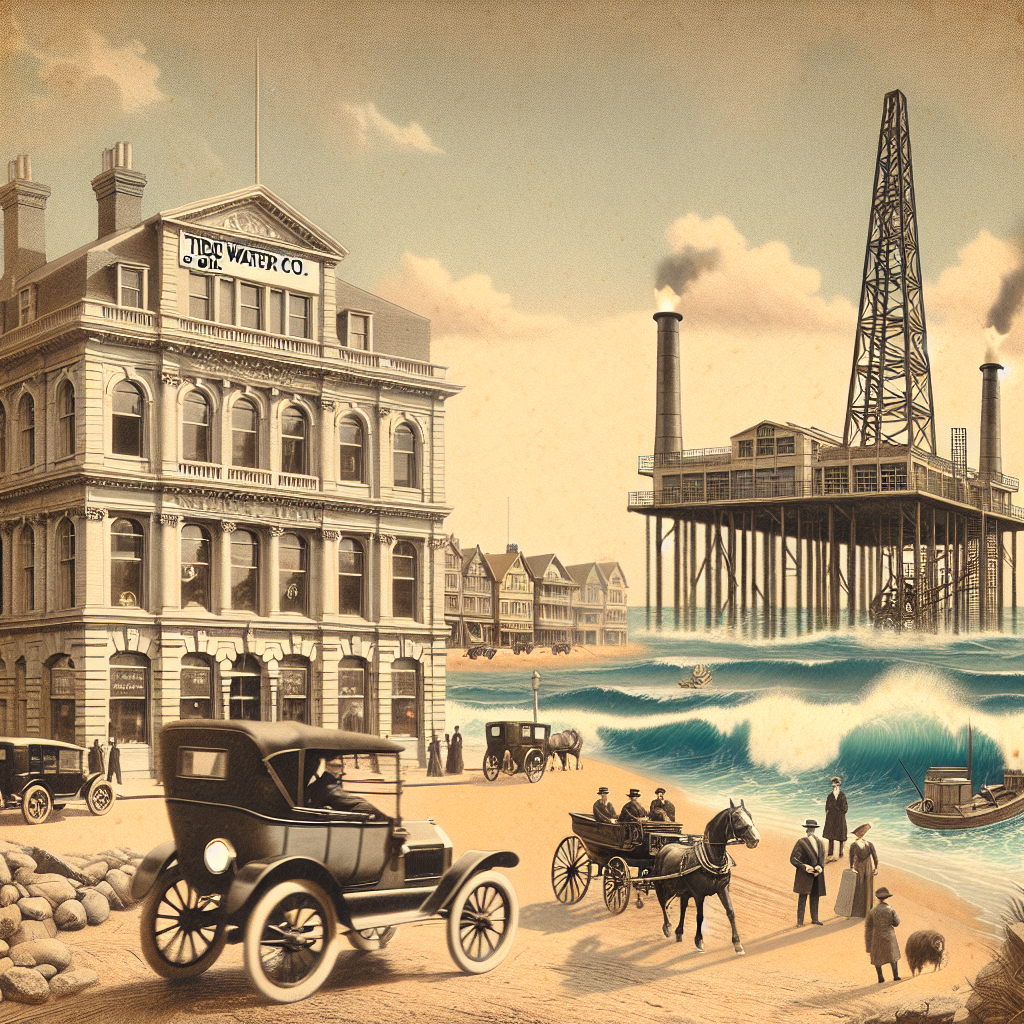
Oil prices experienced a significant surge on Monday, with a 9% rise following Iranian retaliatory attacks that disrupted crucial shipping in the Strait of Hormuz. These developments came in the wake of weekend bombings by Israel and the U.S., which resulted in the death of Iranian Supreme Leader Ali Khamenei.
The increase in oil prices could have far-reaching implications for the global economic recovery, potentially spurring inflation and consequently driving up retail gasoline prices in the United States. Such an outcome could present a political risk for President Donald Trump as midterm elections loomed near.
Brent crude peaked at $82.37 per barrel, its highest since January 2025, while U.S. West Texas Intermediate reached $75.33. Analysts remain cautious about the situation, with geopolitical concerns weighing heavily on market dynamics. The continued uncertainty in the Middle East could significantly influence future oil supply and pricing.
ALSO READ
-
Lee Jae Myung's Diplomatic Milestones: Balancing Amidst Global Tensions
-
Asian Stocks Surge Amid Global Inflation Concerns
-
South Korean Stance on Middle East Conflict
-
US Approves Potential Sale of F-35 Jets to Saudi Arabia, Shifting Middle Eastern Power Dynamics
-
Asian Markets Rally Amidst Global Inflation Concerns


 Google News