

Aluminium's Vital Passage: How the Strait of Hormuz Impacts Global Supply
The Strait of Hormuz, beyond its role in global oil and gas trade, is crucial for aluminium exports from the Gulf. With escalating tensions in the region, the aluminium market faces supply disruptions, risking significant impacts on Western industries that depend on this critical metal.
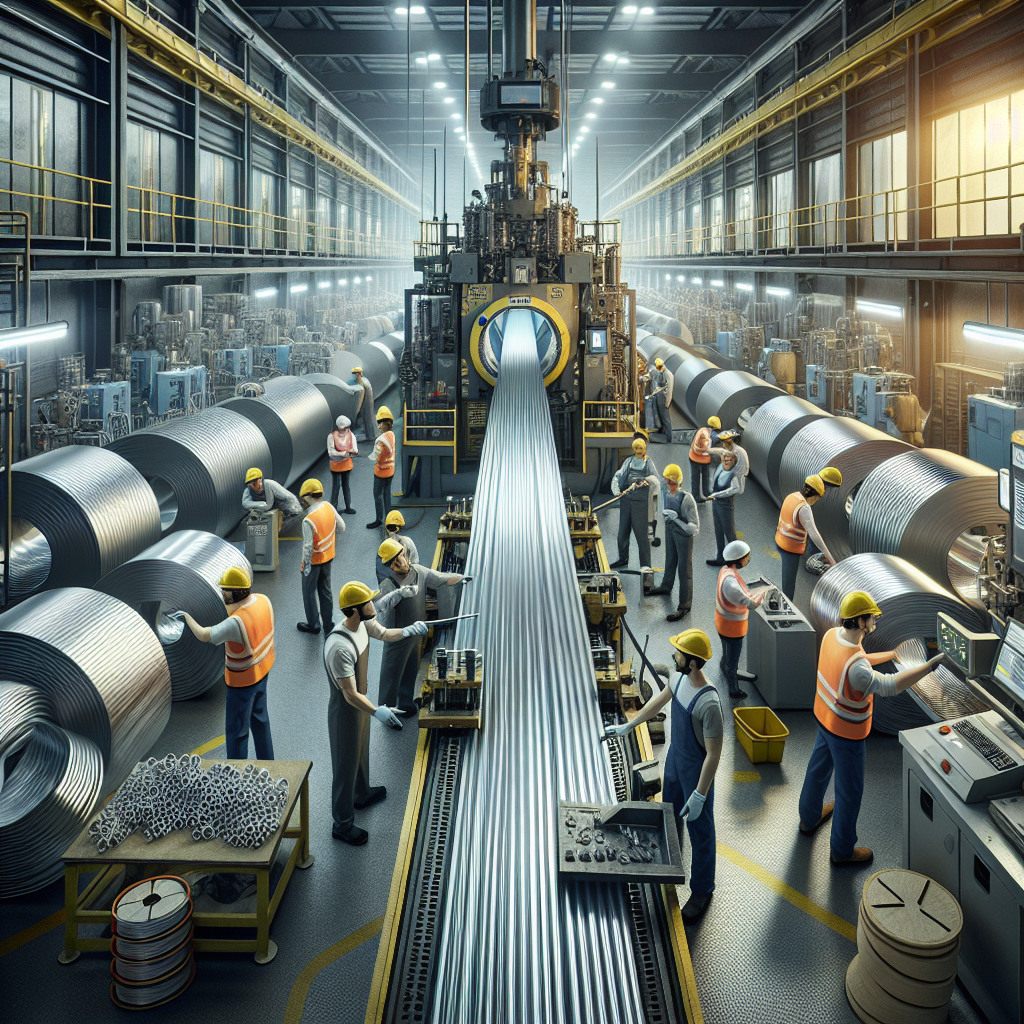
The Strait of Hormuz, traditionally a focal point for oil and gas shipments, is now a crucial conduit for aluminium, a metal essential to global industry. With mounting regional tensions, threats to this vital supply chain loom large.
Annually, over 5 million metric tons of aluminium are shipped through the Strait, sourced from countries like Bahrain, Qatar, Saudi Arabia, and the UAE. Despite not being directly targeted, disruptions threaten industries in these nations, with Qatar Aluminium facing potential closure due to energy constraints.
As alternative sources like Russian aluminium are phased out due to sanctions, the Gulf's role has become indispensable for Western manufacturers. A prolonged blockade of the Strait could spell widespread supply crises, pushing aluminium prices to near-record highs and straining Western supply lines further.
ALSO READ
-
Food Price Shock Could Push 11.7 Million More Women and Girls Into Hunger in 2026
-
South Korean Stance on Middle East Conflict
-
Middle East Tensions Threaten Global Oil Supplies
-
Tanker Trouble: Togo Vessel's Fiery Halt in Hormuz
-
Security Incident in the Strait of Hormuz Highlights Maritime Safety Concerns


 Google News