

World Bank Flags Downside Risks to India's Growth Projection
The World Bank highlights potential downside risks to India's projected growth rate of 6.6% for the fiscal year 2026/27. Despite these risks, robust foreign exchange reserves and a strong banking system may help to mitigate them. The World Bank also notes that retail inflation is expected to reach 4.9% this fiscal year, driven by increased food and energy prices and exchange rate pressures.
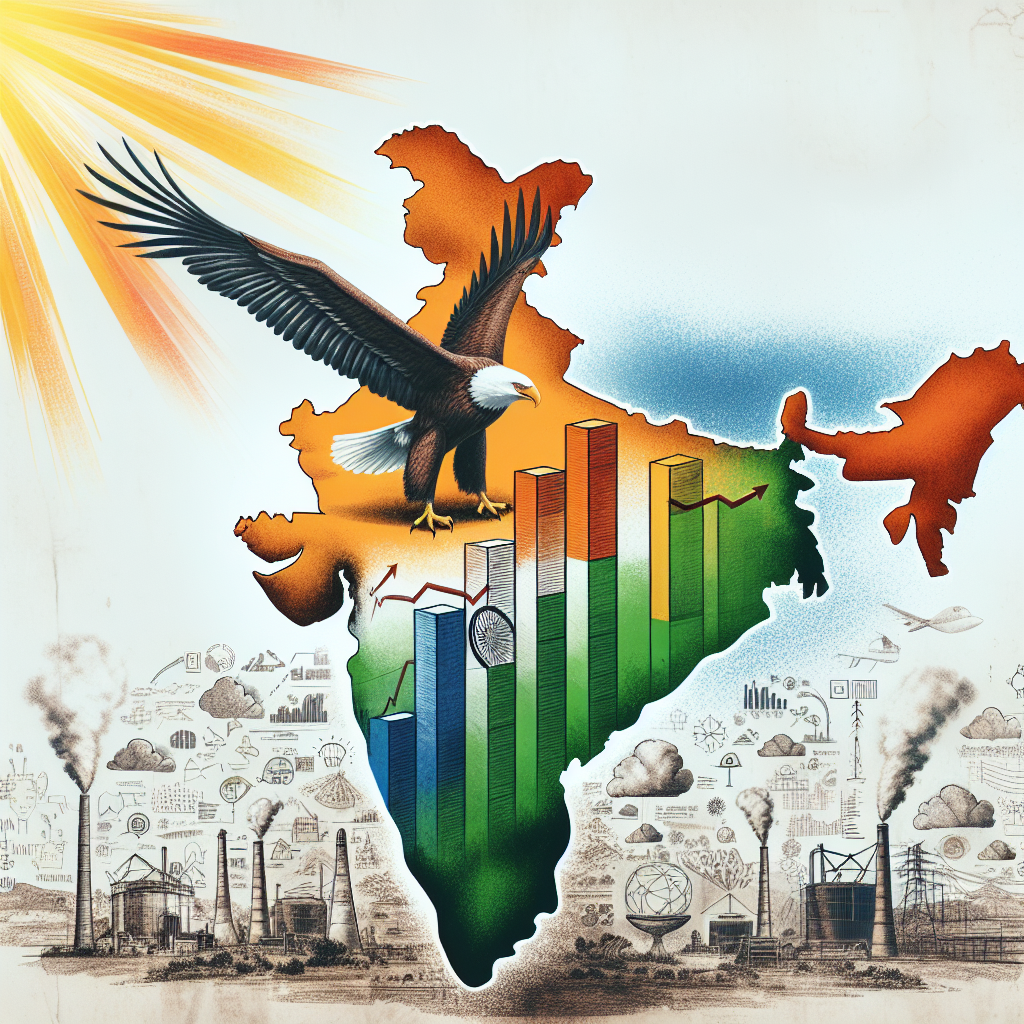
The World Bank has raised concerns about potential downside risks to India's anticipated growth rate of 6.6% for the fiscal year 2026/27. These concerns emerge despite the country's substantial foreign exchange reserves and a well-capitalized banking system, both of which could serve to alleviate economic pressures.
Retail inflation in India is expected to hit 4.9% for the ongoing fiscal year. This spike is attributed to escalating food and energy prices coupled with exchange rate depreciation pressures, highlighted by the World Bank's India Economist, Aurelien Kruse.
The World Bank's statements come as India navigates fiscal challenges in a volatile global economic landscape. The nation's fiscal year operates from April to March.
ALSO READ
-
World Bank Backs Serbia’s Gas Network With $600M for Decade of Energy Upgrades
-
World Bank Backs Türkiye’s Farmers With $750 M to Boost Rural Jobs and Growth
-
Machine Learning Reveals Why Women’s Agency Measures Must Reflect Local Realities in Tunisia
-
Malawi’s Fragile Recovery Faces Jobs Test; Debt and State Firms Strain Economy
-
Ethiopia’s Justice Paradox: Fast Courts Face Staffing, Digital and Access Gaps as Cases Rise


 Google News