

WHO Issues New Guidance to Help Countries Prioritize Resources for Ending TB
The guidance arrives at a critical time, as global funding gaps threaten progress against one of the world’s deadliest infectious diseases.
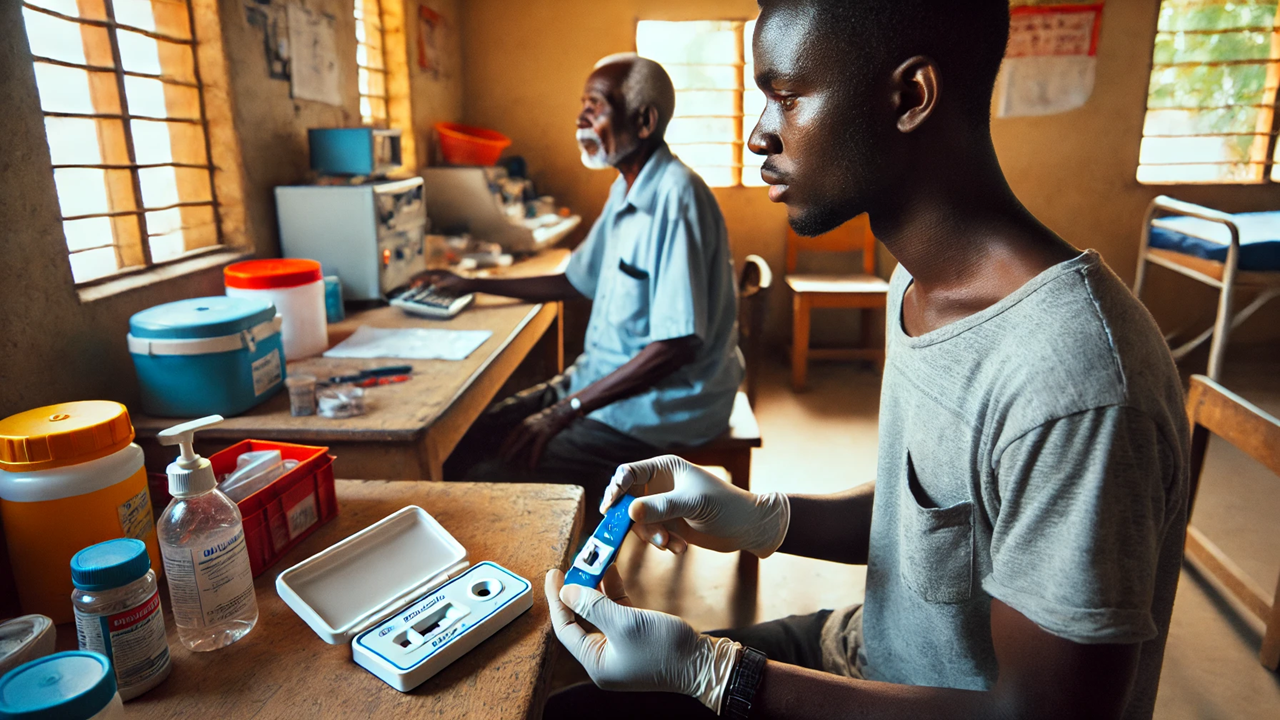
The World Health Organization (WHO) has released a major new policy brief designed to help national tuberculosis (TB) programmes make smarter, more strategic decisions about where to focus their efforts and how to allocate scarce resources. The guidance arrives at a critical time, as global funding gaps threaten progress against one of the world's deadliest infectious diseases.
The new brief sets out a structured, people-centred, and evidence-based approach to priority setting, anchored in four core principles: transparency, inclusion, evidence-informed decision-making, and accountability. Together, these principles aim to help countries strengthen their TB responses by ensuring that investments target interventions with the highest impact.
"Effective priority-setting is not a one-off exercise – it is the compass that guides countries through changing epidemics, shifting resources and evolving health systems," said Dr Tereza Kasaeva, Director of WHO's Department for HIV, Tuberculosis, Hepatitis and STIs. "With this policy brief, we are equipping national TB programmes with the tools to steer their efforts with evidence, equity and impact."
Supporting Smarter Planning in the Face of Funding Shortfalls
The guidance also addresses one of the greatest challenges facing TB programmes: unexpected funding cuts. Global investments in TB fell to US$ 5.9 billion in 2024, only 27% of the US$ 22 billion needed annually by 2027 to meet international targets set at the 2023 UN High-Level Meeting on TB.
This growing financial gap poses a serious threat to hard-won progress. WHO warns that projected donor reductions from 2025 onward could have catastrophic consequences. Modelling studies indicate that long-term funding cuts could lead to:
-
Up to 2 million additional deaths from TB between 2025 and 2035
-
10 million additional people falling ill with the disease over the same period
These projections highlight the urgent need for smarter, more efficient planning to protect essential TB services.
Safeguarding High-Impact Interventions
The WHO brief outlines several strategies to help countries maintain critical TB services even when funds are limited. These include:
-
Integrating TB care more fully into primary health care systems, reducing duplication and improving patient access
-
Prioritizing high-impact, life-saving interventions, such as early diagnosis, treatment of drug-resistant TB, and preventive therapy
-
Increasing programme efficiency through streamlined service delivery, improved supply chain management, and prioritization based on local epidemiology
-
Strengthening monitoring and evaluation for better-informed decision-making
The brief positions prioritization not as a cost-cutting exercise, but as a tool to ensure that every dollar spent delivers maximum health impact.
Prioritization as a Cornerstone of Strong TB Programmes
WHO emphasizes that prioritization is fundamental to good health planning. When done well, it guides the mobilization of resources, improves programme efficiency, and ensures that TB services remain sustainable—even during financial crises or shifting health priorities.
For countries struggling with competing epidemics, workforce shortages, or health system reforms, a clear prioritization framework helps maintain focus on the most essential interventions and communities most at risk.
Global TB Burden Remains Alarming
Despite significant advances in diagnostics, prevention, and treatment, TB remains one of the world's deadliest infectious diseases. Millions of people still fall ill every year, and drug-resistant TB continues to spread.
WHO stresses that maintaining and strengthening TB programmes is essential if countries are to reach global targets and avoid reversing past progress. With funding under strain, carefully designed national strategies will be vital.
WHO to Support Countries Through Peer Learning
To help countries implement the new framework, WHO will facilitate peer-learning exchanges, technical consultations, and the documentation of good practices in TB programme planning. This support aims to help countries share lessons, standardize effective approaches, and build capacity for long-term, sustainable TB control.
As the global health community works toward the goal of ending the TB epidemic, WHO's new policy brief underscores the need for strategic action, coordinated planning, and robust investment. Without these elements, the world risks losing ground against a disease that remains both preventable and curable.
ALSO READ
-
World Leaders Push for Fairer Pandemic Protection as COVID’s Heavy Toll Drives Action
-
WHO Sets 2027 Southern Hemisphere Flu Vaccine Formula as Viruses Shape Risks
-
WHO Expands Quality Checks for Contraceptives and AI Tools That Help Spot Tuberculosis
-
WHO Brings Global Experts Together to Strengthen Herbal Medicine Quality and Safety
-
IAEA Joins Forces With Six Industry Partners to Close Global Cancer Care Divide


 Google News