

HRCP's 2024 Report: Unveiling Pakistan's Human Rights Crisis
The Human Rights Commission of Pakistan's 2024 report highlights a downturn in democratic practices, increased violence in Khyber Pakhtunkhwa, and ongoing human rights abuses. Despite some improvements in women's electoral participation, issues such as enforced disappearances, vigilantism, and child protection deficiencies persist, culminating in a severe public health crisis.
- Country:
- Pakistan
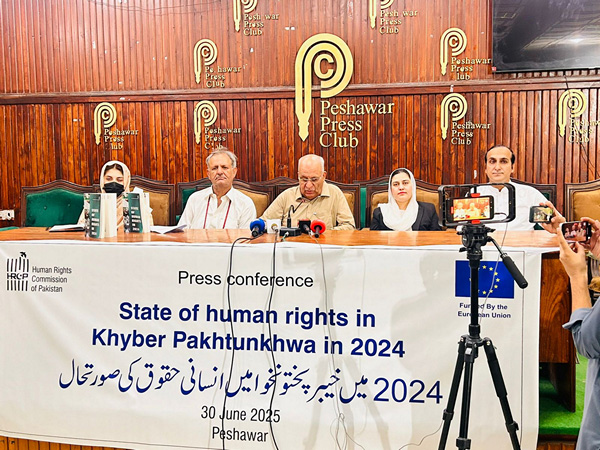
The Human Rights Commission of Pakistan (HRCP) has shed light on the dire state of human rights within the nation through its 2024 annual report, unveiled at a press conference. The report underscores a worrying erosion of democratic values, fueled by skepticism regarding election legitimacy and a fragile parliamentary system.
Violence has surged dramatically in Khyber Pakhtunkhwa, with militants causing significant casualties among civilians and security forces. In Kurram, sectarian clashes have resulted in nearly 250 fatalities, igniting humanitarian concerns amid prolonged road blockades. The report additionally notes a notable increase in women's political participation, offering a glimmer of progress in an otherwise challenging landscape.
The report details alarming issues of vigilantism, with the lynching of a tourist in Swat following a blasphemy accusation underlining a troubling increase. Furthermore, the HRCP highlights the restriction of civic spaces, citing the ban on the Pashtun Tahafuz Movement and at least 105 enforced disappearances. While some mobility improvements were seen, other significant social and political challenges persist, including labor rights violations and severe environmental degradation.
ALSO READ
-
Malaysia’s Return of 1,476 People to Myanmar Raises UNHCR Fears Over Their Safety
-
UN Experts Warn Racism Follows African Migrants Through Dangerous Global Journeys
-
Colombia’s Former Enemies Join Search for Disappeared as UN Praises Victim Justice
-
US Migrant Transfer Deals Put Thousands at Risk of Torture and Abuse, Experts Warn
-
Century After Slavery Convention, Millions Still Wait for Freedom and Justice


 Google News