



AI cannot be patent 'inventor', UK Supreme Court rules in landmark case
Thaler earlier this year lost a similar bid in the United States, when the Supreme Court there declined to hear a challenge to the U.S. Patent and Trademark Office's refusal to issue patents for inventions created by his AI system.
- Country:
- United Kingdom
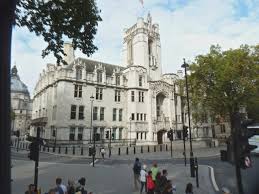
An American computer scientist on Wednesday lost his bid to register patents over inventions created by his artificial intelligence system, in a landmark case in Britain about whether AI can own patent rights. Stephen Thaler wanted to be granted two patents in the UK over inventions he says were devised by his "creativity machine" called DABUS.
His attempt to register the patents was refused by Britain's Intellectual Property Office on the grounds that the inventor must be a human or a company, rather than a machine. Thaler appealed to the UK's Supreme Court, which on Wednesday unanimously rejected his appeal.
Judge David Kitchin, announcing the court's ruling, said that under UK patent law "an inventor must be a natural person". Thaler earlier this year lost a similar bid in the United States, when the Supreme Court there declined to hear a challenge to the U.S. Patent and Trademark Office's refusal to issue patents for inventions created by his AI system.
(This story has not been edited by Devdiscourse staff and is auto-generated from a syndicated feed.)
ALSO READ
Tragic Bus Crash Claims Lives on Guatemala's Inter-American Highway
Unnao Rape Survivor's Family Challenges CBI Amid Supreme Court Appeal
Supreme Court Quashes Conviction: Couple Marries Amidst Legal Battle
Supreme Court's Transformative Year: Verdicts, Scandals, and Judicial Reforms
Battle to Preserve Aravalli: Environmentalists Challenge Supreme Court's Mining Ruling


 Google News