

Market Volatility and Trade Backdrop: Navigating the U.S.-China Tariff Tussle
U.S. stocks dropped after President Trump's decision to pause tariffs offered only brief market relief. Despite this pause, increased tariffs on China persisted, with global markets reacting to the ongoing trade tensions. Uncertainty remains as negotiations continue with multiple countries aiming to avoid escalating trade conflicts.
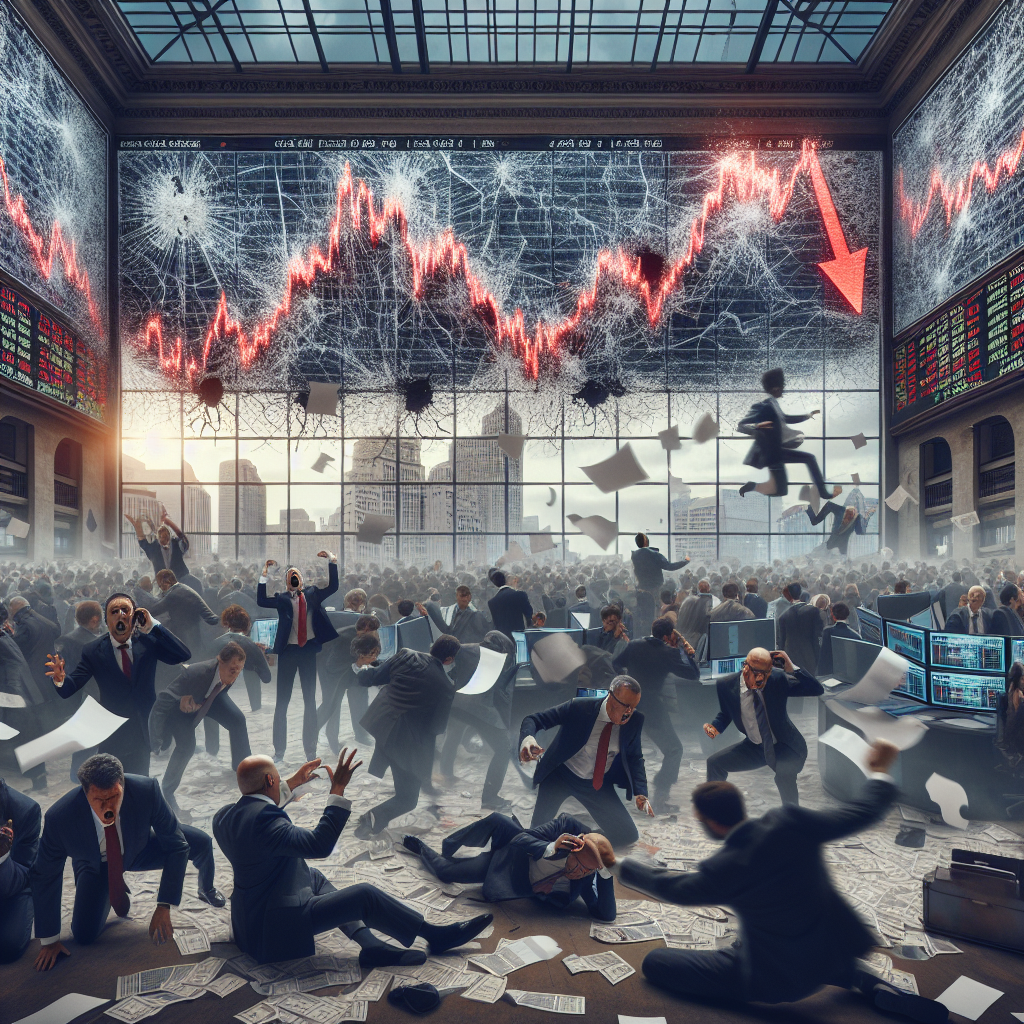
U.S. stock markets took a hit as President Trump's decision to temporarily freeze tariffs on certain countries was only a momentary reprieve for investors. The S&P 500, Nasdaq, and Dow Jones began to decline again, reflecting an enduring global unease surrounding Trump's trade war policies, notably with China.
Trump's sudden reversal offered a 90-day halt on newly imposed tariffs, which led to a temporary rally in global markets. Despite this, China faced increased tariffs, heightening tensions as negotiations aimed at resolution continued with other affected nations like Vietnam and Japan.
Central banks expressed caution with ongoing market volatility, especially as oil prices fell and recession fears loomed. While some industries, such as the French wine sector, welcomed the tariff pause, many expressed concerns over the ongoing pressures and potential economic repercussions resulting from enduring trade uncertainties.
ALSO READ
-
EU Firms Rethink Supply Chains as Geopolitical Risks Reshape Global Trade
-
Trade War Chessboard: Agriculture, Energy, and Rare Earths in Focus
-
High-Stakes Diplomatic Dance: Trump and Xi's Crucial Summit
-
Trump and Xi Set for High-Stakes Summit: Trade, Taiwan, and Technology in Focus
-
US Tariff Announcement Delay Amidst Xi-Trump Summit


 Google News