

India's Strategic Revamp of Indus Water Treaty to Secure River Resources
India plans a study to fully utilize water from the Indus rivers, previously allocated to Pakistan under the Indus Water Treaty. Following a high-level meeting led by Amit Shah, strategies will ensure water control, despite current infrastructure challenges. Pakistan views this as a hostile act.
- Country:
- India
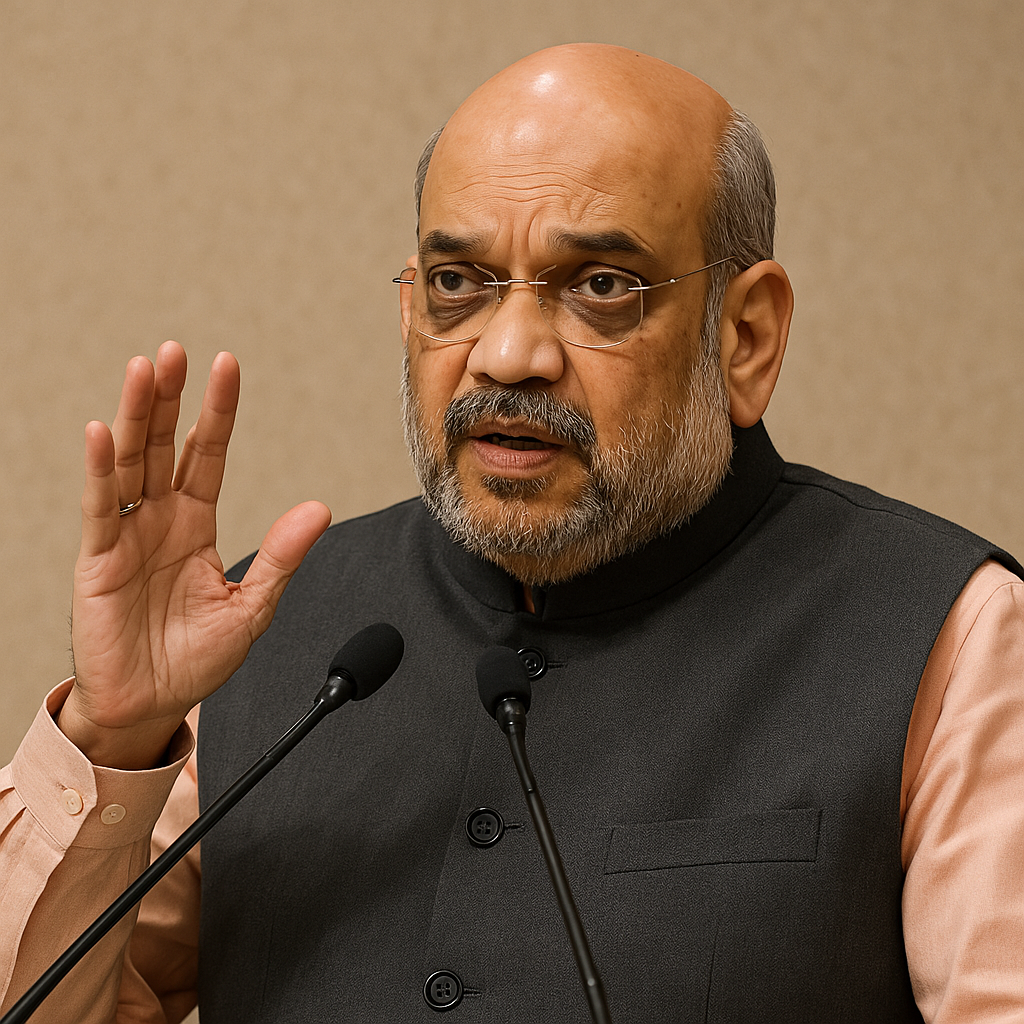
The Indian government is pursuing a comprehensive study to maximize the utilization of water from rivers that had traditionally flowed into Pakistan under the Indus Water Treaty. This decision follows a pivotal meeting led by Home Minister Amit Shah, reflecting a strategic shift to optimize river resources.
The Indus Waters Treaty, brokered by the World Bank in 1960, allocated the waters of the eastern rivers exclusively to India, while the western rivers primarily benefited Pakistan. With the treaty's status now uncertain, India is poised to redesign access to the western rivers' waters, as senior officials craft a long-term water management strategy.
Despite legal constraints, Indian officials emphasize the need for infrastructure development to redirect water flows, a task expected to take several years. This initiative has led to strong reactions from Pakistan, interpreting the move as a provocative act, reflecting the geopolitical tensions in the region.


 Google News