

Stagnation in Pakistan: Poverty Reduction Efforts Hit a Wall
Pakistan's poverty reduction has stalled due to economic shocks and lack of reforms, with poverty rising from 22% in 2019 to 25% in 2024. Despite past gains from urbanization, recent adversities like COVID-19, global inflation, and natural disasters have hindered progress, leaving many vulnerable just above the poverty line.
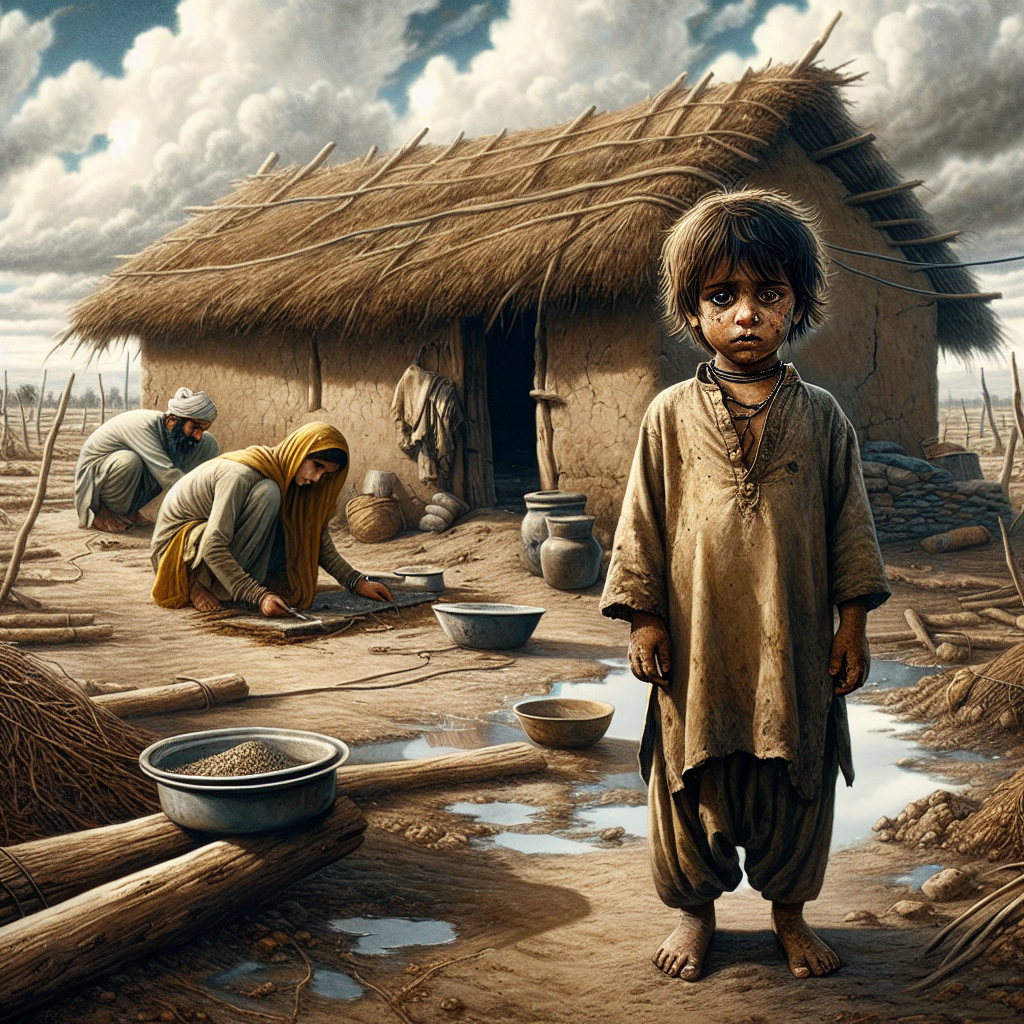
The World Bank has highlighted a concerning stagnation in Pakistan's poverty reduction efforts, once hailed for their rapid progress. The nation's poverty rate, which decreased from 64% in 2001 to 22% in 2019 with the aid of urbanization, has crept up to 25% as of 2024.
The institution attributes this regression to significant economic disruptions, including the COVID-19 pandemic, global inflation triggered by the Ukraine conflict, and a series of catastrophic floods. These events have exposed underlying weaknesses in the country's economic infrastructure, such as low productivity in vital sectors, inadequate public services, and insufficient education and training opportunities.
Khurram Schehzad, adviser to the finance minister, acknowledges these setbacks but emphasizes that the government is responding with extended welfare initiatives and job creation investments. Schehzad asserts that a comprehensive reform agenda is key to protecting vulnerable groups and ensuring sustainable poverty reduction.
ALSO READ
-
Japan-Backed ILO Projects Help 23,000 Workers Gain Rights and Fight Child Labour
-
Afghan Lives and Medical Dreams at Risk: UN Urges Pakistan to Halt Forced Returns
-
Supreme Court Grants Bail to Imaan Mazari: A Victory for Justice
-
Pakistan Enacts Austerity Amid Fuel Price Surge
-
Pakistan's Austerity Drive Amid Gulf Conflict


 Google News