

Borders and Recognition: The Complex Path to Palestinian Sovereignty
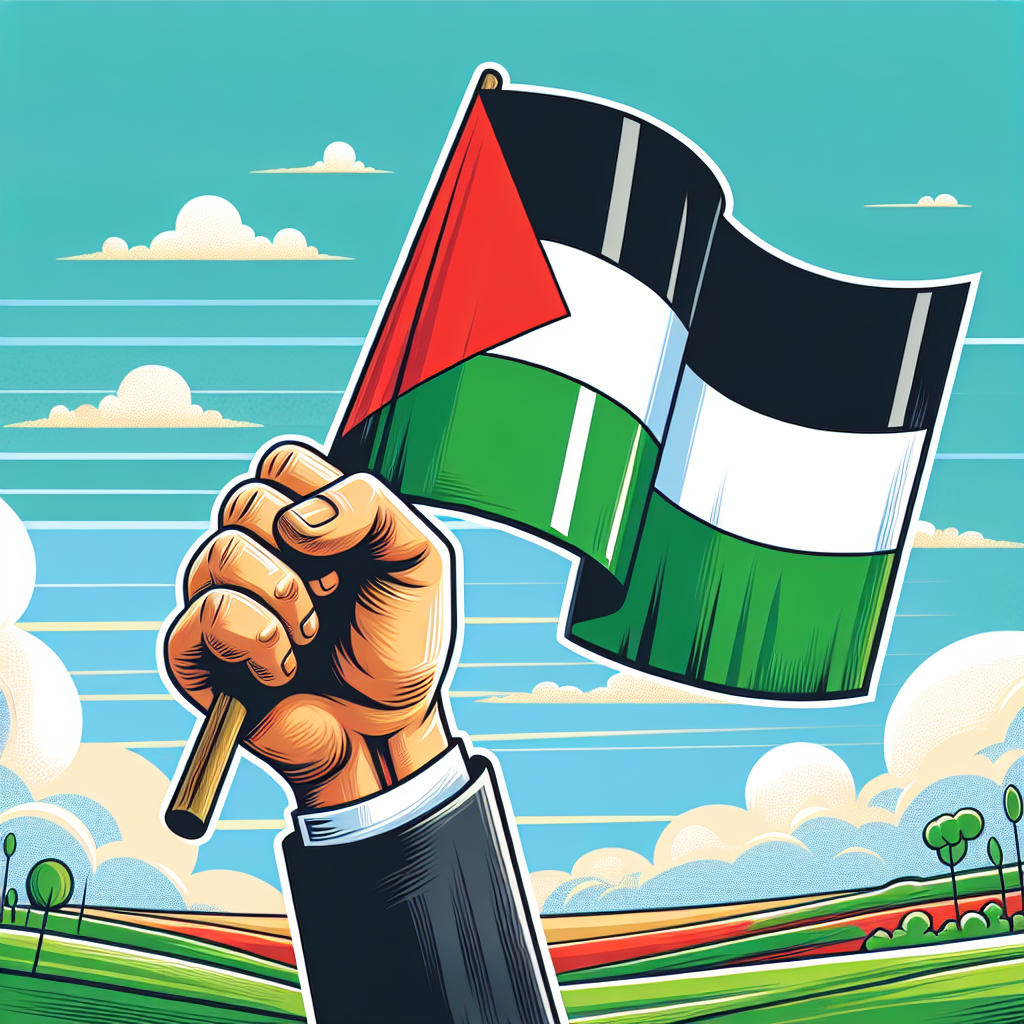
The recognition of Palestinian sovereignty is a significant diplomatic milestone, but the borders remain highly contested. Israeli settlements, which have significantly expanded over recent years, complicate the establishment of a viable Palestinian state. Diplomatic recognition risks becoming symbolic unless genuine conditions for statehood are created.
- Country:
- United Kingdom
The global recognition of Palestinian statehood marks a historic diplomatic milestone. However, the fiercely contested borders remain a significant hurdle. Despite this, the surge in Israeli settlements complicates the establishment of a viable Palestinian state.
Since 1967, Israeli settlements have expanded, fragmenting Palestinian territory and increasing political violence. The recent E1 project exemplifies this by potentially splitting the West Bank. Israeli moves could choke the main road, fostering insecurity and undermining Palestinian nationhood.
Recognition must transcend symbolism, addressing settlement expansions that inflame conflict. The focus is on establishing genuine conditions for Palestinian statehood to ensure political and economic stability, benefiting both Palestinian and Israeli security interests.
ALSO READ
-
UN Lists 214 Companies Linked to Israeli Settlements, Urges Action on Human Rights
-
UN Experts See UK Settlement Curbs as Turning Point, Urge Action Over Occupation
-
Diplomatic Dynamics: US Greenlights Iranian Delegation for UN Visit Amid Conflict
-
UN Assembly Allows Abbas Virtual Address Amid US Visa Row
-
Canada's Sovereign Choices Amid EU Ties Controversy


 Google News