

UN Experts Urge Indonesia to Recognize Indigenous Peoples and End Rights Abuses
“We call on Indonesia to formally recognise Indigenous Peoples and engage them as vital partners in shaping inclusive, sustainable, and rights-based national development,” the experts said.
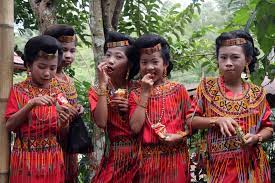
A group of United Nations human rights experts has voiced grave concern over the Indonesian Government's persistent refusal to recognize Indigenous Peoples, warning that ongoing systemic discrimination, land dispossession, and violence amount to severe human rights violations and threaten the survival of Indigenous communities across the country.
Despite voting in favor of the UN Declaration on the Rights of Indigenous Peoples (UNDRIP) in 2007, Indonesia continues to deny formal legal recognition to groups identifying as Indigenous, undermining their fundamental rights to land, self-determination, cultural preservation, and participation in decisions affecting their lives.
"We call on Indonesia to formally recognise Indigenous Peoples and engage them as vital partners in shaping inclusive, sustainable, and rights-based national development," the experts said. "Recognizing diversity and allowing every group to flourish in a democratic spirit does not lead to conflict—it prevents it."
Lack of Recognition and Erosion of Indigenous Governance
The experts highlighted that Indonesia's refusal to recognize Indigenous identity effectively invalidates the rights of more than 50 million people belonging to Indigenous communities, collectively known as "Masyarakat Adat". Without legal status, these groups are often excluded from land registration systems, leaving their ancestral territories vulnerable to land grabs and industrial exploitation.
Particular concern was raised about the revised Special Autonomy Law for Papua, which the experts said centralizes authority in Jakarta, erodes local Indigenous governance, and intensifies poverty, persecution, and forced displacement among Papuan Indigenous Peoples. For decades, Papua's Indigenous communities have faced militarization, environmental degradation, and cultural marginalization in their resource-rich territories.
Transmigration Policy Threatens Cultural Survival
The experts condemned the revival of Indonesia's colonial-era transmigration program, which relocates populations from densely populated islands such as Java to less-populated regions including West Papua and Kalimantan.
"This programme threatens the cultural survival of Indigenous Peoples by accelerating demographic shifts and forced assimilation," the experts warned. "It reduces Indigenous control over ancestral lands and undermines traditional governance systems."
Human rights groups have long argued that transmigration facilitates land dispossession and demographic dilution, fueling tensions between newcomers and Indigenous inhabitants, and weakening Indigenous cultural resilience.
Extractive and Infrastructure Projects Without Consent
The UN experts also criticized the implementation of National Strategic Projects (PSN) and large-scale extractive industries—including mining, palm oil plantations, and infrastructure corridors—carried out without the free, prior, and informed consent (FPIC) of Indigenous communities, as required under international law.
These projects, they noted, have resulted in widespread environmental destruction, deforestation, and pollution of sacred lands and waterways, while exposing Indigenous Peoples to climate change vulnerabilities and heightened militarization of their territories.
"Many Indigenous defenders and demonstrators face increasing repression and criminalisation, including arbitrary arrests, torture, and enforced disappearances," the experts said. "They are often stigmatized as 'terrorists' for defending their lands and rights."
Forced Displacement and Slow Cultural Erasure
Thousands of Indigenous families remain internally displaced due to government-backed development projects, resource extraction, and security operations. In regions such as Papua, Maluku, and Kalimantan, entire villages have been uprooted to make way for mining concessions, hydropower dams, and agribusiness plantations.
The experts warned that some Indigenous groups—especially Peoples in voluntary isolation—face "slow-phased extermination" as their lands are encroached upon and their traditional livelihoods are destroyed. Communities that have chosen to live apart from modern society are at risk of physical extinction and cultural collapse, the experts said.
Historical Context: Indigenous Rights in Indonesia
Indonesia's Constitution does acknowledge customary law communities (masyarakat hukum adat), but in practice, this recognition remains conditional and limited. The absence of a comprehensive Indigenous Peoples' law means that recognition depends on provincial or district-level regulations, which vary widely and are often overridden by corporate or state interests.
According to the Indigenous Peoples Alliance of the Archipelago (AMAN), more than 20 million hectares of customary lands have been taken over by industrial plantations, mining, and infrastructure projects. AMAN and other civil society organizations have for years urged Parliament to pass the Indigenous Peoples Bill (RUU Masyarakat Adat), stalled since 2012.
The experts said that unless Indonesia enacts a national framework guaranteeing Indigenous land tenure and representation, systemic marginalization will persist, contradicting the country's commitments under the UNDRIP and the International Covenant on Civil and Political Rights (ICCPR).
Human Rights and Environmental Consequences
Environmental defenders in Indonesia—many of them Indigenous—have faced harassment and violence for opposing destructive projects. According to rights monitors, dozens of Indigenous activists have been detained or attacked in recent years for protesting illegal logging, mining, or state-led development initiatives.
Indonesia's deforestation rates, driven by palm oil and mining, continue to rank among the highest globally, further threatening Indigenous communities whose livelihoods depend on forests, rivers, and biodiversity. The destruction of traditional lands has also worsened climate change impacts, including flooding, drought, and loss of food security.
UN Calls for Dialogue, Protection, and Reform
The UN experts urged Indonesia to:
-
Formally recognize Indigenous Peoples as distinct communities with collective rights.
-
Adopt and implement the long-pending Indigenous Peoples Bill.
-
Guarantee free, prior, and informed consent for all projects affecting Indigenous lands.
-
End criminalization of Indigenous leaders and defenders.
-
Conduct independent investigations into alleged human rights violations and ensure justice and reparations for victims.
"The physical and cultural survival of Indonesia's Indigenous Peoples is at grave risk," the experts warned. "We urge the Government to engage constructively with Indigenous communities as equal partners in development, not as obstacles to progress."
They confirmed they are in contact with Indonesian authorities regarding these concerns and expressed readiness to support dialogue toward reform.
A Critical Test for Indonesia's Democracy
The experts concluded that Indonesia's treatment of its Indigenous Peoples will serve as a litmus test for its democratic values and human rights commitments. Formal recognition and protection of Indigenous rights, they said, are not only legal obligations but also essential for sustainable peace, environmental protection, and inclusive national development.
As global attention turns to the intersection of climate justice and Indigenous rights, the UN's call puts renewed pressure on Indonesia to bridge the gap between international promises and domestic realities—before its Indigenous cultures, lands, and identities are lost forever.
ALSO READ
-
UN Expert Urges Malaysia to Halt Myanmar Returns as Refugees Face War and Violence
-
Longer Lives, Unequal Care: UN Report Exposes Gaps in Support for Older People Globally
-
ADB Backs Indonesia With $650 Million to Expand Markets and Safer Digital Finance
-
Indonesian Employers Seek a Stronger Voice in OECD Reforms on Jobs, Skills and Business
-
Century After Slavery Convention, Millions Still Wait for Freedom and Justice


 Google News