

UN Expert Urges U.S. to End Sanctions on Cuba as Humanitarian Impact Deepens
“The restrictions are suffocating the social fabric of Cuban society,” Douhan said, emphasizing the breadth of their impact.
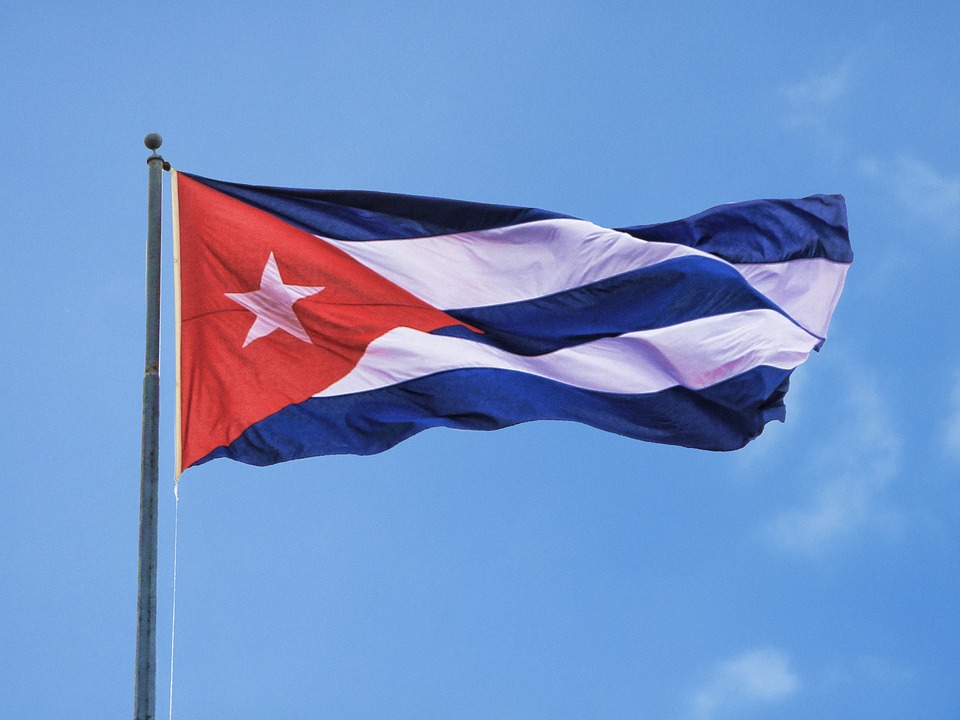
The United Nations Special Rapporteur on the negative impact of unilateral coercive measures on human rights, Alena Douhan, has called on the United States to lift the decades-long economic sanctions imposed on Cuba, warning that the measures are creating widespread and severe consequences for nearly every aspect of life on the island.
At the conclusion of her official visit to Cuba, Douhan described the U.S. embargo—which has been in place for more than 60 years—as one of the longest-running unilateral sanctions regimes in modern international relations. She stressed that the cumulative effects of these restrictions have shaped Cuba's economic and social development for generations.
Sanctions Intensified in Recent Years
According to Douhan, the sanctions regime has grown progressively harsher. New layers of restrictions were imposed after 2018, with a significant tightening of measures following the United States' 2021 re-designation of Cuba as a State Sponsor of Terrorism.
These added restrictions, combined with global "de-risking" practices and over-compliance by foreign banks, companies, and shipping firms, have increased the economic isolation of Cuba. As a result, both public institutions and citizens have seen their ability to engage in long-term planning severely constrained.
"The restrictions are suffocating the social fabric of Cuban society," Douhan said, emphasizing the breadth of their impact.
A Devastating Impact on Daily Life
Douhan reported widespread shortages affecting essential services and the population at large. Among the most damaging consequences are severe deficits in:
-
Medicine and medical equipment
-
Food and agricultural inputs
-
Fuel and electricity
-
Water and sanitation infrastructure
-
Machinery and spare parts
These shortages, she warned, directly undermine the Cuban people's rights to health, food, life, education, and development.
Additionally, the continued difficulty of obtaining supplies and maintaining infrastructure has contributed to the emigration of skilled workers, including doctors, teachers, engineers, and researchers, further weakening crucial public services.
The Blockade's Global Chilling Effect
Douhan stressed that not only the embargo itself but also the fear of penalties—particularly high fines imposed on companies that violate U.S. sanctions—discourage foreign businesses from working with Cuba. Even when exemptions or licenses exist, companies often avoid doing business with Cuba due to the risk of future policy changes in Washington.
This climate of uncertainty disrupts social and economic initiatives. Procurement becomes unpredictable, contracts are often canceled abruptly, and international aid projects face repeated delays. Such instability raises costs and undermines efforts to strengthen Cuba's development.
A Disconnect Between Global Consensus and U.S. Policy
The Special Rapporteur highlighted the overwhelming annual support at the UN General Assembly for the resolution titled "Necessity of ending the economic, commercial and financial embargo imposed by the United States of America against Cuba." The resolution consistently receives near-unanimous backing from Member States.
Despite this global consensus, she noted, the embargo not only remains in place but has in several respects worsened in its impact.
Extensive Consultations to Capture the Full Picture
During her visit, Douhan met with:
-
Cuban government officials
-
UN agencies and diplomats
-
Civil society and NGOs
-
Church representatives
-
Academics and legal experts
-
Health professionals
-
Private sector representatives
She also received a record number of written submissions, reflecting widespread concern over the human rights implications of the sanctions. These contributions will inform her upcoming report.
A Call for International Law, Humanitarian Principles, and Dialogue
Douhan urged all states—and especially the United States—to prioritize international human rights obligations and ensure that humanitarian needs are fully respected. She emphasized that unilateral coercive measures should never undermine access to essential goods, services, or development.
"I urge all States to adhere to international law principles and norms and ensure that humanitarian concerns are fully respected, grounded in principles of mutual respect, solidarity, cooperation and multilateralism," she said.
Next Steps
Douhan will present a comprehensive report, including her findings and recommendations, to the UN Human Rights Council in September 2026. Her conclusions are expected to renew debate about the humanitarian, legal, and geopolitical implications of the U.S. embargo—an issue that continues to generate global concern.


 Google News