

Turmoil in Tanzania: Protests and Political Unrest
Intense political unrest grips Tanzania as police and soldiers are deployed in Dar es Salaam to prevent protests denouncing government actions during the recent elections. With claims of extrajudicial killings and a government crackdown on dissent, international scrutiny deepens amid calls for human rights investigations.
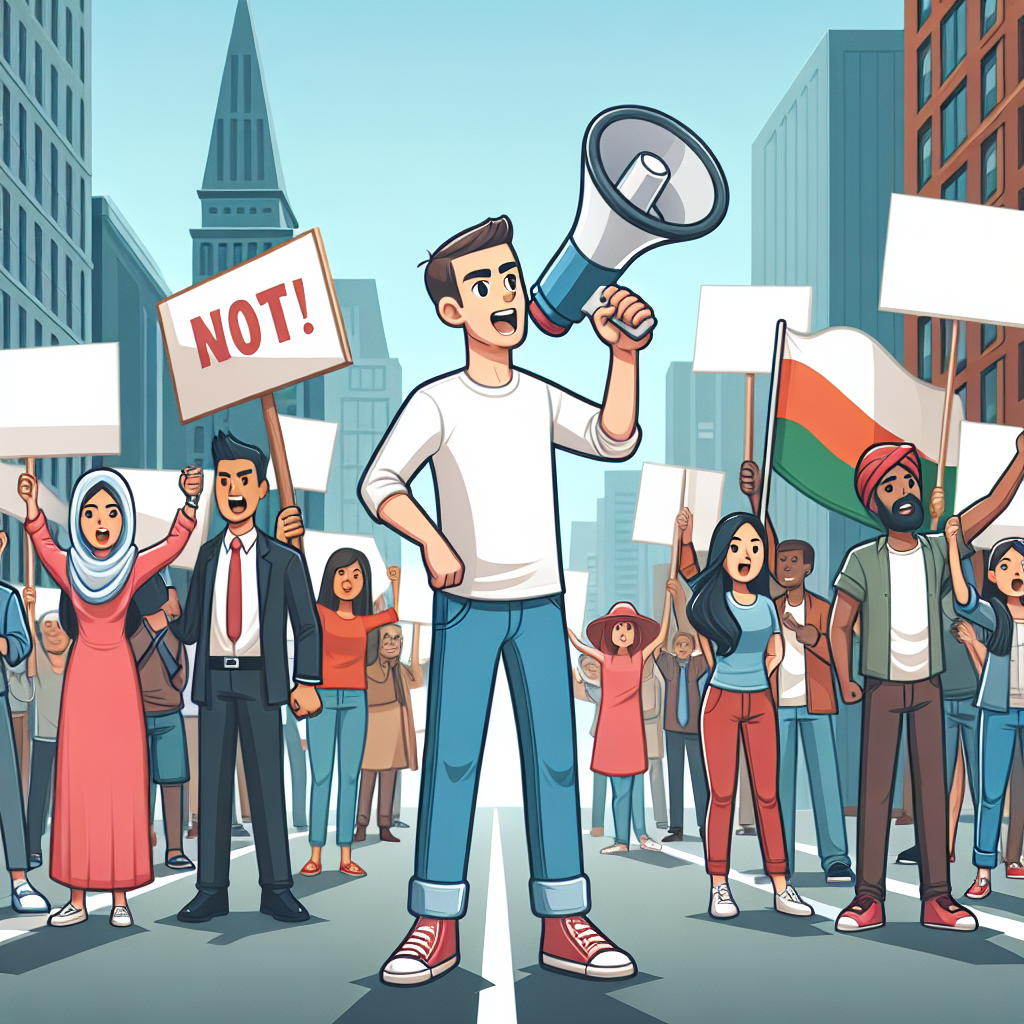
In Tanzania's commercial capital, Dar es Salaam, a heavy deployment of police and soldiers on Tuesday aimed to prevent protests called to condemn the violent suppression of electoral demonstrations in October. As the nation commemorates its independence, the government labeled the protests as an attempted coup, urging citizens to remain at home.
Following the October 29 presidential and parliamentary elections, which fueled unprecedented political violence, United Nations estimates suggest that the death toll reaches into the hundreds. Authorities have saturated key areas of the city, conducting identification checks on residents, as tension lingers despite claims of calm.
With international eyes focused on Tanzania, the U.S. reviews its relationship with the nation amid concerns over violence against civilians, religious freedoms, and curtailed free speech. Meanwhile, President Hassan, who won re-election amidst barred opposition, maintains that security forces acted appropriately, despite calls for transparency in investigating the election-related violence.
ALSO READ
-
Tanzania’s Growing Economy Puts Better Jobs at the Heart of Its Next Growth Chapter
-
Tanzania’s Young Talent Takes Centre Stage as Skills Competition Opens New Doors
-
Home Visits Linked to Better Timing of First Foods for HIV-Exposed Babies in Tanzania
-
Africa’s Engineers Unite in Tanzania to Shape a Smarter Sustainable Future
-
Zanzibar Heritage Plan Tests Tanzania–UNESCO Push for Sustainable Tourism and Development Goals


 Google News