

Iran's Tense Stand-off: Dialogue, Protests, and Global Showdowns
Iran maintains open communication with the U.S. amidst violent protests challenging its clerical rule. President Trump hints at possible military options while exploring diplomatic channels. The situation remains tense with widespread demonstrations, casualties, and international tensions involving nuclear negotiations and regional influence.
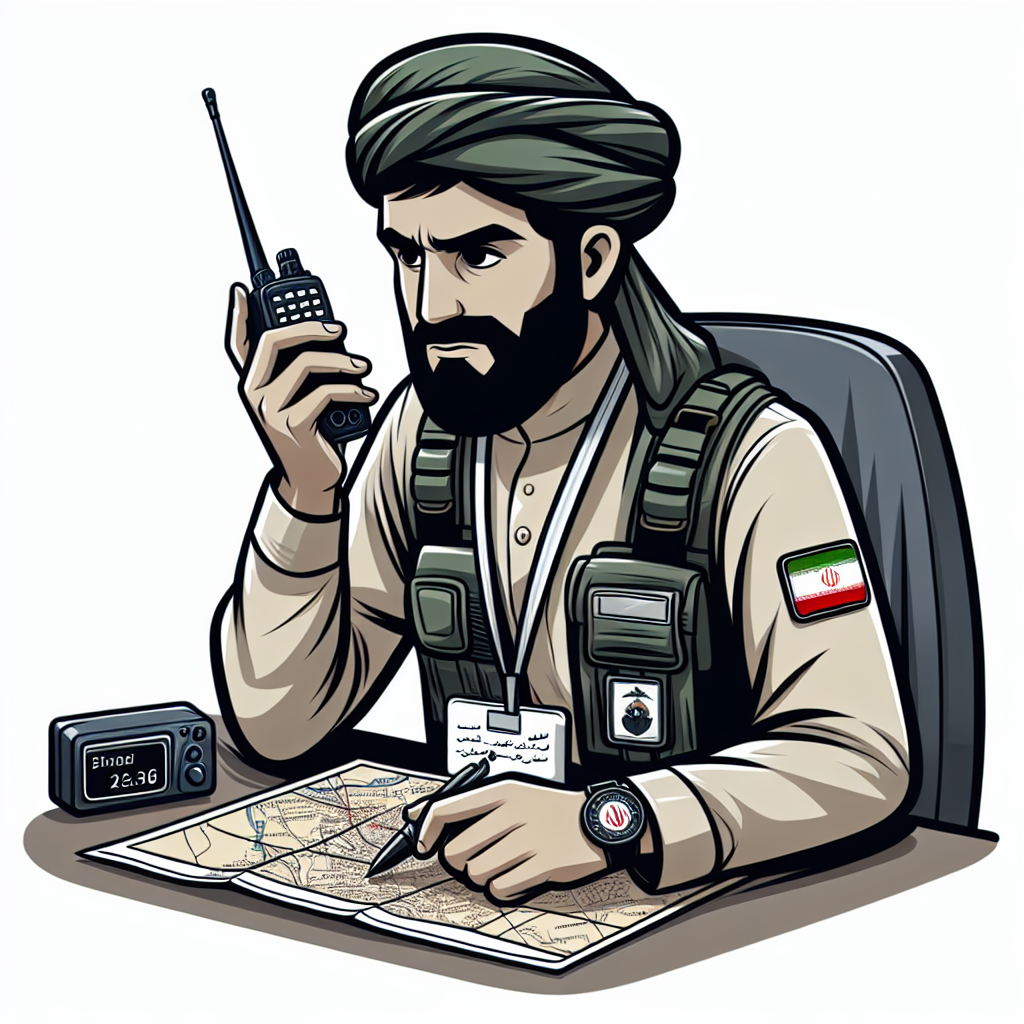
Iran announced on Monday that it remains in communication with the United States as President Donald Trump considers a response to the violent protests challenging the clerical rule since the 1979 Islamic Revolution. Trump has indicated potential meetings with Iranian officials while also considering military actions.
This wave of nationwide demonstrations, initially over economic troubles, has led to calls for the fall of the clerical establishment. Communication channels, including intermediaries like Switzerland, remain open, according to Iranian officials. However, contradictory messages from the U.S. have led to skepticism about their seriousness in negotiations.
As tensions persist, Iranian authorities accuse the U.S. and Israel of instigating unrest, promoting a nationwide rally against alleged terrorist actions. Protests have led to significant casualties, with over 500 reported dead. Despite efforts to control the situation, international attention remains focused on Iran as it grapples with internal and external pressures.
ALSO READ
-
Poverty in the Line of Fire: UN Experts Demand Iran End Border Courier Killings
-
Iran’s Civilians Trapped Between State Repression and Deadly Strikes, UN Warns
-
Lee Jae Myung's Diplomatic Milestones: Balancing Amidst Global Tensions
-
Hackers Compromise US-Bound Vessels: Security Breach in the Gulf of Mexico
-
Screwworm Resurgence Threatens U.S.-Mexico Livestock Trade


 Google News