

UN Torture Prevention Experts to Return to Mexico for Follow-Up Mission in January 2026
“We are there to examine the implementation and impact of our prior recommendations, to see what works in practice and what still needs to be improved,” said Carmen Comas-Mata, Head of the SPT delegation.
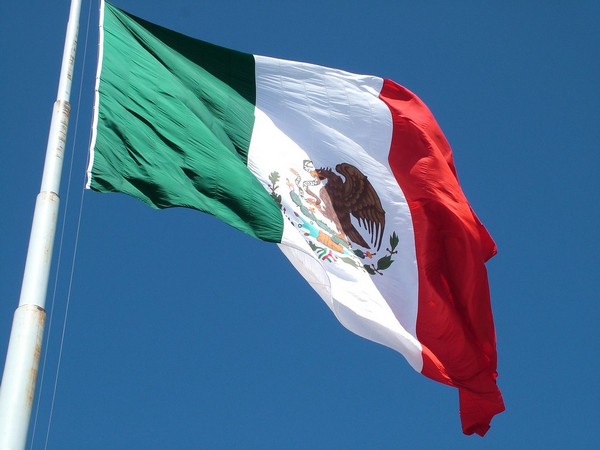
- Country:
- Mexico
United Nations torture prevention experts will return to Mexico from 25 to 30 January 2026 to assess steps taken by the country to strengthen safeguards against torture and ill-treatment, and to evaluate how those measures are impacting the protection of people deprived of their liberty.
The visit will be conducted by the UN Subcommittee on Prevention of Torture (SPT) and marks its third mission to Mexico, following earlier visits in 2008 and 2016. A planned visit in 2025 was postponed due to the United Nations liquidity crisis.
"We are there to examine the implementation and impact of our prior recommendations, to see what works in practice and what still needs to be improved," said Carmen Comas-Mata, Head of the SPT delegation.
Focus on Implementation and Impact
During the visit, the SPT delegation will inspect a range of places where people are, or may be, deprived of their liberty. As in previous missions, the experts will conduct confidential interviews with detainees, other persons deprived of liberty, and staff working in detention facilities.
Particular attention will be paid to the implementation of recommendations issued after the 2016 visit, as well as to new developments and emerging challenges in torture prevention since then.
The delegation will also meet with Mexican authorities, the country's National Preventive Mechanism (NPM), and other relevant stakeholders to assess progress made through legislative, policy, administrative and institutional measures aimed at preventing torture and ill-treatment. Where appropriate, the SPT will conduct joint visits with the NPM.
Strengthening the National Preventive Mechanism
Comas-Mata said the visit also aims to deepen cooperation with national institutions and civil society actors involved in torture prevention.
"We see this visit as an opportunity to continue to work constructively with the NPM and other actors involved in torture prevention," she said.
She emphasised that an effective national system requires a strong, independent and well-resourced NPM.
"A comprehensive national system for torture prevention requires an independent, impartial and well-resourced National Preventive Mechanism to conduct regular visits to all places of deprivation of liberty and to operate in close cooperation with corresponding institutions and civil society," she said.
Mexico ratified the Optional Protocol to the Convention against Torture (OPCAT) in 2005 and established its NPM in 2007. The mechanism operates within Mexico's National Human Rights Institution, the Comisión Nacional de los Derechos Humanos.
Mandate and Reporting
Under OPCAT, the SPT is mandated to conduct visits to States Parties and may carry out unannounced inspections of any place where individuals are, or may be, deprived of their liberty.
Following the January visit, the Subcommittee will submit a confidential report to the Mexican Government containing its findings and recommendations. The report will remain confidential unless Mexico chooses to make it public, as it did following the SPT's 2008 and 2016 visits.
Delegation Composition
The SPT delegation will consist of:
-
Carmen Comas-Mata (Spain), Head of delegation
-
Marco Feoli Villalobos (Costa Rica)
-
Maria Luisa Romero (Panama)
-
Martin Zinkler (Germany)
The team will be supported by two members of the UN Secretariat.
The visit comes amid continued international scrutiny of detention conditions and accountability mechanisms in Mexico, with UN experts stressing that sustained implementation of safeguards is essential to preventing torture and ill-treatment.


 Google News