

Tensions at the UN: US Faces Russian and Chinese Objections Over Iran
The US Presidency of the UN Security Council's monthly programme of work faced objections from Russia and China regarding Iran-related issues. This dispute, rooted in the controversial 1737 Sanctions Committee and the JCPOA's snapback mechanism, highlights deepening international divisions amidst ongoing Middle Eastern conflicts.
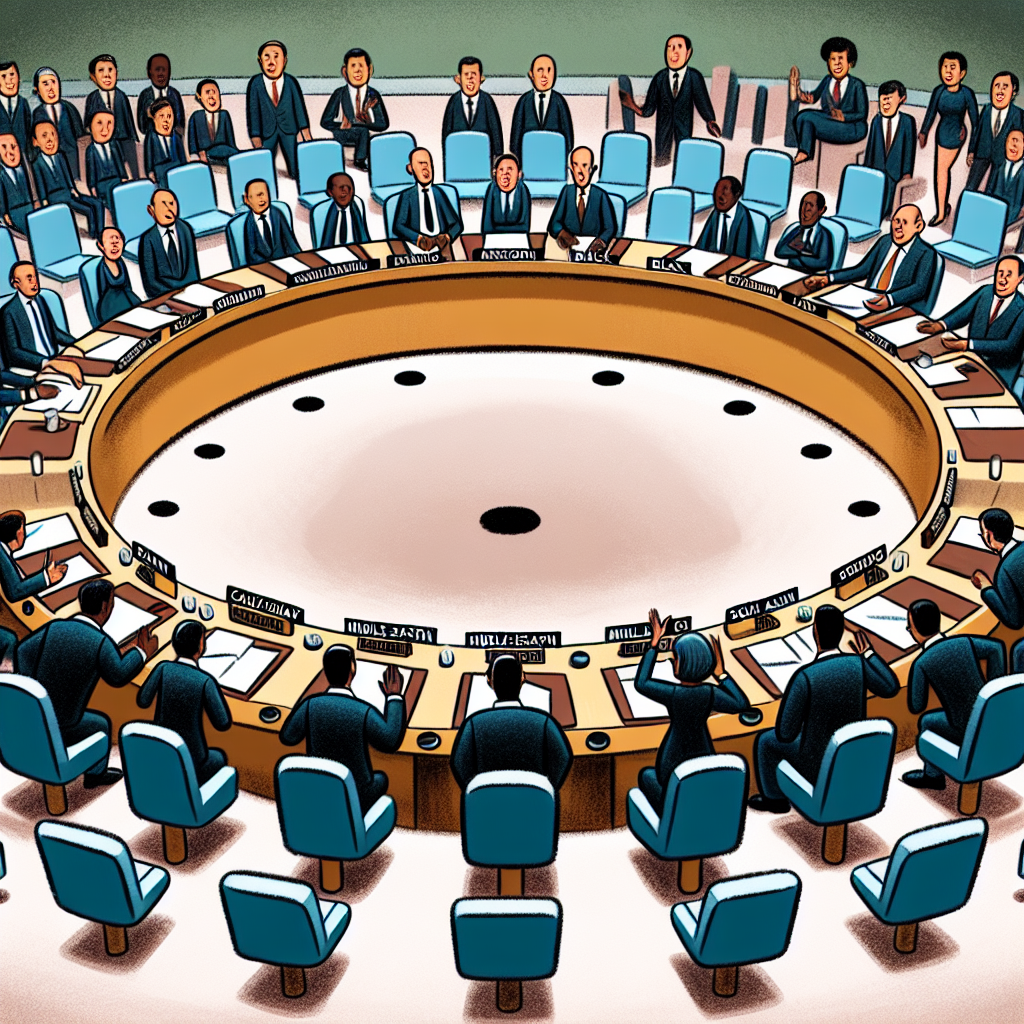
In a stark demonstration of global political divisions, the United States, presiding over the UN Security Council in March, encountered resistance from Russia and China. The opposition centers on the inclusion of discussions related to Iran, a contentious issue following reimposed sanctions.
The conflict arose over the US's intention to include a briefing on the 1737 Sanctions Committee in its Programme of Work, which Russia and China have vehemently opposed. This move has spotlighted longstanding disagreements over Iran's nuclear activities and the international response.
The vetoes underscore the fractures within the Security Council, complicating efforts to maintain a unified international front. The situation further intensifies as regional hostilities escalate, casting a long shadow over diplomatic engagements at the global stage.
ALSO READ
-
Inside Russia’s SMR School, Where Nuclear Experience Shapes Future Energy Decisions
-
WTO Sets Up Panel on EU Carbon Border Rules as Russia Challenges Restrictions
-
Russia’s Reach Beyond Borders Leaves Exiled Critics Living in Fear, UN Expert Warns
-
Ukraine Faces Another Bitter Winter as UN Inquiry Warns of Deepening Civilian Harm
-
Ukraine War: UN Documents 1,004 Sexual Violence Cases and Calls for Justice


 Google News