

LPG Supply Chain Disruption: India's Strategic Move Amidst Strait of Hormuz Tensions
Amidst geopolitical tensions in the Strait of Hormuz, two LPG tankers bound for India successfully cross. Despite the halt in shipping due to the U.S.-Israeli conflict with Iran, India navigates its LPG imports strategically. With significant imports from the Middle East, India faces a historic cooking gas crisis.
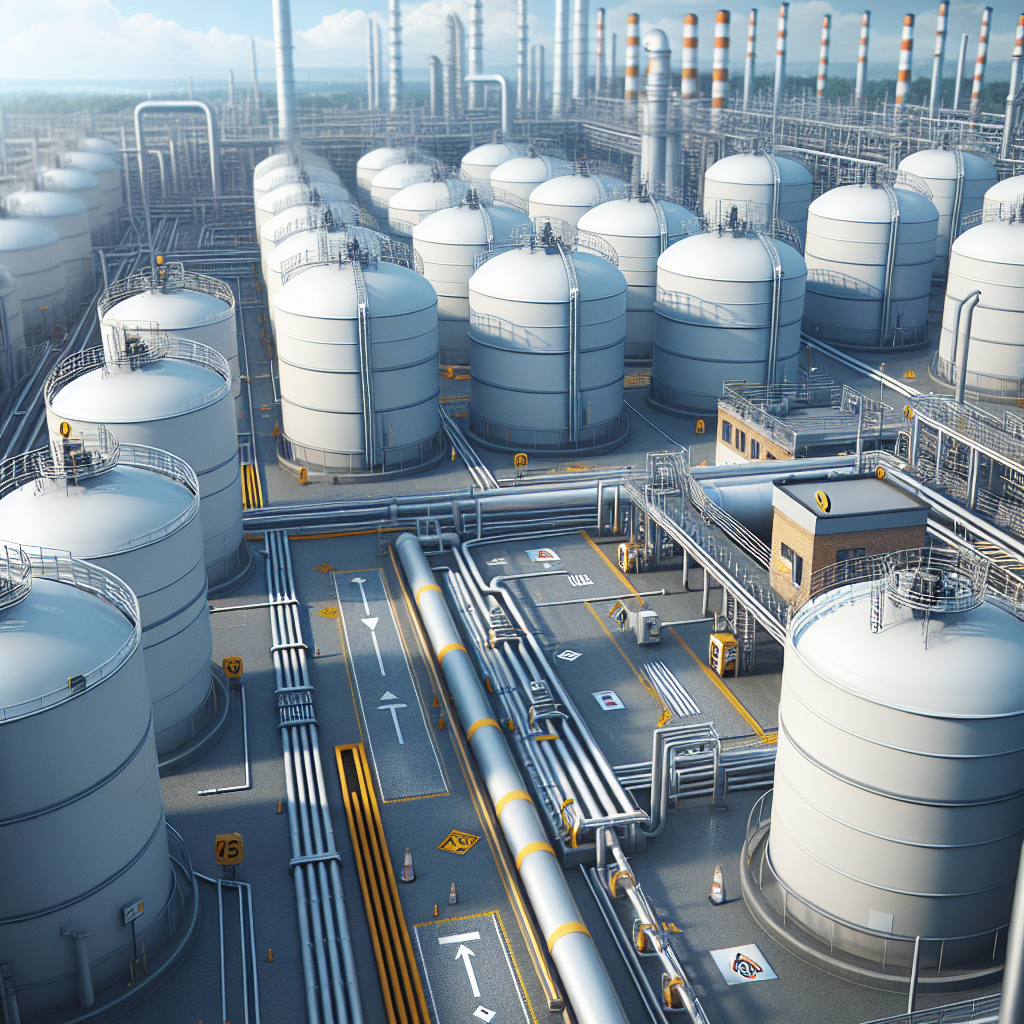
In a strategic navigation amidst rising tensions, two liquefied petroleum gas (LPG) carriers, BW Elm and BW Tyr, have successfully crossed the Strait of Hormuz en route to India, as verified by ship tracking data from LSEG and Kpler.
The passage comes in the wake of restricted shipping through the strait due to the U.S.-Israeli conflict with Iran, which allows 'non-hostile vessels' to transit following coordination with Iranian authorities. Despite the geopolitical challenges, India continues to extract its stranded LPG cargoes, with recent data highlighting four successfully moved tankers, including Shivalik and Nanda Devi.
As the world's second-largest importer of LPG grapples with a severe gas crisis, it strives to maintain cooking gas supplies while redirecting industrial quotas. Last year, India consumed 33.15 million metric tons of LPG, with the Middle East supplying a substantial portion of its imports, underscoring the critical nature of these shipping lanes.
ALSO READ
-
Food Price Shock Could Push 11.7 Million More Women and Girls Into Hunger in 2026
-
Japanese Lawmakers Visit India to See Worker Protection and Skills Projects in Action
-
Indian Unions Push for Fair Recruitment and Rights for Care Workers in Germany
-
Cleaner Kitchens, Polluted Skies: Hidden Health Cost of India’s Electricity Boom
-
Japan-Backed ILO Projects Help 23,000 Workers Gain Rights and Fight Child Labour


 Google News