

India's Renewable Energy Transition Adds Record 6.05 GW Wind Capacity in FY26
With this record expansion, India’s total installed wind power capacity has crossed 56 GW, reinforcing its position as one of the world’s leading wind energy markets.
- Country:
- India
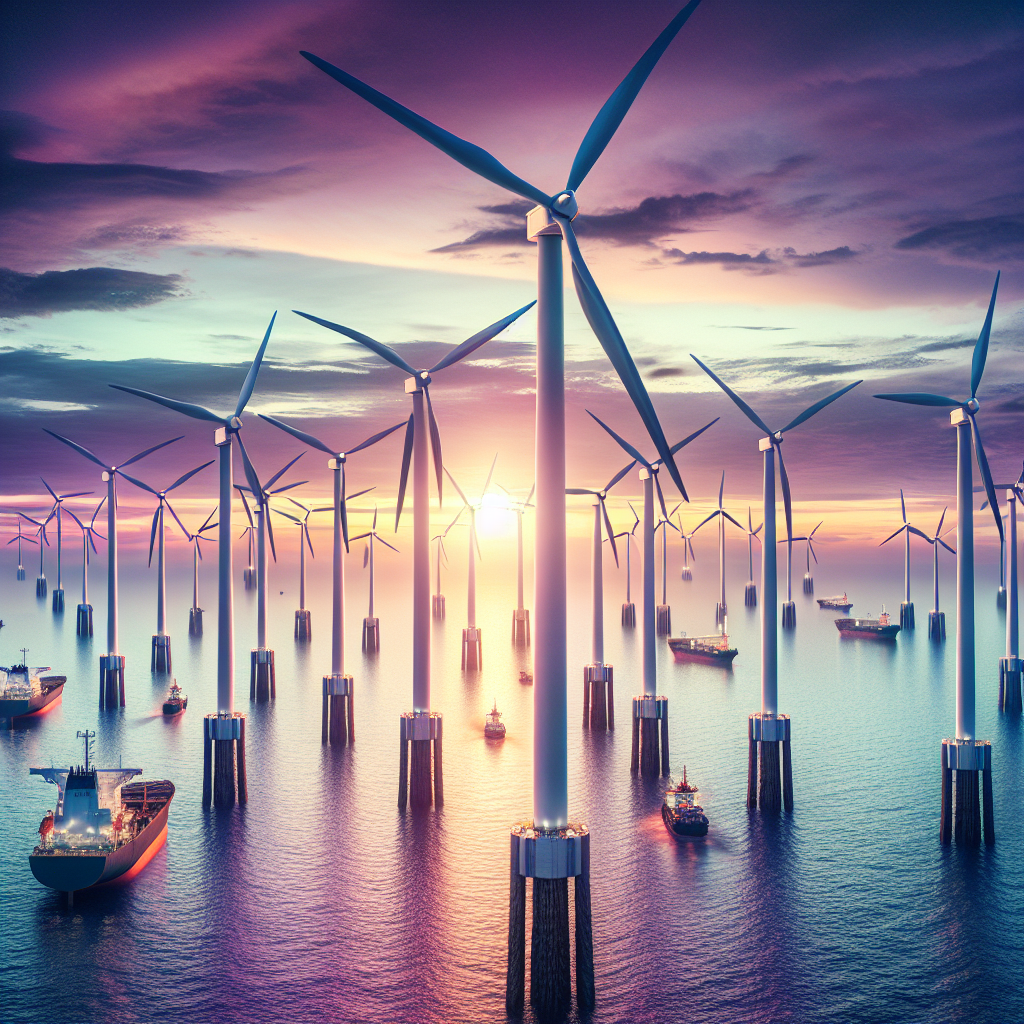
India's renewable energy transition has gained fresh momentum, with the country achieving its highest-ever annual wind power capacity addition of 6.05 GW in FY 2025–26, marking a significant milestone in its clean energy journey.
The latest addition surpasses the previous high of 5.5 GW recorded in FY 2016–17 and represents a nearly 46% increase over FY 2024–25, signalling a strong revival in the onshore wind sector.
Cumulative Wind Capacity Crosses 56 GW
With this record expansion, India's total installed wind power capacity has crossed 56 GW, reinforcing its position as one of the world's leading wind energy markets.
The surge reflects:
-
Improved policy clarity
-
Faster project execution
-
Stronger transmission infrastructure
-
Competitive tariff discovery
-
A robust and maturing project pipeline
Key States Driving Growth
The bulk of new capacity additions came from leading wind-rich states, including:
-
Gujarat
-
Karnataka
-
Maharashtra
These states have benefited from:
-
Expanding wind-solar hybrid projects
-
Improved grid connectivity
-
Increased participation through green energy open access
Policy Push Fuelling Sector Revival
The renewed momentum in wind energy has been driven by a series of targeted government interventions aimed at improving investment attractiveness and project viability.
Key policy measures include:
-
Concessional customs duty on wind turbine components and raw materials
-
Waiver of Inter-State Transmission System (ISTS) charges (extended till June 2028)
-
Competitive bidding mechanisms ensuring transparent tariff discovery
-
Wind Renewable Consumption Obligation (RCO) frameworks
-
Technical support from the National Institute of Wind Energy (NIWE)
These initiatives have helped reduce costs, improve investor confidence, and accelerate project pipelines.
Strengthening India's Clean Energy Goals
The record addition significantly boosts India's renewable energy portfolio and contributes toward the ambitious national target of:
-
500 GW of non-fossil fuel-based energy capacity by 2030
Wind energy remains a critical component of this target, complementing solar power and supporting grid stability through diversified generation sources.
Three Decades of Wind Energy Evolution
India's wind energy programme dates back to the early 1990s, when it was introduced as part of a broader renewable energy strategy.
Over the years, the country has built:
-
A strong manufacturing ecosystem
-
Advanced project development capabilities
-
A stable policy and regulatory framework
This foundation is now enabling rapid scaling in line with global clean energy trends.
Outlook: Sustained Growth Ahead
With hybrid projects, storage integration, and improved transmission networks gaining traction, India's wind sector is poised for sustained growth in the coming years.
The FY26 milestone not only marks a record year but also signals a structural turnaround, positioning wind energy as a key pillar in India's transition toward a low-carbon, energy-secure future.


 Google News