

UN Experts Raise Concerns Over Disciplinary Action Against Peru Judges
According to the experts, judicial independence is a cornerstone of the rule of law and must be protected from political or institutional pressure.
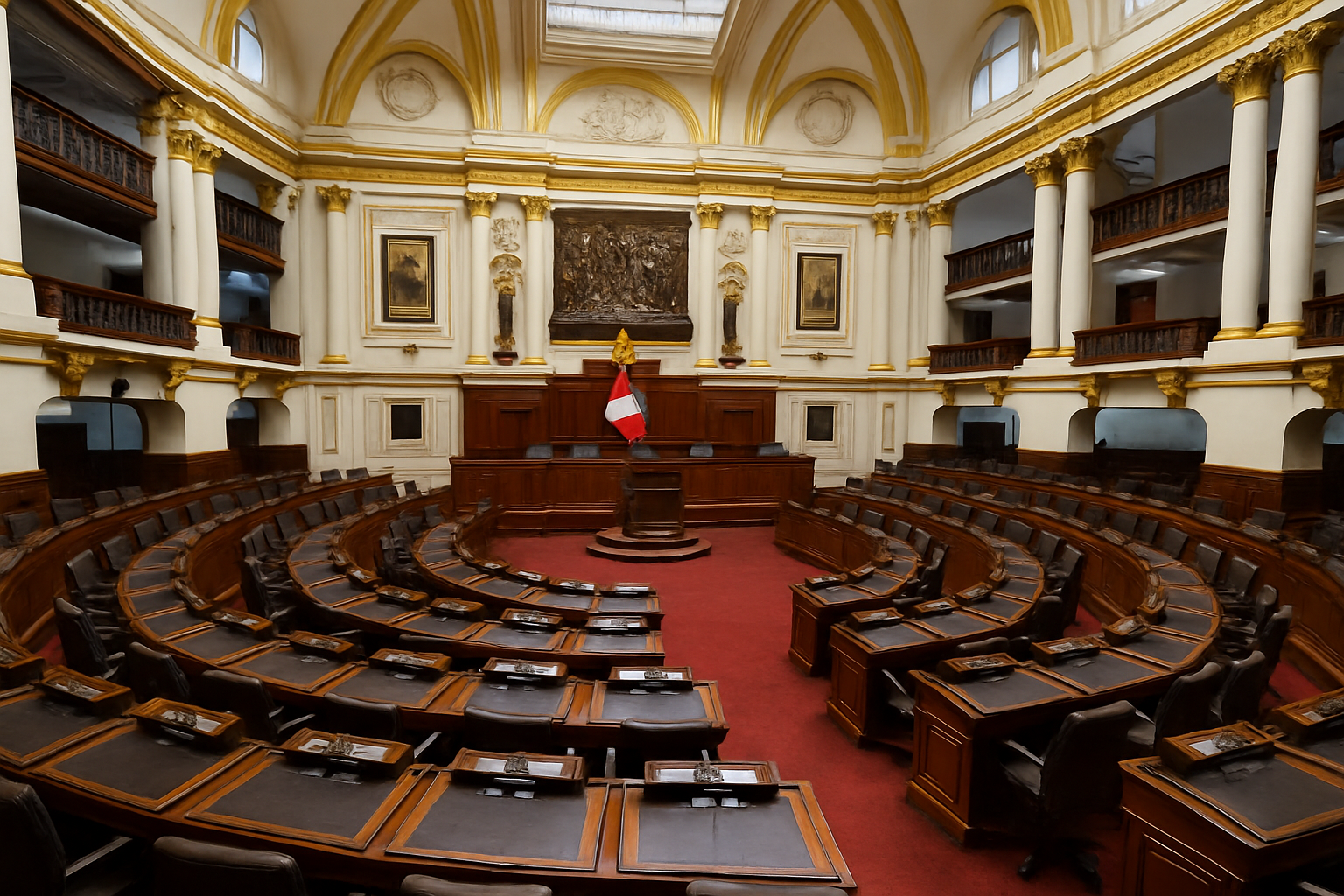
United Nations human rights experts have voiced concern over disciplinary proceedings launched against Peruvian judges who applied international human rights law in cases involving serious human rights violations. The experts warned that such actions threaten judicial independence and could weaken access to justice for victims seeking accountability for past abuses.
They said disciplinary measures against judges for relying on international legal standards send a troubling message to the judiciary and may discourage judges from making independent decisions in sensitive human rights cases. According to the experts, judicial independence is a cornerstone of the rule of law and must be protected from political or institutional pressure.
The experts expressed their support for Judges Richard Concepción Carhuancho and Jorge Luis Chávez Tamariz, along with a panel of Supreme Court judges who ruled in a landmark forced sterilisation case. Their decision aligned with the 2024 ruling of the Committee on the Elimination of Discrimination Against Women (CEDAW), which recognised that crimes against humanity cannot be limited by statutes of limitation.
UN urges Peru to protect judges applying international law
The experts called on the Peruvian Government to safeguard judicial independence and prevent further disciplinary proceedings against judges carrying out their duties in accordance with international law. They also urged the National Justice Board, Peru's main oversight body for justice officials, to avoid pursuing cases driven by political considerations or based solely on judges applying internationally recognised legal principles.
Their concerns follow the introduction of two controversial laws in Peru. One law imposes statutory limitations on crimes against humanity and war crimes, while another grants amnesty to members of the security forces. Both laws have previously been criticised by UN human rights experts.
Despite these legislative changes, many judges have rejected requests for amnesty or prescription by applying international human rights law through the doctrine of conventionality control. The experts noted that several of these judicial decisions have now become the subject of disciplinary investigations by the National Justice Board. They stressed that international legal standards clearly state judges may only face suspension or removal in cases involving serious misconduct or incompetence, and only through fair procedures that guarantee objectivity, impartiality and due process.
Call for accountability and stronger rule of law
The UN experts also reaffirmed that international law does not permit amnesties or pardons for crimes against humanity or other grave human rights violations. They praised judges who continue to uphold these principles despite increasing pressure and called on Peru to reverse legislative measures they described as setbacks for transitional justice.
The statement highlighted the earlier case of Judge Oswaldo Ordóñez, who was not reappointed by the National Justice Board after participating in a hearing before the Inter-American Commission on Human Rights. The experts said this case illustrates the importance of protecting judges from retaliation linked to their professional duties or engagement with international human rights mechanisms. They emphasised that judges should never face criminal prosecution, administrative action, financial penalties or other sanctions for decisions made in accordance with recognised legal standards, professional ethics and judicial responsibilities.
The experts confirmed they remain in contact with the Government of Peru and have offered technical assistance to help ensure national laws and judicial practices are consistent with the country's international human rights obligations. They said protecting judicial independence remains essential for preserving public confidence in the justice system and ensuring victims of serious human rights violations continue to have meaningful access to justice.
ALSO READ
-
Century After Slavery Convention, Millions Still Wait for Freedom and Justice
-
What Peru’s Household Food Baskets Reveal About Unequal Access to Fruits, Vegetables
-
Netherlands Pledges Over €309 Million to Strengthen Justice and Prevent Conflict
-
Nicaragua Used Disappearances to Crush Dissent as Eight Died in Custody, UN Reports
-
Russia’s Reach Beyond Borders Leaves Exiled Critics Living in Fear, UN Expert Warns


 Google News