

IAEA Expands Monitoring of Fukushima Water Release
Tokyo Electric Power Company (TEPCO), which operates the Fukushima Daiichi plant, began releasing ALPS-treated water in August 2023.
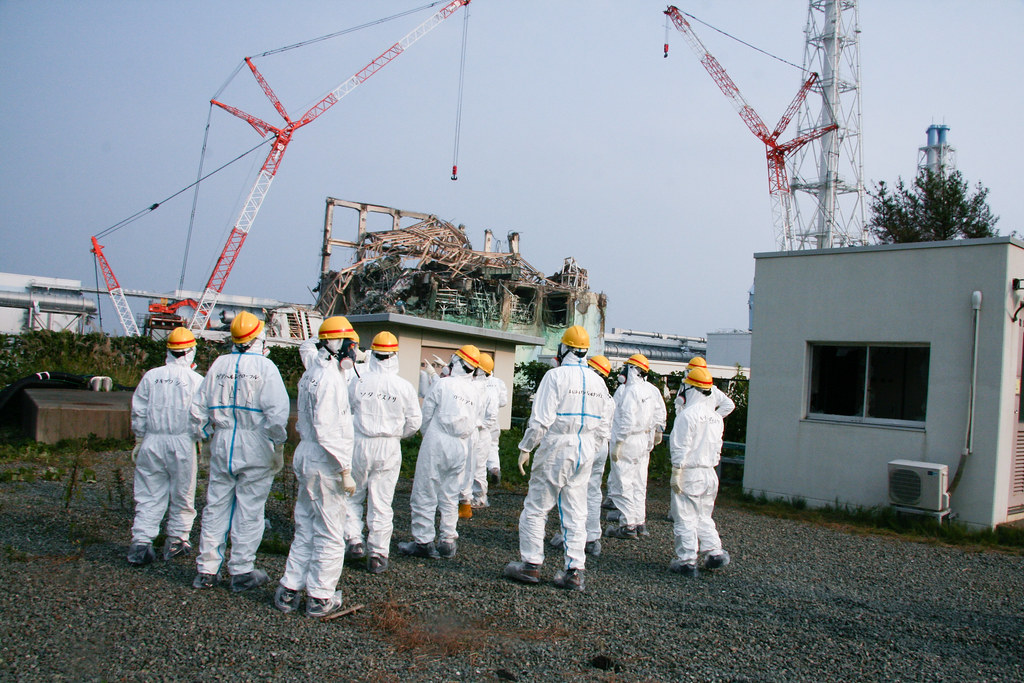
International Atomic Energy Agency (IAEA) Director General Rafael Mariano Grossi joined experts from China, the Republic of Korea and Switzerland in collecting seawater samples near Japan's Fukushima Daiichi Nuclear Power Station as part of continued international monitoring of the treated water discharge into the Pacific Ocean.
The sampling forms part of the Additional Measures agreed between the IAEA and Japan in 2024 to increase international participation and strengthen transparency around the release of Advanced Liquid Processing System (ALPS) treated water. The programme allows independent experts from several countries to directly collect samples and verify the safety of the discharge through their own scientific analysis.
Independent testing to verify safety standards
Tokyo Electric Power Company (TEPCO), which operates the Fukushima Daiichi plant, began releasing ALPS-treated water in August 2023. Since then, more than 156,000 cubic metres of treated water have been diluted and discharged in 20 separate batches as part of a long-term plan expected to continue over the coming decades.
According to the IAEA, testing carried out so far has confirmed that tritium levels in every batch released have remained well below Japan's operational safety limits and are consistent with international safety standards. Grossi said allowing experts from other countries to independently collect and analyse samples helps build greater confidence in the monitoring process while improving transparency for neighbouring countries and the wider international community.
Samples to be analysed by laboratories in four countries
The seawater samples collected during the latest mission will be analysed by the IAEA Marine Environment Laboratories in Monaco, laboratories in Japan, the Third Institute of Oceanography in China, the Korea Institute of Nuclear Safety in the Republic of Korea and the Spiez Laboratory in Switzerland.
The IAEA said it will continue carrying out an independent and impartial safety review of the treated water discharge through its permanent on-site presence, regular comparisons of laboratory results and continuous online monitoring of radiation levels. The agency maintains that these measures are designed to provide ongoing scientific verification that the discharge remains consistent with international nuclear safety standards while ensuring transparent reporting to the global community.
ALSO READ
-
Mexico Builds Nuclear Expertise to Keep Laguna Verde Running Safely for Longer
-
Inside Russia’s SMR School, Where Nuclear Experience Shapes Future Energy Decisions
-
14 Women Build Nuclear Expertise and Leadership Through IAEA Programme in Russia
-
How Nuclear Science Can Keep Food Fresh and Cut Waste Costing Billions
-
Nuclear Science Brings Cancer Care, Safer Food and Better Water Data Across Regions


 Google News