

South Africa Pushes Artisan Training to Boost Infrastructure
To support this target, DPWI has launched the Artisan Development Programme, which focuses on trades that are critical to the construction and infrastructure sectors.
- Country:
- South Africa
South Africa is stepping up efforts to build a stronger pipeline of skilled artisans as part of a broader plan to improve infrastructure delivery, strengthen State capacity and ensure government has the technical expertise needed to build and maintain public assets. The Department of Public Works and Infrastructure (DPWI) is working with universities, industry partners and training institutions to expand artisan development while re-establishing departmental workshops across the country.
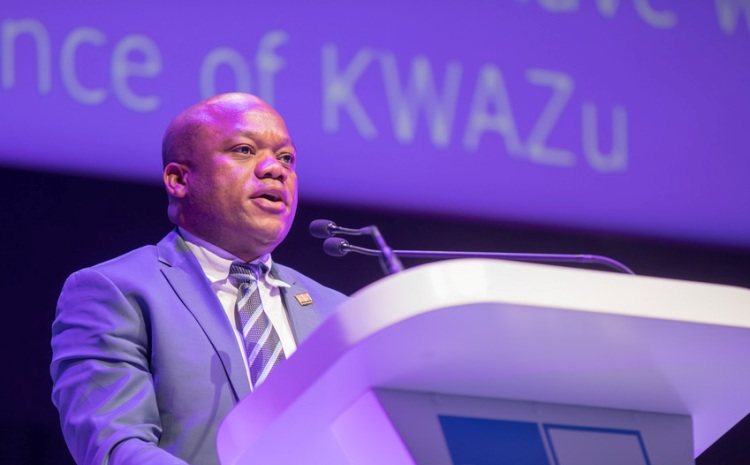
Speaking at the 4th Annual Construction Business and Project Management Conference in Cape Town, DPWI Deputy Minister Sihle Zikalala said collaboration between government, academia and the private sector is essential if South Africa is to overcome skills shortages and deliver infrastructure projects more efficiently. He said the country needs coordinated partnerships that can turn knowledge, innovation and research into practical solutions for communities.
New Centre of Excellence Planned for UCT
Zikalala confirmed that the department will launch a new Centre of Excellence at the University of Cape Town, adding to similar centres already established at the University of Johannesburg, the University of the Witwatersrand and Walter Sisulu University.
These centres are expected to support research, skills development and practical innovation in the built environment. According to the Deputy Minister, their work is important because it helps create a coordinated approach to solving infrastructure challenges while ensuring that academic knowledge contributes directly to practical implementation.
He said stronger cooperation is needed to address problems linked to housing delivery, procurement, sustainability, infrastructure planning and technological change. By bringing together government departments, universities, industry experts and other partners, the Centres of Excellence can help reshape the construction and infrastructure sectors through innovation and shared expertise.
Zikalala said South Africa cannot rely on government alone to meet its infrastructure goals. Industry players, academic institutions and development partners must work together to improve project delivery, scale up innovation and build the skills needed for long-term development.
Artisan Development Programme Targets Critical Trades
The Deputy Minister reminded delegates that government has committed to developing 30,000 artisans per year, a target announced by the President during the 2023 State of the Nation Address. The goal is part of a wider effort to increase the number of skilled workers available to support construction, maintenance and industrial development across the country.
To support this target, DPWI has launched the Artisan Development Programme, which focuses on trades that are critical to the construction and infrastructure sectors. These include bricklaying, welding, carpentry, painting, mechanical work, fitter and turner skills, electrical work, plumbing and boilermaking.
The programme is intended to help address South Africa's shortage of technical skills while improving the State's ability to plan, build and maintain public infrastructure. Skilled artisans are needed not only for new projects but also for the repair and upkeep of existing schools, hospitals, government buildings, roads and other essential facilities.
Zikalala said the re-establishment of departmental workshops will play a key role in rapidly deploying artisans and strengthening the State's hands-on technical capacity. These workshops are expected to support practical training while improving government's ability to respond to maintenance needs across the country.
Partnerships Needed to Close Skills Gap
Despite the government's target, South Africa's current artisan training output remains too low. Zikalala said technical colleges are producing about 15,000 artisan graduates per year, only half of what is needed to meet the national goal. He called on the private sector, universities and Sector Education and Training Authorities (SETAs) to play a larger role in expanding training opportunities and improving throughput. According to the Deputy Minister, South Africa needs a stronger skills ecosystem that connects classroom learning with workplace experience, mentorship and real construction projects.
The department believes a larger pool of artisans will support job creation, improve infrastructure maintenance and strengthen economic development. More skilled workers can also help reduce project delays, improve construction quality and support sustainable delivery in communities that rely on public infrastructure.
Zikalala urged stakeholders to view infrastructure not only as buildings and roads, but as a foundation for hope, opportunity and lasting progress. He said expanding artisan development is central to building a more capable State and ensuring that future generations inherit stronger public infrastructure and wider economic opportunities.


 Google News