

Do IMF Programs Shape Gender Equality? Evidence from Rigorous Global Evaluation
The study analyzes over 150 IMF-supported programs (1994-2022) and finds that these programs neither systematically harm nor consistently improve gender equality, with crisis effects primarily driving observed gender disparities. Using advanced Synthetic Control Methods, it highlights the need for tailored, gender-sensitive policy designs to achieve equitable outcomes.
 CoE-EDP, VisionRI
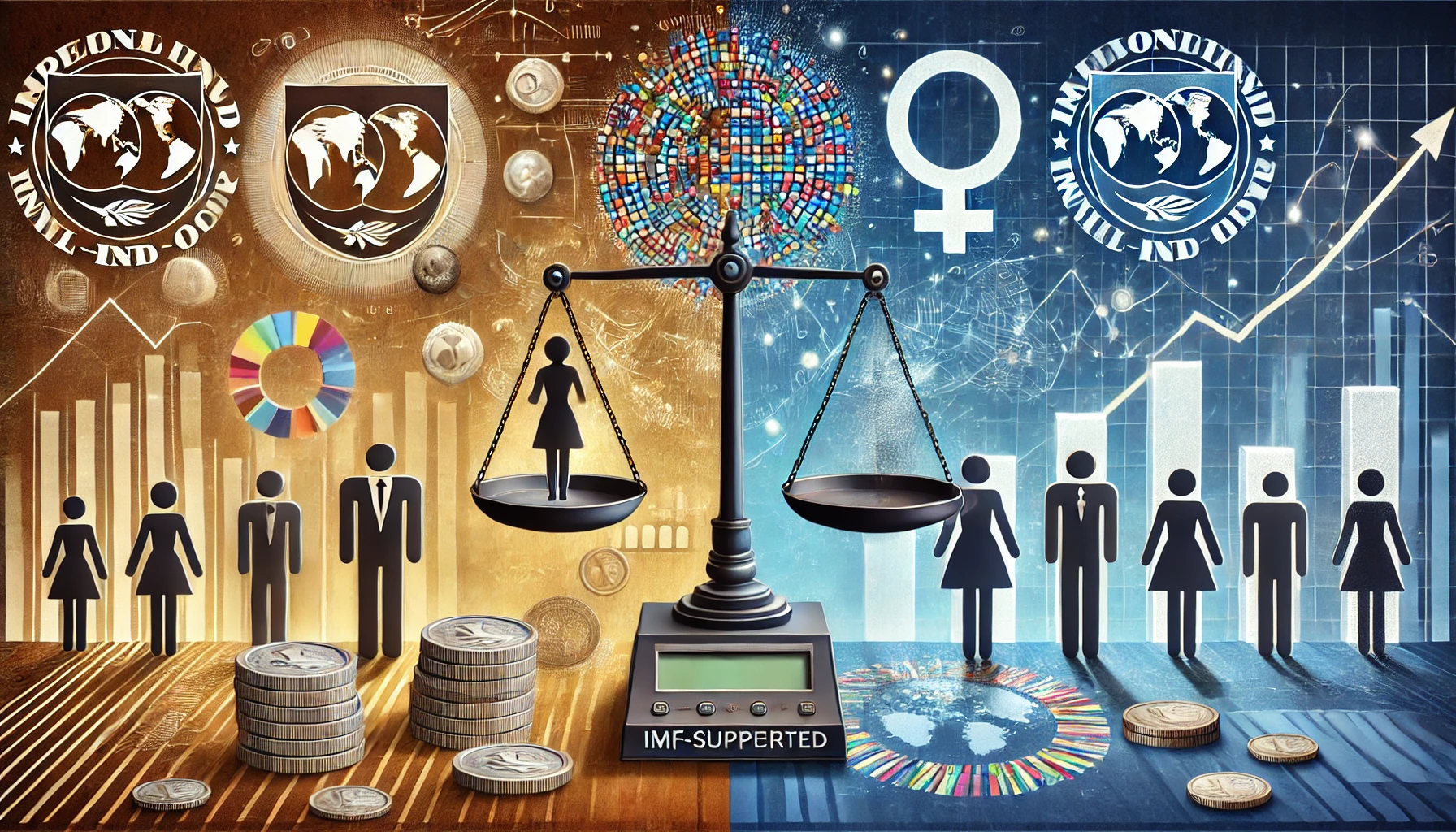
A comprehensive study authored by Theo Eicher from the University of Washington, Reina Kawai Eskimez from the World Bank, and Monique Newiak from the International Monetary Fund, examines the impact of IMF-supported programs on gender inequality across more than 150 programs implemented between 1994 and 2022. Using an innovative approach called Synthetic Control Methods (SCM), the research investigates how gender inequality might have evolved in crisis-hit countries without IMF interventions. The study addresses a significant gap in the literature by disentangling the effects of economic crises from those attributable to the conditions imposed by the IMF.
Unraveling Gender Indicators in Crisis Contexts
The research focuses on seven key indicators of gender inequality: female labor force participation, maternal mortality, adolescent fertility, and gender parity in primary, secondary, and tertiary education. The findings are striking: in 87-90% of cases, IMF-supported programs did not significantly affect gender outcomes when compared to control groups carefully designed to replicate pre-crisis conditions. This challenges longstanding critiques that IMF programs systematically worsen gender inequality. In cases where significant impacts were observed, the effects were evenly split between positive and negative, emphasizing the variability and context-specific nature of these outcomes.
The Power of Synthetic Control Methods
The authors' use of SCM represents a major methodological advancement, creating highly tailored control groups to allow precise comparisons. For instance, in analyzing the Dominican Republic's 2003 program during a severe financial crisis, SCM matched the country's pre-crisis gender and economic trajectories to construct a credible counterfactual. While female labor force participation in the Dominican Republic improved under the program, the pace of recovery was slower than in the synthetic control group. This nuanced approach highlights the critical importance of credible control groups in assessing the impact of IMF-supported programs and avoids conflating crisis effects with those of the programs themselves.
Rethinking IMF Programs and Gender Outcomes
The findings reveal that economic crises themselves, rather than IMF programs, are the primary drivers of observed changes in gender inequality. Earlier studies often attributed negative outcomes to IMF conditions due to a lack of rigorous control mechanisms. This research not only corrects such misattributions but also underscores the potential for IMF programs to achieve positive gender outcomes when designed thoughtfully. While the inclusion of social spending floors has become common in IMF programs since 1999, these measures generally lack a specific focus on gender equity. More recent initiatives, such as the IMF's 2022 strategy to mainstream gender into its operations, hold promise for addressing these gaps, though they were outside the timeframe of this study.
A Call for Context-Specific Policy Design
The study underscores the importance of context in evaluating the effects of IMF-supported programs. Some countries saw reductions in gender inequality under these programs, while others experienced setbacks, underscoring the need for case-specific analysis. For example, maternal mortality and adolescent fertility rates exhibited varied trends across countries, with no consistent pattern attributable to IMF interventions. This variability highlights that while IMF-supported programs are neither inherently harmful nor beneficial, their design and implementation play critical roles in shaping gender outcomes. Programs that integrate gender considerations into their frameworks are better positioned to promote inclusive recovery.
Towards Inclusive and Equitable Stabilization Efforts
The study concludes that IMF-supported programs do not consistently harm nor systematically improve gender equality. This neutral overall impact challenges both critics and advocates, emphasizing the need for evidence-based debates about the design and implementation of these programs. While the findings provide robust evidence against systematic negative effects, they also point to opportunities for improvement. For example, programs that have demonstrated declines in gender inequality suggest that targeted policy measures can lead to better outcomes. As the IMF continues to evolve its approach to social spending and gender mainstreaming, these insights provide a foundation for crafting policies that support women and girls in crisis-affected countries. By leveraging these findings, future IMF-supported programs can ensure economic stabilization efforts are more inclusive and equitable, addressing the unique challenges faced by vulnerable populations.
- FIRST PUBLISHED IN:
- Devdiscourse
ALSO READ
-
Ghana’s Crypto Reset: New Rules Target a $21 Billion Market as Stablecoin Use Gains Ground
-
From Market Access to Market Power: What African Firms Need to Capture AfCFTA’s Trade Gains
-
Too Many Homes, Too Little Spending: Inside China’s Deepening Housing and Consumption Divide
-
World Bank Backs Debt Framework Reforms as Risks Rise for Low-Income Countries


 Google News