

World Humanitarian Day 2025: Urgent Call to Protect Workers and #ActForHumanity
The past year has been one of the deadliest on record for humanitarian personnel. Aid workers have been killed, kidnapped, or deliberately attacked in conflicts across multiple regions.
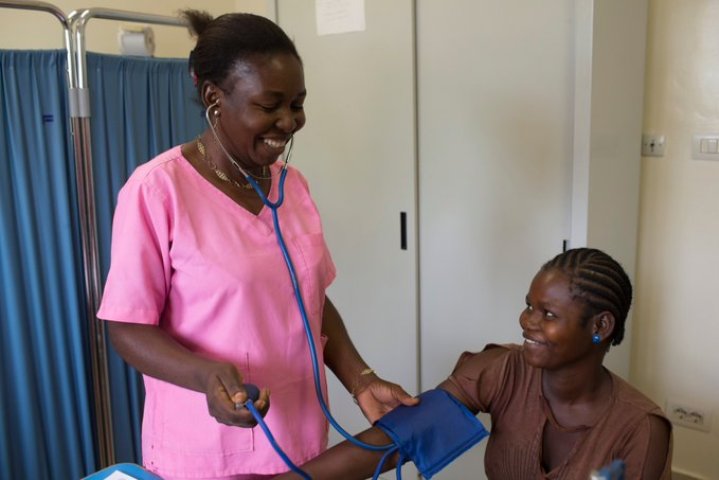
On this World Humanitarian Day, the international community pauses to honor the courage, sacrifice, and resilience of humanitarians across the globe. These are the individuals who risk their lives every day to bring food, shelter, medical aid, and hope to those trapped in conflict, disaster, and displacement. Tragically, many of them also pay the ultimate price, losing their lives in the line of duty.
This year's commemoration comes at a time when humanitarian work is more dangerous and underfunded than at any point in modern history. The call to #ActForHumanity is not just a theme—it is an urgent appeal to governments, institutions, and the global public to defend humanitarian space and safeguard those who deliver life-saving assistance.
A Deadly Year for Humanitarian Workers
The past year has been one of the deadliest on record for humanitarian personnel. Aid workers have been killed, kidnapped, or deliberately attacked in conflicts across multiple regions. These acts of violence are not isolated incidents. They stem from deeper systemic issues:
-
Erosion of respect for international humanitarian law, once seen as the bedrock of wartime protection.
-
Impunity for armed actors who deliberately target humanitarian staff, facilities, and convoys.
-
Disregard for humanitarian principles, leaving civilians and aid workers exposed to escalating risks.
Women humanitarians face double jeopardy—targeted both for their lifesaving work and for their gender. Women leaders and local responders, who are often the first to arrive and the last to leave crisis zones, are particularly vulnerable to harassment, violence, and exclusion.
A Crisis of Resources and Broken Promises
The violence against aid workers is compounded by a historic funding shortfall. As of 12 August 2025, only 18 per cent of the Global Humanitarian Overview's funding requirements had been met—leaving millions without access to food, shelter, healthcare, and protection.
The cuts have had a disproportionate impact on women-led and local organizations. According to a 2025 UN Women survey covering 44 crisis contexts:
-
72 per cent of women's organizations have had to lay off staff.
-
Over half have suspended programmes, leaving vulnerable populations without crucial services.
The collapse of women-led services has devastating ripple effects. Without these organizations, essential protections disappear: services for survivors of gender-based violence are reduced, social safety nets are removed, and women shoulder heavier burdens of unpaid care work in already fragile settings.
Why Women's Leadership Matters
Women responders are not only frontline workers but also key architects of resilience in their communities. Their leadership ensures that humanitarian aid is delivered in ways that are inclusive, effective, and responsive to the needs of women and girls. Yet their contributions are often underfunded and underrecognized.
Guaranteeing the full participation of women in humanitarian decision-making is not optional—it is essential to building responses that save more lives and strengthen long-term recovery.
A Global Call to Action
On this World Humanitarian Day, humanitarian agencies and advocates are calling for urgent and decisive action:
-
Protect humanitarian workers: Ensure their safety, hold perpetrators accountable, and uphold international humanitarian law.
-
Fund the humanitarian lifeline: Prioritize resources for women-led and local organizations that are first responders in crises.
-
Guarantee women's leadership: Embed women's participation in humanitarian decision-making at every level.
The stakes could not be higher. Without protection for aid workers, communities lose access to lifesaving support. Without funding, vital services collapse. Without women's leadership, humanitarian response loses its inclusivity and long-term impact.
The World is Watching
As conflicts deepen, disasters intensify, and humanitarian needs skyrocket, the world cannot afford complacency. Humanitarian workers cannot be left to face violence and neglect alone.
World Humanitarian Day is a solemn reminder that behind every aid convoy, medical tent, and relief package is a human being who has chosen to stand in solidarity with those in need. To honor their courage, the world must act—not tomorrow, but today.
The message is clear: Protect. Fund. Empower. Act for Humanity.


 Google News