

Ban on International NGOs Threatens Humanitarian Lifeline in Occupied Palestine
International NGOs play an indispensable role in the OPT, collectively delivering close to one billion US dollars in humanitarian assistance every year.
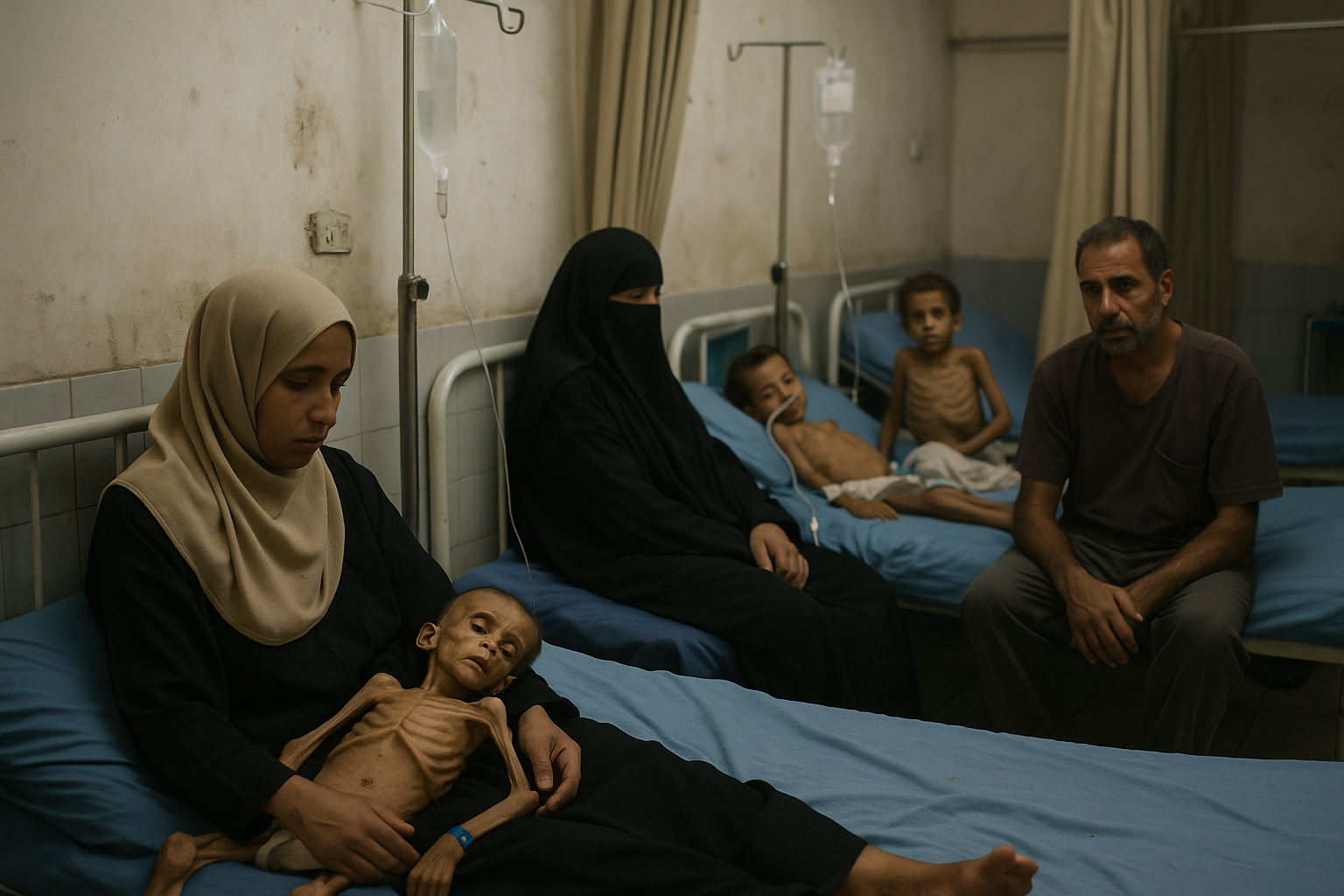
The Israeli authorities' reported plan to ban a significant number of international non-governmental organisations (INGOs) operating in the Occupied Palestinian Territory (OPT) has triggered grave concern across the humanitarian and human rights community. At a time when civilian needs are at their most acute, such a move threatens to dismantle the already fragile humanitarian response system that millions of Palestinians depend on for survival.
International NGOs play an indispensable role in the OPT, collectively delivering close to one billion US dollars in humanitarian assistance every year. This aid supports life-saving food distributions, emergency healthcare, water and sanitation services, shelter, protection programmes, and support for displaced families. Any large-scale suspension or ban on these organisations would therefore have immediate and far-reaching consequences for civilians.
The risks are particularly severe in Gaza, where humanitarian conditions remain catastrophic despite intermittent ceasefire efforts. As winter intensifies, thousands of families face exposure to cold, inadequate shelter, and limited access to heating fuel. Acute food insecurity remains widespread, with many households unable to meet their basic nutritional needs. Health systems are overstretched, while access to clean water and sanitation continues to deteriorate. In this context, the presence of experienced international NGOs is not supplementary — it is essential.
Humanitarian leaders warn that banning NGOs now could undermine the fragile progress achieved during periods of reduced hostilities. Ceasefires, when they occur, offer rare opportunities to scale up aid delivery, repair critical infrastructure, and reach populations previously cut off from assistance. Restricting or expelling humanitarian actors risks reversing these gains, pushing already vulnerable communities deeper into crisis.
The human cost would be devastating. Children face heightened risks of malnutrition, disease, and interrupted education. Women, particularly pregnant women and female-headed households, would lose access to essential health and protection services. Older persons and people with disabilities, who rely heavily on targeted humanitarian support, would be disproportionately affected.
Crucially, humanitarian access is not optional, conditional, or political. Under international humanitarian law, including the Fourth Geneva Convention, Israel has a legal obligation to allow and facilitate the rapid and unimpeded passage of humanitarian relief for civilians in need. Arbitrary bans on NGOs directly contravene these obligations and weaken the international system designed to protect civilians during armed conflict.
This concern has been formally articulated by an unprecedented coalition of global humanitarian, development, and human rights leaders. Signatories include senior officials from the United Nations, major international NGOs, and humanitarian coordination bodies, among them the UN Emergency Relief Coordinator, the High Commissioners for Human Rights and Refugees, and the heads of UNICEF, WHO, WFP, UN Women, FAO, UNDP, and leading humanitarian organisations such as Oxfam, Save the Children, Mercy Corps, and Caritas Internationalis.
Their unified message is clear: Israel must urgently reconsider any plan to ban international NGOs operating in the OPT. Doing so would not enhance civilian protection or stability; instead, it would deepen human suffering, undermine humanitarian principles, and further erode respect for international law.
Ensuring humanitarian access is a legal duty and a moral imperative. The international community, particularly states with influence over Israel, must act decisively to prevent further restrictions and to safeguard the humanitarian space essential for protecting the lives and dignity of Palestinian civilians.


 Google News