

UNICEF Warns Millions of Children at Risk After Venezuela Quakes
UNICEF said the full scale of the disaster is still being assessed, with emergency teams continuing to gather information from impacted communities.
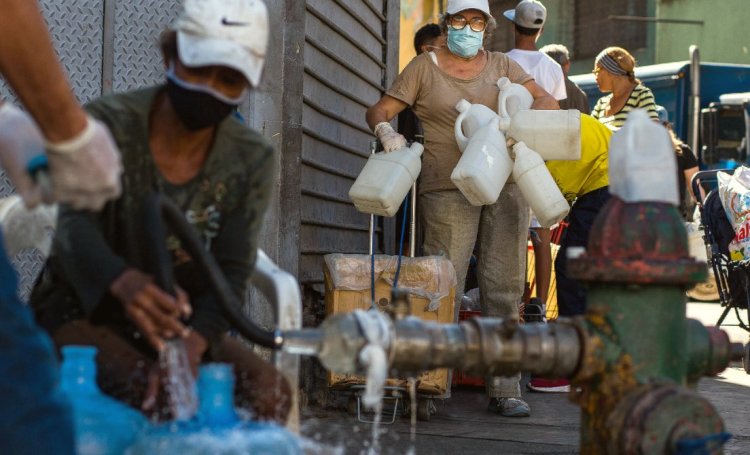
Nearly 3.9 million children are living in areas affected by two powerful earthquakes that struck Venezuela on 24 June, raising urgent concerns about their safety and access to essential services. The 7.5 and 7.2 magnitude earthquakes caused widespread destruction across Caracas and several surrounding states, leaving families facing growing humanitarian needs as emergency assessments continue.
The earthquakes affected communities in Caracas as well as the states of Aragua, Carabobo, Falcón, La Guaira and Miranda. Authorities have reported the collapse of dozens of buildings, with children believed to be among those killed or injured. Damage to homes, public infrastructure and essential services has been reported across the affected regions, while concerns remain over possible aftershocks that could place more families at risk. UNICEF said the full scale of the disaster is still being assessed, with emergency teams continuing to gather information from impacted communities.
Children face growing humanitarian needs after disaster
UNICEF Executive Director Catherine Russell described the scenes emerging from Venezuela as heartbreaking and expressed sympathy for families mourning the loss of loved ones and those whose lives have been disrupted by the disaster. She said children must remain at the centre of emergency response efforts as authorities and humanitarian organisations assess the damage and deliver assistance to affected communities.
Children are among the most vulnerable during natural disasters, facing immediate risks such as injuries, separation from family members and displacement from their homes. In the days following a major earthquake, many also experience emotional distress while losing access to healthcare, safe drinking water, education and protection services that are critical to their wellbeing.
Thousands of families are expected to require urgent humanitarian assistance as assessments continue. Damage to schools, hospitals, water systems and other essential infrastructure is likely to interrupt basic services and increase health and protection risks for children and caregivers across the affected areas.
UNICEF expands emergency response as funding gap remains
UNICEF is working closely with national authorities and humanitarian partners to assess the needs of affected communities and coordinate emergency response activities. The organisation is helping ensure that children and families can access medical care, child protection services, psychosocial support, safe water and secure spaces where children can recover from the trauma of the disaster. Emergency teams remain on the ground supporting national response efforts, with particular attention being given to children and families facing the greatest levels of vulnerability.
The agency also highlighted the financial challenges surrounding its humanitarian operations in Venezuela. Before the earthquakes struck, UNICEF's 2026 Humanitarian Action for Children appeal for the country sought US$137.6 million to support vulnerable children and families. At the time of the disaster, only 35 per cent of the required funding had been received, leaving a significant gap as humanitarian needs rapidly increase following the earthquakes. UNICEF said continued international support will be essential to help deliver lifesaving assistance, restore critical services and protect millions of children whose lives have been disrupted by one of the country's most powerful recent natural disasters.
ALSO READ
-
Lebanon’s Children Cannot Lose More of Their Childhood, UNICEF Chief Urges Action
-
Sudan Shelter Drone Strike Reportedly Kills a Boy and Injures 12 Children
-
Syria’s Returning Children Need Schools, Care and Safe Water to Rebuild Lives
-
Lebanon’s Children Face Hunger, Lost Schooling and Work as Families Reach the Brink
-
UNICEF Praises Jordan’s Progress for Children as Funding Cuts Threaten Vital Services


 Google News