

UN Rights Experts Vow to Stand Firm Against Smears and Intimidation
For victims and survivors, the experts provide an international platform through which experiences of abuse can reach governments and the wider public.
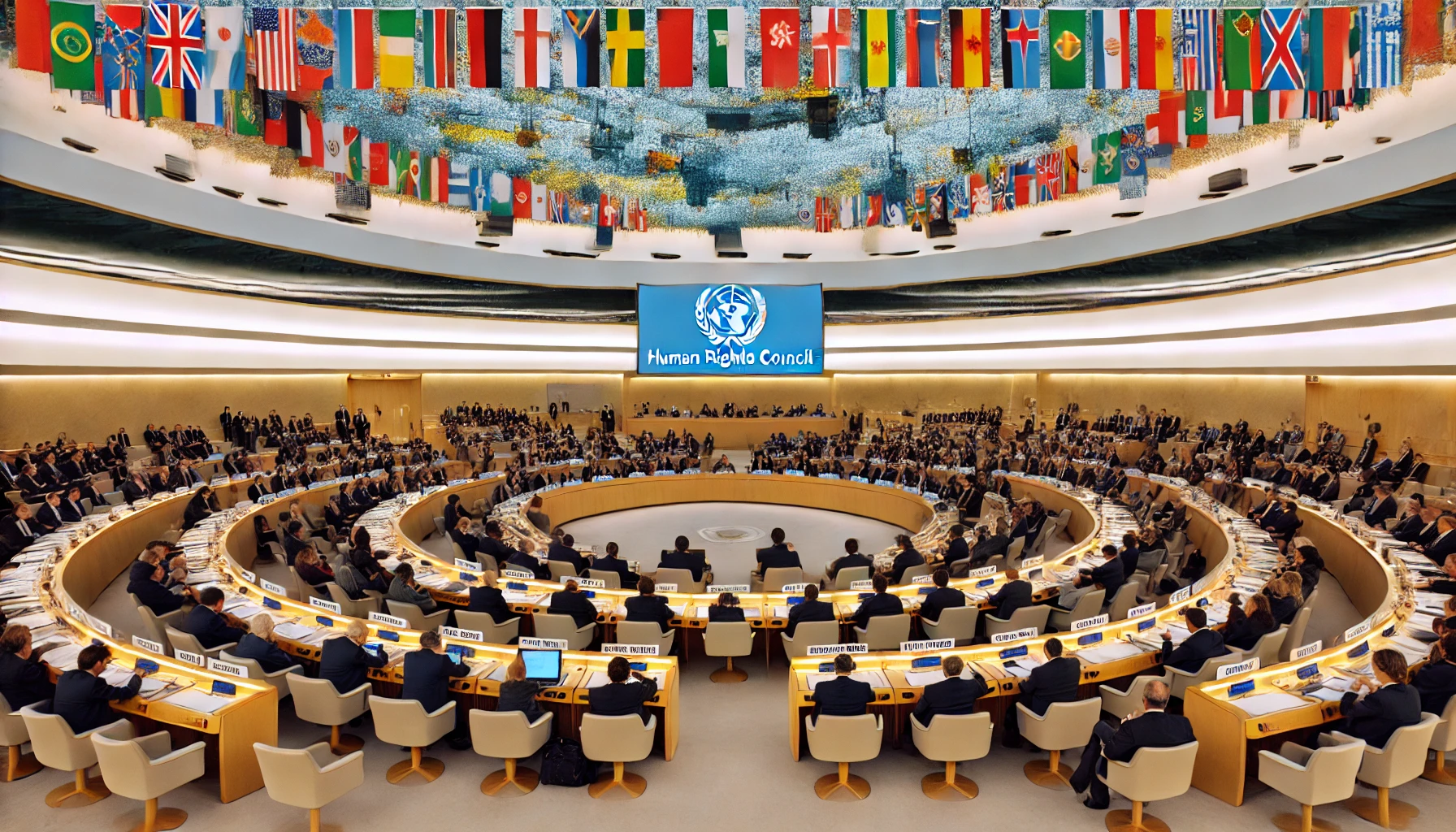
Independent UN human rights experts have pledged to remain "unbowed and undeterred" in the face of personal attacks, smear campaigns and misinformation, warning that efforts to silence them also threaten the victims and communities whose rights they defend. Marking the Human Rights Council's 20th anniversary, the Coordination Committee of UN Special Procedures called on governments, civil society organisations and the UN system to protect the experts' independence and renew support for their work.
Attacks on Experts Put Human Rights Work at Risk
The Committee described coordinated efforts to discredit mandate holders as a threat extending beyond individual reputations, undermining confidence in the Special Procedures system and the wider UN human rights framework. It expressed particular concern about what it called false allegations of corruption and political bias, alongside calls for sanctions against several experts, saying these campaigns seek to weaken the credibility of people entrusted with examining human rights concerns.
For victims and survivors, the experts provide an international platform through which experiences of abuse can reach governments and the wider public. The Committee warned that intimidation and disinformation threaten the system that helps bring those experiences to light, calling for an unequivocal rejection of harassment directed at mandate holders. Its appeal places the protection of independent scrutiny at the centre of the Council's anniversary.
Decades of Scrutiny Face Growing Pressure
Since the first special procedure was established in 1967, the system has helped identify emerging threats, explain international human rights standards and bring the voices of victims and survivors into global discussions. The Committee described it as an agile and effective mechanism that helps states fulfil their human rights obligations, stressing that this supporting role was the reason governments created the system.
Rising conflict, authoritarianism, unilateral action and attacks on fundamental freedoms have made that work increasingly important, according to the statement. The UN's continuing financial crisis has also made the experts' responsibilities harder to fulfil, adding resource pressures to an already difficult environment. The Committee said the current geopolitical climate demands stronger support for independent experts and their ability to draw attention to abuses.
Committee Defends Transparency and Calls for Support
Responding to accusations that the system lacks transparency and accountability, the Committee said information about its funding is publicly available through UN reporting. It pointed to disclosures covering regular budget allocations, voluntary contributions received by the Office of the High Commissioner for Human Rights and external resources received directly by mandate holders, stating that these details appear in OHCHR activity reports. The Committee also emphasised that the experts' work is subject to multiple layers of checks and balances.
Human Rights Council members, civil society organisations and the wider UN system were urged to defend the independence of mandate holders and reject campaigns intended to intimidate or discredit them. The experts pledged to continue their responsibilities with impartiality and rigour, guided by international human rights law and the experiences of victims and survivors, making clear that attempts to silence them would not end their work.
ALSO READ
-
Repression Machinery: Belarus's Systematic Silencing of Dissent
-
Today’s AI Decisions Could Shape Generations, UN Rights Chief Warns
-
UN Expert Raises Alarm Over Women’s Safety in California Prison
-
Wedding Strike in Iran Leaves Families Dead as UN Mission Calls for Peace
-
Argentina’s Zlauvinen Takes the Helm of IAEA’s 70th General Conference


 Google News