

Hypocrisy gone viral? Officials set bad COVID-19 examples
- Country:
- United Kingdom
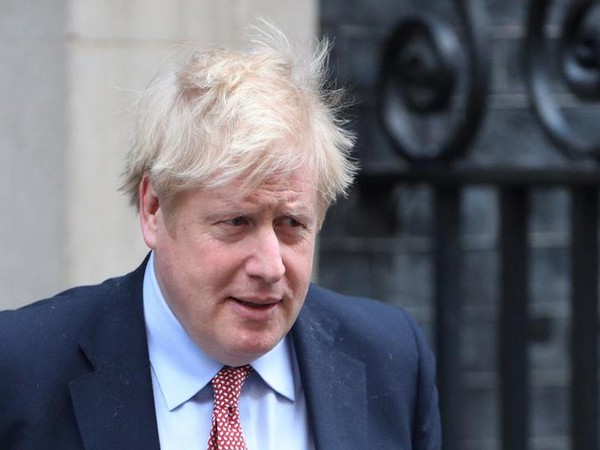
"Do as I say, but not as I do" was the message many British saw in the behavior of Prime Minister Boris Johnson's key aide, who traveled hundreds of miles with coronavirus symptoms during the country's lockdown. While Dominic Cummings has faced calls for his firing but support from his boss over his journey from London to the northern city of Durham in March, few countries seem immune to the perception that politicians and top officials are bending the rules that their own governments wrote during the pandemic.
From US President Donald Trump to Israeli Prime Minister Benjamin Netanyahu, global decision-makers have frequently set bad examples, whether it's refusing to wear masks or breaking confinement rules aimed at protecting their citizens from COVID-19. Some are punished when they're caught, others publicly repent, while a few just shrug off the violations during a pandemic that has claimed more than 350,000 lives worldwide.
Here are some notable examples. In April, New Zealand's health minister was stripped of some of his responsibilities after defying the country's strict lockdown measures. David Clark drove 19 kilometers (12 miles) to the beach to take a walk with his family as the government was asking people to make historic sacrifices by staying at home. "I've been an idiot, and I understand why people will be angry with me," Clark said. He also earlier acknowledged driving to a park near his home to go mountain biking.
Prime Minister Jacinda Ardern said normally she would fire Clark but that the country couldn't afford a massive disruption in its health sector while it was fighting the virus. Instead, she stripped Clark of his role as associate finance minister and demoting him to the bottom of the Cabinet rankings. Mexican President Andrés Manuel López Obrador said it pained him not to embrace supporters during tours because of health risks, but he made a remarkable exception in March, shaking hands with the elderly mother of imprisoned drug kingpin Joaquin "El Chapo" Guzmán. Asked about shaking her hand when the government was urging citizens to practice social distancing, López Obrador said it would have been disrespectful not to.
"It's very difficult humanly," he said. "I'm not a robot." The decision to wear a mask in public is becoming a political statement in the U.S. It's been stoked by Trump — who didn't wear a mask during an appearance at a facility making them — and some other Republicans, who have questioned the value of masks. This month, pandemic politics shadowed Trump's trip to Michigan as he toured a factory making lifesaving medical devices. He did not publicly wear a face-covering despite a warning from the state's top law enforcement officer that refusing to do so might lead to a ban on his return. Presumptive Democratic nominee Joe Biden, meanwhile, wore a mask along with his wife, Jill, as they laid a wreath Monday at a Delaware veterans' memorial — his first public appearance since mid-March. Trump later retweeted Fox News analyst Brit Hume's criticism of Biden for wearing a mask in public.
Vice President Mike Pence was criticized for not wearing a mask while on a visit to the Mayo Clinic. While the rest of Israel was instructed not to gather with their extended families for traditional Passover Seder in April, Netanyahu and President Reuven Rivlin hosted their adult children for the festive holiday meal, drawing fierce criticism on social media. Israeli television showed a photo of Avner Netanyahu, the premier's younger son, attending the Seder at his father's official residence.
Benjamin Netanyahu later apologized in a televised address, saying he should have adhered more closely to the regulations. French President Emmanuel Macron also has been inconsistent with masks, leaving the French public confused. Although Macron has sometimes appeared in a mask for visits at hospitals and schools, it's a different story in the Elysee presidential palace and for speeches. During a visit to a Paris hospital on May 15, Macron initially wore a mask to chat with doctors but then removed it to talk with union workers.
Interior Minister Christophe Castaner also faced criticism this month for huddling with dozens of mask-makers in a factory for a photo where everyone removed their masks. The only time Russian President Vladimir Putin wore protective gear in public was on March 24, when he visited a top coronavirus hospital in Moscow. Before donning a hazmat suit, Putin shook hands with Dr. Denis Protsenko, the head of the hospital. Neither wore masks or gloves and a week later, Protsenko tested positive for the virus. That raised questions about Putin's health, but the Kremlin said he was fine.
Putin has since held at least seven face-to-face meetings, according to the Kremlin website. He and others didn't wear masks during those meetings, and Putin also didn't cover his face for events marking Nazi Germany's defeat in World War II. When asked why Putin doesn't wear a mask during public appearances, spokesman Dmitry Peskov said the Kremlin has a different approach to protecting the president's health.
"When it comes to public events, we ask medical workers to test all the participants in advance," Peskov told reporters. Puerto Rico Gov. Wanda Vázquez was criticized for not always wearing a mask despite holding new conferences ordering people to cover their faces outside their homes and inside businesses.
ALSO READ
-
Prospects of a New Summit: South Korean Optimism Amid Uncertainty
-
Nomination Turbulence: White House Withdraws Jeffrey Anderson for ICAO Post
-
Potential EU Partnerships Stir International Debate
-
Trump's Rate War with the Fed: A High-Stakes Economic Drama
-
Trump's Bold Move: Meeting with Venezuela's Interim Leader


 Google News