

Trump's Tariff Tsunami: An Economic Revolution Unfolds
President Trump's new tariffs, marking a departure from post-World War II trade agreements, begin at 10% on imports from various nations. The move, which has sparked a global economic shift and market instability, is seen as the largest trade action in recent history, triggering international responses.
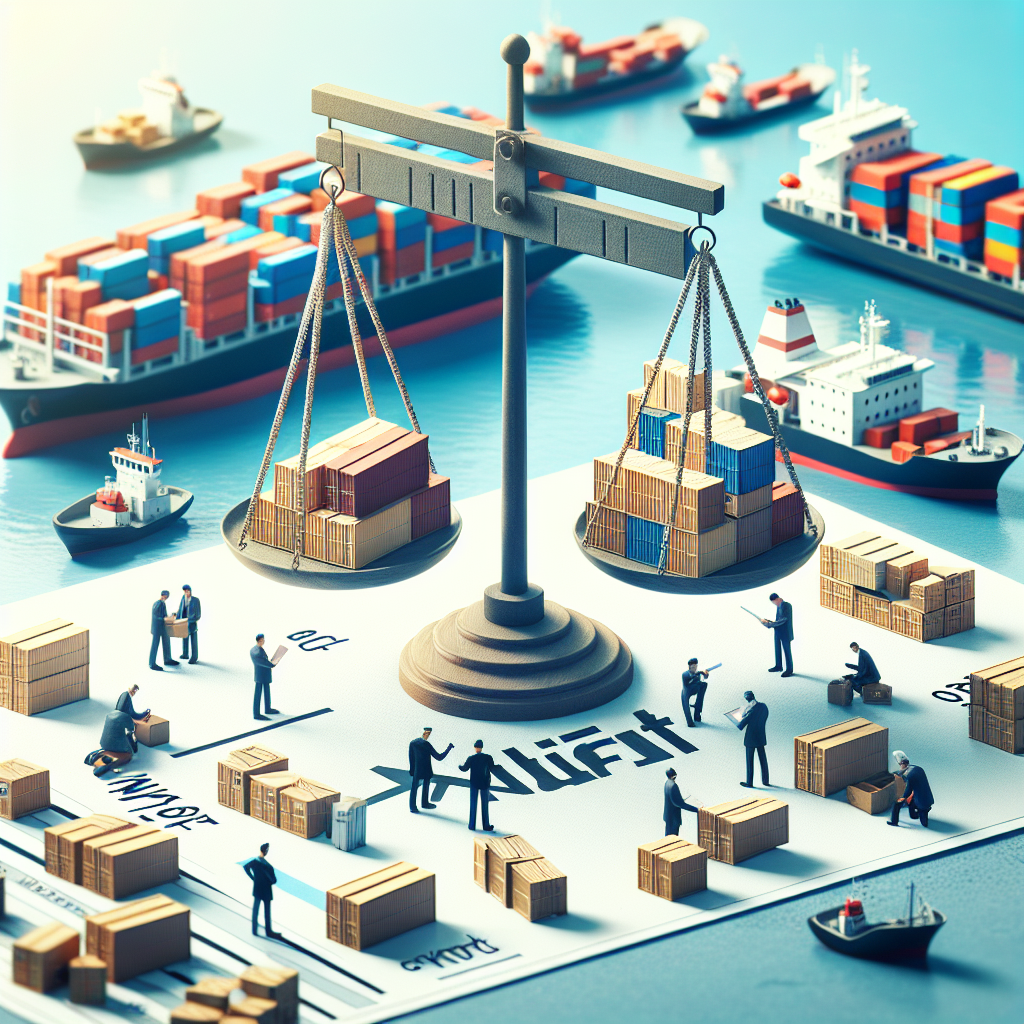
U.S. customs agents commenced the collection of President Donald Trump's newly imposed 10% tariffs on imports from multiple countries on Saturday. These tariffs, part of a broader strategy to revise global trade deals, indicate Trump's rejection of post-World War II tariff rates.
Kelly Ann Shaw, a former White House trade adviser, described the action as the most significant trade shift in recent times, predicting an evolution as countries negotiate lower rates. Stock markets have reacted sharply, with global indexes witnessing significant losses amid recession fears.
Countries like Australia, Britain, and China are bracing for the economic impact, with some initiating countermeasures. European, Chinese, and various other imports will face increased tariffs next week, signaling longstanding negotiations as nations respond strategically to America's economic overhaul.
ALSO READ
-
EU Firms Rethink Supply Chains as Geopolitical Risks Reshape Global Trade
-
Lee Jae Myung's Diplomatic Milestones: Balancing Amidst Global Tensions
-
Diplomatic Moves: Takaichi's UN Meeting with Trump
-
Trade War Chessboard: Agriculture, Energy, and Rare Earths in Focus
-
High-Stakes Diplomatic Dance: Trump and Xi's Crucial Summit


 Google News