

Sanctions and Countermeasures: A Tense Power Struggle Between China and the US
China plans to sanction US officials and NGO leaders over Hong Kong, escalating tensions following US sanctions in March. Beijing condemns US interference in Hong Kong, asserting rigorous countermeasures. The ongoing tit-for-tat reflects broader tensions in trade and governance amid rising geopolitical friction.
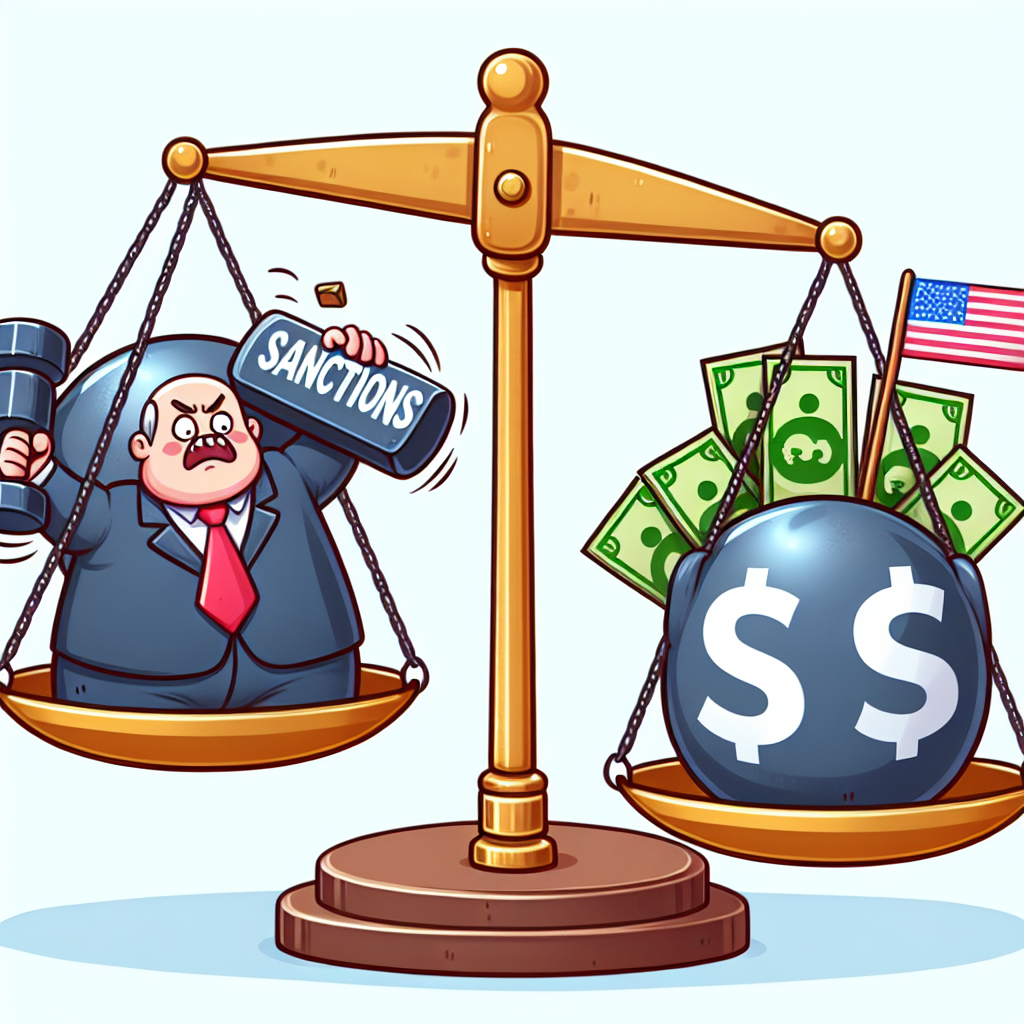
China has announced its decision to impose sanctions on US officials, lawmakers, and leaders of non-governmental organizations as a response to criticisms over Hong Kong-related issues. The foreign ministry declared this countermeasure following US sanctions in March against Chinese and Hong Kong officials accused of transnational repression impacting the city's autonomy.
Chinese Foreign Ministry spokesperson Guo Jiakun, during a statement in Beijing, condemned the US actions as 'despicable,' claiming they seriously interfered in Hong Kong's affairs and breached international law principles. The sanctions response aligns with China's anti-foreign sanctions law, although specific targets remain undisclosed.
This development marks the latest escalation in US-China relations, which have been tense due to ongoing trade conflicts and differing political ideologies. Historical context includes previous US sanctions during both the Trump and Biden administrations, targeting officials linked to undermining Hong Kong's political freedoms. The situation remains volatile as both nations maintain firm stances on the significance of their respective roles in Hong Kong's governance.
ALSO READ
-
ILO Report Reveals How to Bring Social Security Within Reach of Informal Workers
-
WTO Sets Up Panel on EU Carbon Border Rules as Russia Challenges Restrictions
-
WHO Brings Global Experts Together to Strengthen Herbal Medicine Quality and Safety
-
Human Cost of Faster Work: Chinese Employees Weigh AI’s Promise Against Pay Fears
-
China's August Disasters Yield $5.38 Billion in Losses


 Google News