

Standoff at SCO: India's Hard Stance on Terrorism
Defence Minister Rajnath Singh declined to sign the SCO joint communique due to its omission of India's concerns over Pakistan-backed terrorism. Singh stressed the need for accountability and criticized nations employing double standards on terrorism. The conclave ended without consensus, highlighting India's firm stance against terror activities.
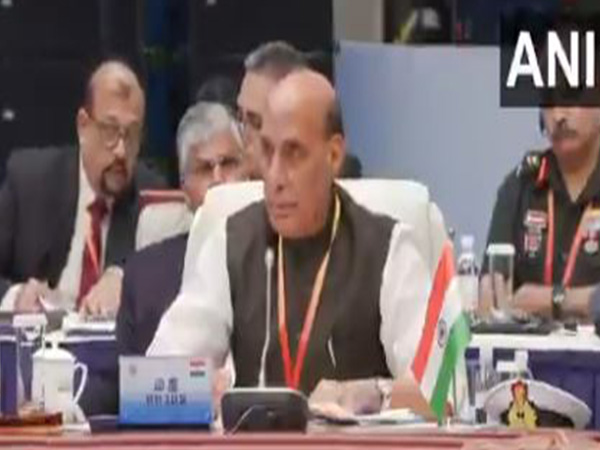
In a remarkable diplomatic standoff, Defence Minister Rajnath Singh on Thursday refused to endorse a joint communique at the Shanghai Cooperation Organisation (SCO) conclave, citing critical omissions pertaining to the Pahalgam terror attack and Pakistan-backed cross-border terrorism.
Sources at the event revealed that the communique failed to address India's concerns comprehensively, while Pakistan sought to divert attention towards Balochistan. Singh’s firm rejection underscores India's uncompromising policy against terrorism, demanding accountability for perpetrators and sponsors.
The absence of a consensus at the conclave, attended by defense leaders including China's Dong Jun, underscores the geopolitical tensions. Singh emphasized India's ongoing efforts to combat terrorism, including its proactive Operation Sindoor, while advocating for unity among SCO nations to fight terrorism devoid of double standards.


 Google News