

Statehood in Kashmir: Politics, Promises, and the Path Forward
National Conference President Farooq Abdullah emphasizes that statehood alone cannot halt terror attacks in Jammu and Kashmir. As the Supreme Court reviews statehood petitions, Abdullah stresses the need for improved neighborly relations. The government defends its statehood timeline, pointing to completed elections and ongoing situational assessments.
- Country:
- India
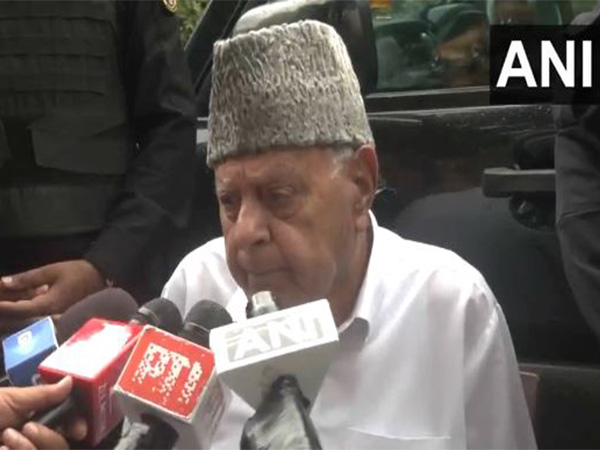
In a charged statement, National Conference president Farooq Abdullah asserted that the restoration of statehood in Jammu and Kashmir is not a panacea for curbing terror attacks in the region. Speaking after the Supreme Court emphasized the importance of the ground situation while deliberating on statehood petitions, Abdullah underscored that past incidents of violence occurred during the region's statehood era. He attributed cross-border relations as a crucial factor for peace.
Abdullah expressed optimism in the judicial process, highlighting that citizens hope the Supreme Court will uphold their rights in line with governmental promises. These comments came as the apex court, featuring a bench lead by CJI BR Gavai, acknowledged the need to consider regional incidents like the ones in Pahalgam during their statehood deliberation.
Solicitor General Tushar Mehta, representing the government, reiterated the Centre's intention to restore statehood post-elections, activated per constitutional assurance after the 2019 abrogation of Article 370. Mehta advised caution against disruption of the current proceedings, requesting additional weeks to finalize government instructions on the contentious issue.


 Google News