

Mohammed bin Salman: From Reformist Prince to Global Power Player
Crown Prince Mohammed bin Salman returns to the White House, aiming to reclaim global stature and demonstrate the benefits of his leadership. Despite past controversies, MbS is reshaping Saudi society, promoting peace initiatives, and reinforcing ties with key global players, positioning Saudi Arabia for economic and cultural transformation.
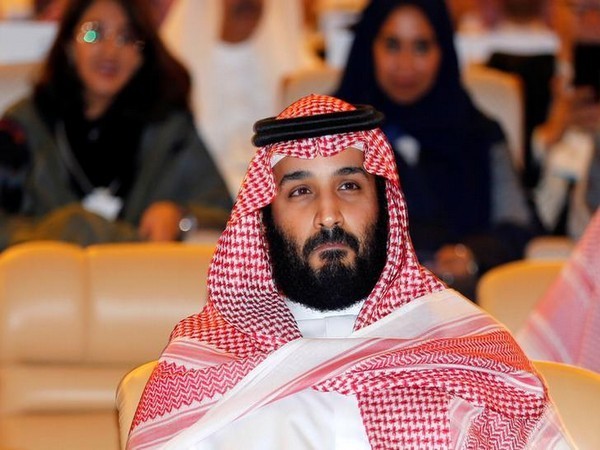
Crown Prince Mohammed bin Salman made a significant return to the White House on Tuesday, striving to redefine his image on the international stage post-Khashoggi incident, asserting that his leadership is advantageous to both Saudi Arabia and allies like the United States.
MbS's reign has been marked by profound domestic transformation, including unprecedented social reforms while maintaining a firm grip on power. Women now enjoy increased freedoms, and cultural events have reshaped Saudi Arabia's global image. However, this change comes with a strong emphasis on adherence to the crown prince's vision.
On the global front, MbS emerges robust post-Khashoggi, reinforcing the U.S-Saudi relationship through strategic interests, notably in energy, defense, and emerging technologies like AI, while his influence in global sports underscores Saudi Arabia's ambition for further global engagement.
ALSO READ
-
US Approves Potential Sale of F-35 Jets to Saudi Arabia, Shifting Middle Eastern Power Dynamics
-
Middle East Tensions Threaten Global Oil Supplies
-
Middle East Unrest: Yemen Crisis Fuels Oil Supply Fears
-
US Eyes Controversial F-35 Deal to Bolster Saudi Defense
-
Sky High Deal: US Approves F-35 Sale to Saudi Arabia


 Google News