

Saudi Arabia's Crown Prince: Reformer or Autocrat?
Crown Prince Mohammed bin Salman, after the Jamal Khashoggi incident, seeks to redefine his global image. He's driving social reforms in Saudi Arabia while consolidating power, blending modernity with autocracy. His leadership positions Saudi Arabia as a critical player aligned with global interests, particularly in energy and technology.
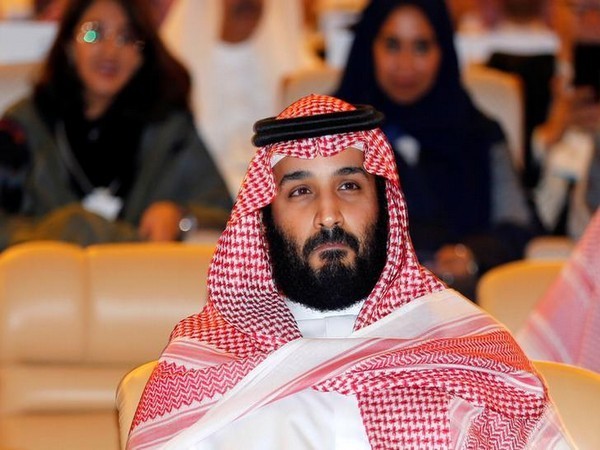
Crown Prince Mohammed bin Salman (MbS) is redefining Saudi Arabia's global position following the controversial killing of journalist Jamal Khashoggi. During his first visit to the White House since the incident, MbS aims to prove to President Donald Trump that his robust leadership is justified, seeking to solidify his influence on the world stage.
Domestically, the prince has dismantled decades-old social codes, granting women new freedoms, hosting international stars, and painting Saudi Arabia as a modern, forward-thinking nation. However, his leadership also quashes dissent, intertwining reform with a tightening grip on power, underscoring loyalty to his rule as a prerequisite for modernization.
Globally, MbS's leadership coincides with pivotal economic transformations; his connections with Western leaders focus heavily on energy and technology sectors. Despite the shadow of the Khashoggi incident, his vision is guiding Saudi Arabia into a new era marked by a strategic alliance with the United States and leadership in the global sports domain.
ALSO READ
-
US Approves Potential Sale of F-35 Jets to Saudi Arabia, Shifting Middle Eastern Power Dynamics
-
Middle East Tensions Threaten Global Oil Supplies
-
Middle East Unrest: Yemen Crisis Fuels Oil Supply Fears
-
US Eyes Controversial F-35 Deal to Bolster Saudi Defense
-
Sky High Deal: US Approves F-35 Sale to Saudi Arabia


 Google News