

U.S. Seizes Maduro: A Shift in Global Oil Politics
The capture of Venezuelan leader Nicolas Maduro by the United States impacts global oil politics, reducing Russia's influence while possibly increasing American clout. Moscow criticizes the move but finds strategic benefits in Trump's division of global spheres of influence. The incident revives debates on the Monroe Doctrine and geopolitical power dynamics.
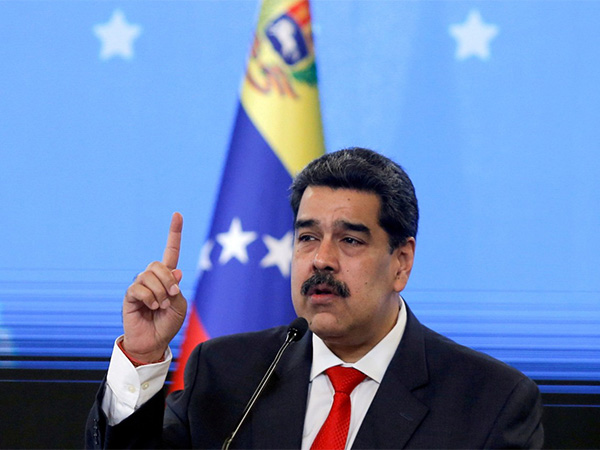
The United States' capture of Venezuelan leader Nicolas Maduro represents a significant geopolitical shift, particularly in global oil politics. The move deals a substantial blow to Russia's network of international allies, reducing its leverage while potentially boosting U.S. influence.
Though strategically problematic for Russia, the situation is not without its strategic advantages. Moscow sees Trump's division of global spheres of influence, likened to a modern-day Monroe Doctrine, as a potential opportunity to secure its interests elsewhere, despite Russian nationalists' criticism of losing a key ally.
The U.S. operation in Venezuela has revived historical debates on geopolitical power plays. While Russia grapples with the loss, there are broader implications for future international relations and energy market dynamics.


 Google News