

Great Barrier Reef hit by bleaching as UNESCO weighs "in danger" listing
The Great Barrier Reef Marine Park Authority said in a weekly update most of the marine park had been hit by "significant heat stress" over the summer, with water temperatures in some areas as much as 2-4 degrees Celsius above average. "Bleaching has been detected across the Marine Park - it is widespread but variable, across multiple regions, ranging in impact from minor to severe," the agency said in an update on its website https://www.gbrmpa.gov.au/the-reef/reef-health.
- Country:
- Australia
The Great Barrier Reef has been hit by bleaching due to heat stress, the Australian agency that manages the reef said on Friday, ahead of a visit by United Nations officials reviewing whether the reef should be listed as being "in danger".
Australia last year dodged an "in danger" listing for the reef, a World Heritage site, for a second time, after heavy lobbying by Canberra led UNESCO to postpone a decision to this year. The Great Barrier Reef Marine Park Authority said in a weekly update most of the marine park had been hit by "significant heat stress" over the summer, with water temperatures in some areas as much as 2-4 degrees Celsius above average.
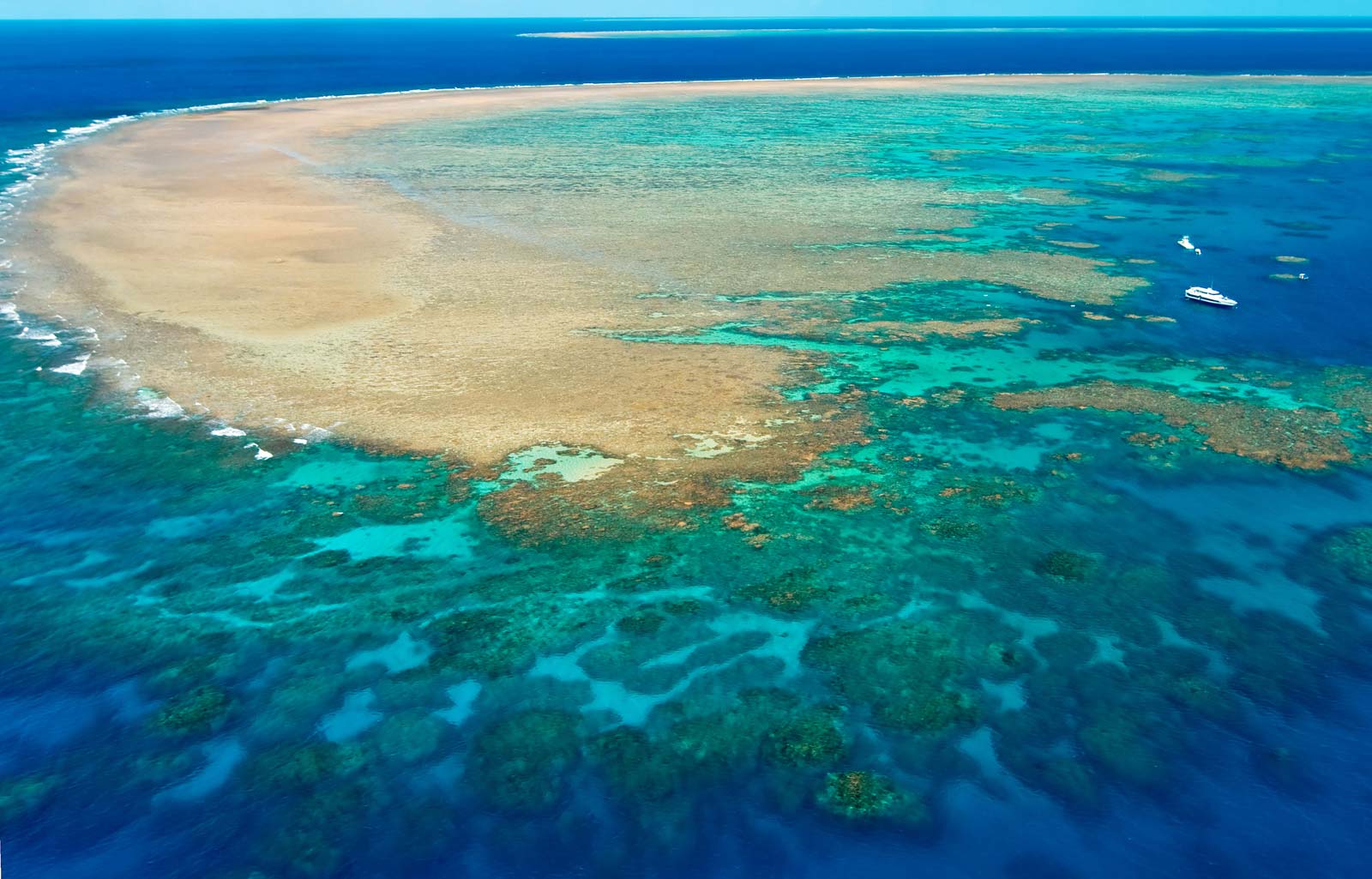
"Bleaching has been detected across the Marine Park - it is widespread but variable, across multiple regions, ranging in impact from minor to severe," the agency said in an update on its website https://www.gbrmpa.gov.au/the-reef/reef-health. Aerial surveys showed whole colonies of coral had been bleached white in several locations, and in some sections there were reports of corals dying, it said.
"Corals across the Marine Park remain vulnerable to the ongoing elevated temperatures," the authority said. UNESCO experts will be in Australia for 10 days from March 21 to meet scientists, regulators, policymakers from the Australian and Queensland state governments, and members of the public, a federal environment department spokesperson said.
The team will report to the UNESCO World Heritage Committee, which is due to meet in June. Australia's conservative government has come under fire for not doing enough to save the world's most extensive coral reef, even though it boosted spending to improve water quality, reef monitoring and habitat protection by A$1 billion ($738 million) this year.
While investing in those programmes, Canberra has set less ambitious targets to curb carbon emissions, blamed for causing the warming of the oceans, by 2030 than the United States, Britain and European Union. "Only urgent action on climate change will give the reef a chance to survive," Australian Conservation Foundation CEO Kelly O'Shanassy said in a statement.
($1 = 1.3537 Australian dollars)


 Google News