

Storm Chasers Find Pineapple-Sized Hailstones: Are Hailstorms Getting Worse?
In June 2024, a storm chaser found pineapple-sized hailstones in Texas, sparking discussions on worsening hailstorms. Atmospheric scientists link larger hailstones to climate change, with more warm, humid air and unstable air masses. This article explores hail formation, its destructive impact, and safety tips during hailstorms.
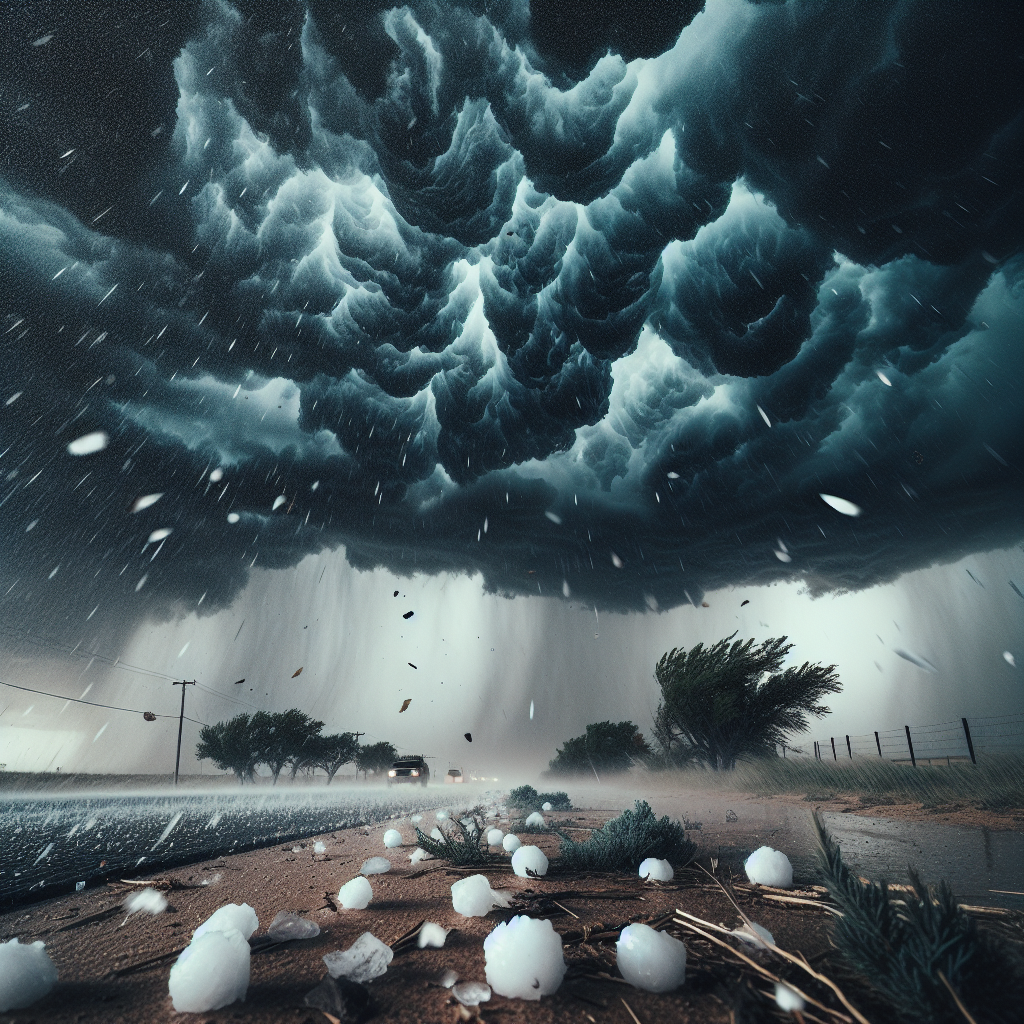
NEW YORK, Jun 27 (The Conversation) — In a stunning discovery, a storm chaser found a hailstone almost the size of a pineapple in Johnson City, Texas, in June 2024. This remarkable event has reignited discussions about whether hailstorms are getting worse.
Atmospheric scientists, such as Brian Tang from the State University of New York, point to climate change as a contributing factor. According to Tang, increasing amounts of warm, humid air and unstable air masses are creating conditions favorable for producing larger hailstones. This phenomenon has been observed in parts of the central and eastern U.S. since 1979.
The implications of larger hailstones are significant, with increased property damage and insured losses. Tang highlights safety measures for those caught in hailstorms, including seeking sturdy shelter and understanding insurance coverage to mitigate the aftermath's stress.
ALSO READ
-
Mozambique Shapes New Climate Strategy to Protect Communities From Extreme Weather
-
Climate Change Is Deepening the Crisis for Millions Living Without a Nationality Today
-
Tunisia’s Water Crisis Puts Jobs and Growth at Risk as Economic Recovery Loses Speed
-
Climate Data Gaps Leave Communities Searching for Clear Answers to Growing Local Risks
-
Marshall Islands Rights Defenders Seek Justice Across Generations, UN Expert Says


 Google News