

Antarctic Flora: Surviving in a Changing Climate
A tiny seed found in Antarctica symbolizes how life is adapting to climate change. Warmer temperatures are melting glaciers, creating new land colonized by resilient plant species. Researchers have mapped 44.2 km² of vegetation, highlighting the rapid ecological changes in this last wilderness, with substantial implications for global climate patterns.
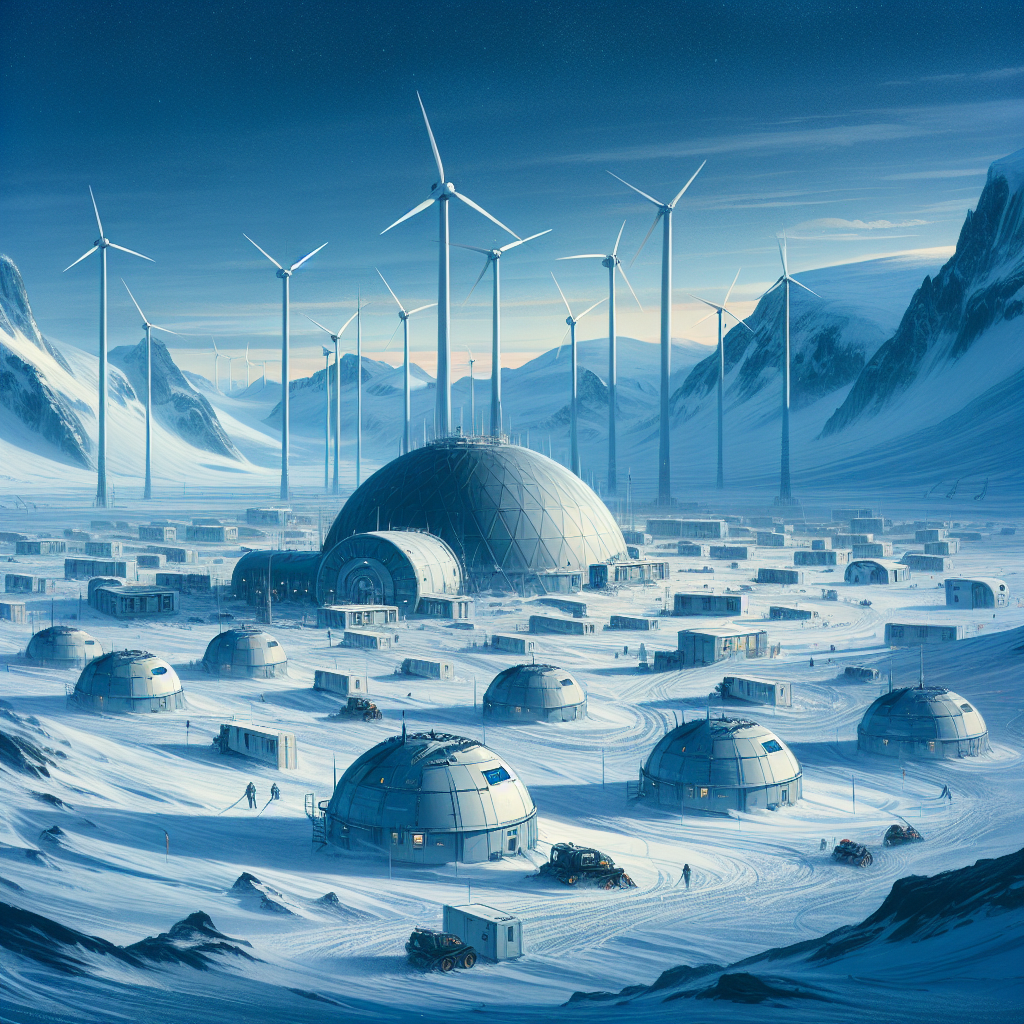
In the frigid expanse of Antarctica, a tiny seed has found a precarious foothold between gravel and sand. Isolated and surrounded by towering ice walls, its existence symbolizes the struggle for survival in one of Earth’s last untouched wildernesses.
Tourists unknowingly brought the seed here years ago, and as the climate warms, glaciers melt. This meltwater is fostering new life, transforming Antarctica from a barren landscape to a budding ecosystem. Pioneer organisms like algae and cyanobacteria begin the colonization, followed by mosses and lichens. These hardy plants pave the way for more complex vegetation.
Research indicates significant ecological shifts. Scientists, using satellite data, mapped 44.2 km² of green vegetation on the Antarctic continent, primarily in the Antarctic Peninsula. Lead scientist Charlotte Walshaw emphasizes the importance of these maps for tracking vegetation changes, crucial for future conservation efforts. The rapid development of new plant species in Antarctica could have profound impacts on global climate and weather patterns.


 Google News