

Meteorites: Earth's Fertilizers & Space Diplomacy Unveiled
A giant meteorite that struck Earth 3.26 billion years ago may have functioned as a 'fertilizer bomb,' aiding early life evolution. Concurrently, US and China engage in talks over moon rock samples, while Colombian scientists create a bee-protecting supplement against harmful pesticides, highlighting significant scientific advancements.
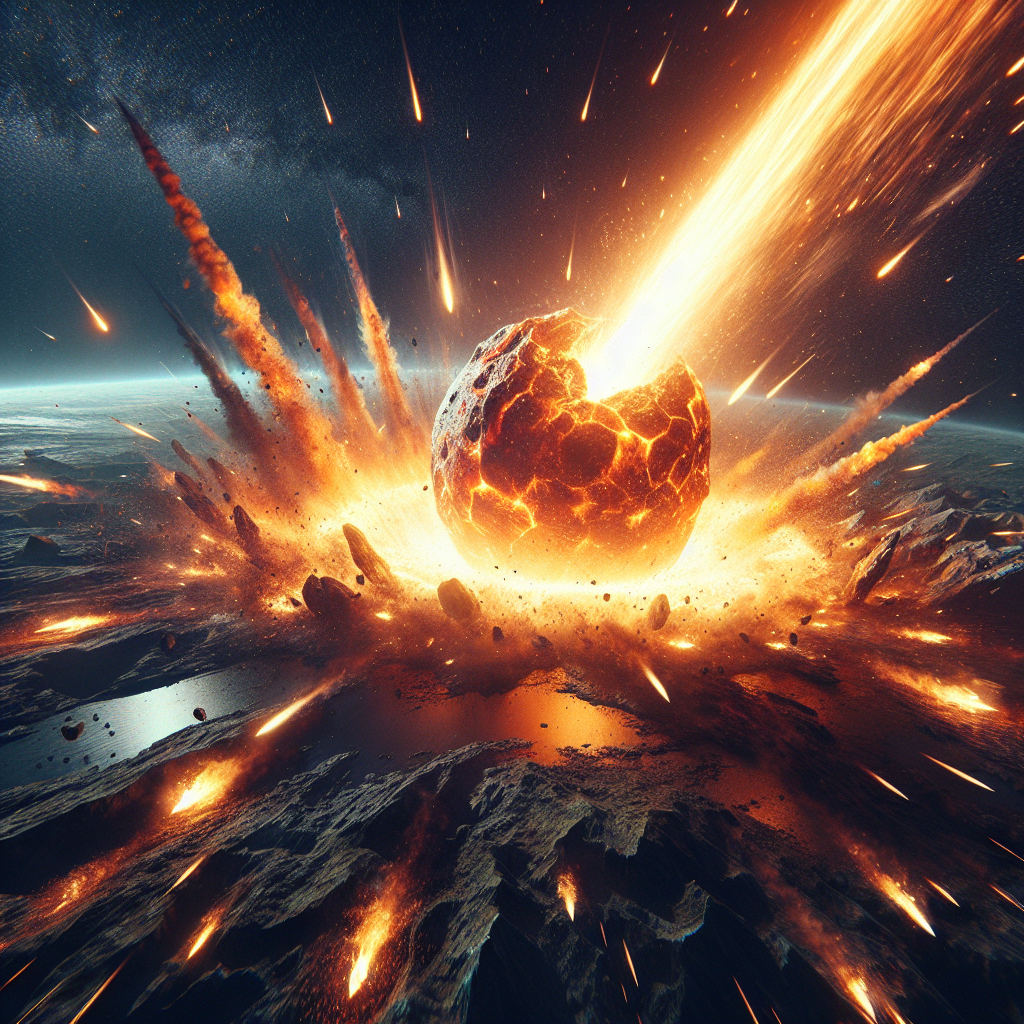
A mammoth meteorite that hit Earth 3.26 billion years ago, far exceeding the size of the one that obliterated the dinosaurs, might have fostered the evolution of early life. Recent research suggests it acted as a 'giant fertilizer bomb,' enriching the planet with phosphorus and iron for ancient microbes.
In a rare space diplomacy move, NASA and China are discussing cooperation over lunar samples from the moon's far side. This initiative follows China's successful retrieval of rocks, sparking international interest and showcasing its escalating space capabilities. Nonetheless, U.S. legal constraints remain an obstacle.
Colombian scientists have innovated a vital supplement to shield bees from the neurotoxic effects of pesticides. This development aims to safeguard these crucial pollinators, essential for ecological health and food supply, against the growing threat of agricultural chemicals.


 Google News