

Myanmar's Earthquake Catastrophe: Battling Disease amid Devastation
Extreme weather in Myanmar complicates rescue efforts after a deadly earthquake, with a rising risk of disease outbreaks among survivors. The quake severely damaged healthcare facilities, increasing fear of cholera. Relief efforts face further challenges as unseasonal rain and civil conflict persist.
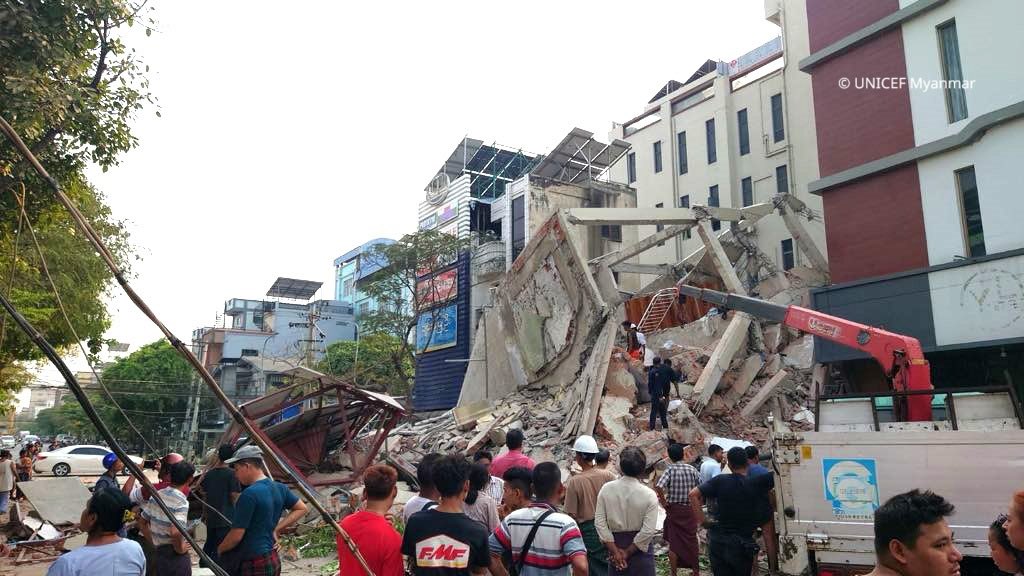
Myanmar faces a growing humanitarian crisis as extreme heat and heavy rain heighten the risk of disease among earthquake survivors. Global aid organizations warn of potential disease outbreaks, particularly cholera, in areas lacking adequate shelter and healthcare, exacerbating existing rescue efforts.
The 7.7-magnitude earthquake that struck last week devastated communities in a region home to 28 million people. Buildings, including hospitals, were destroyed, leaving thousands injured and missing. Aid supply chains are strained as Myanmar deals with ongoing civil strife and international isolation.
Weather complications are anticipated to worsen the situation. Relief workers face mounting challenges due to expected unseasonal rainfall, which threatens already compromised areas, posing dangers of waterborne diseases. Amid political and humanitarian turmoil, efforts continue to deliver crucial aid to those affected.
ALSO READ
-
Myanmar’s Child Labour Trap: Rural Poverty and Education Gaps Threaten a Generation’s Future
-
High-Stakes Diplomacy: U.S. Secures Release of Adam Castillo from Myanmar
-
US Officials Secure Release of Citizen from Myanmar
-
Pennsylvania's Measles Crisis: A Public Health Standoff
-
Magnitude 6.3 Earthquake Jolts Nikolski, Alaska


 Google News