

Government Injects $97 Million into 32 Flood Resilience Projects Nationwide
“Flooding doesn’t just damage roads, pipes, and power poles – it disrupts communities, livelihoods, and local economies,” said Minister Jones.
- Country:
- New Zealand
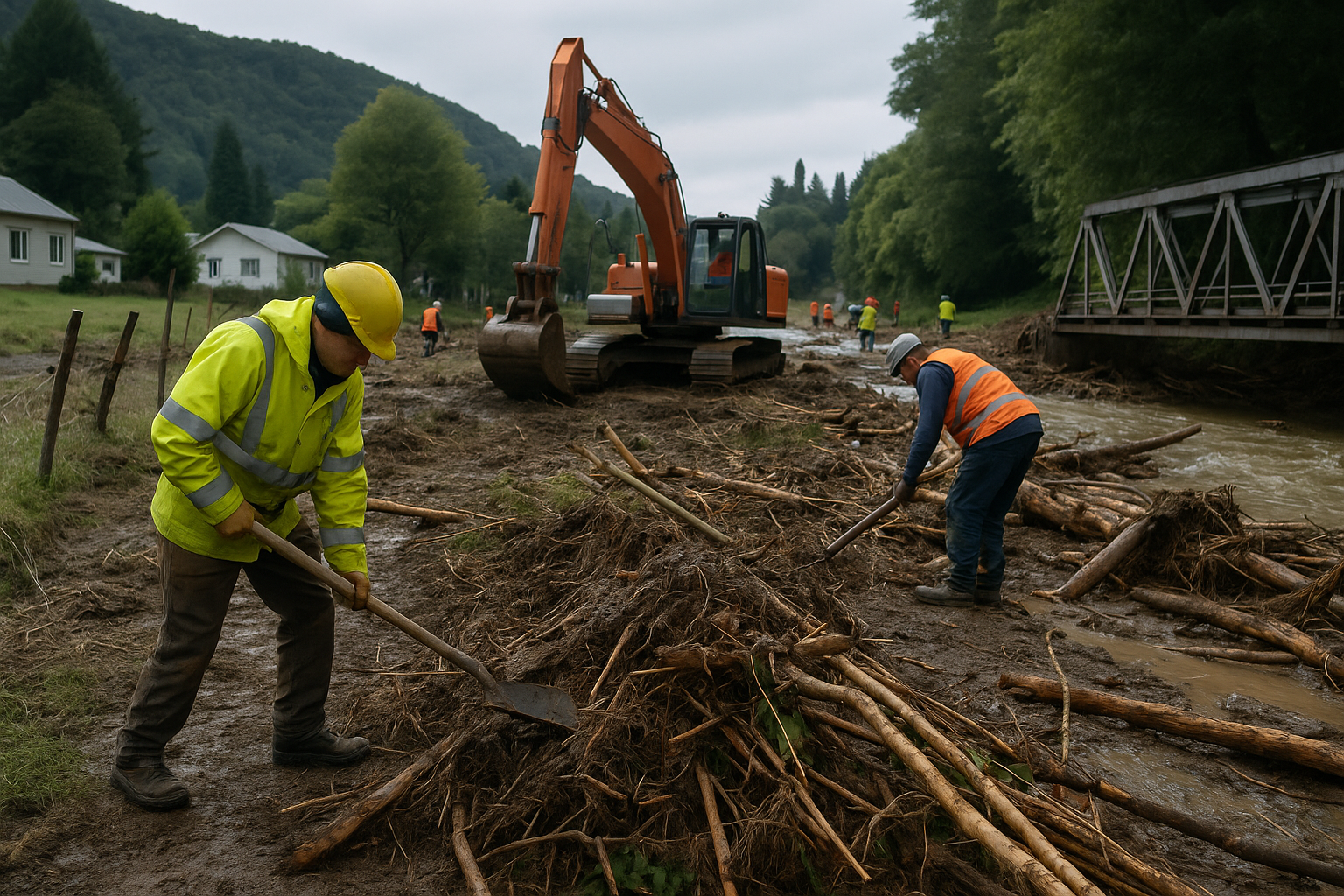
The New Zealand Government has announced a $97 million investment into 32 flood resilience projects across the country, marking a significant step in protecting communities from the increasing threat of extreme weather events. The initiative, unveiled by Regional Development Minister Shane Jones, is part of the Regional Infrastructure Fund (RIF) and will help safeguard more than 30,000 homes and 350,000 hectares of land from flooding.
"Flooding doesn't just damage roads, pipes, and power poles – it disrupts communities, livelihoods, and local economies," said Minister Jones. "This second tranche of flood resilience funding from the RIF represents the Government's commitment to equipping our regions with the protections needed to weather storms and bounce back quicker."
South Island Prioritized for Critical Infrastructure
Of the 32 new projects, 22 are located in the South Island, where repeated flooding and severe weather have exposed the fragility of local infrastructure. The Government's focus on these regions follows extensive recovery efforts after major flood events in areas such as Tasman, Marlborough, and Southland.
"We've recognised the urgency of these investments," Jones explained. "That's why we've doubled down on regions like Tasman, where recent flooding has demonstrated both our vulnerability and the extensive cost of recovery."
The projects, he added, are not just about protection—they are also about resilience and economic continuity, ensuring communities can recover faster and sustain livelihoods in the face of climate-driven disasters.
Delivering Proven Results Across the Country
The Regional Infrastructure Fund's flood resilience initiatives have already delivered tangible benefits. Since August 2024, the RIF has committed nearly $200 million across 74 flood resilience projects, benefiting regional communities nationwide.
Jones highlighted several success stories that demonstrate the economic and social impact of these investments:
-
In Spring Creek (Marlborough), early RIF-funded works prevented what could have been catastrophic damage during the latest South Island floods.
-
In Motueka, flood infrastructure funded by the Government spared the township from being inundated, protecting homes, businesses, and vital transport links.
-
In Taradale, a $4 million flood protection investment during Cyclone Gabrielle saved an estimated $7 billion in potential damages — a striking example of how preventative infrastructure delivers exponential returns.
"These are not just smart investments; they're common sense," said Jones. "Every dollar spent on resilience saves lives, livelihoods, and billions in recovery costs down the line."
Cost-Sharing to Strengthen Local Partnerships
The funding model for this second tranche maintains a cost-sharing structure, with the Government covering 60% of project costs and local authorities contributing 40%. This partnership approach ensures local communities have both input and ownership in shaping their flood defences.
Included within the tranche is a $7.46 million allocation to install early warning flood systems across ten councils nationwide. These advanced systems will provide real-time monitoring and alerts, allowing emergency services and residents to respond more quickly to rising water levels.
Building Resilient Communities for the Future
The 32 projects represent a mix of riverbank reinforcement, stopbank construction, drainage improvements, wetland restoration, and flood monitoring systems — all tailored to regional needs. Work is expected to commence over the coming months, with many local authorities already in the planning and procurement stages.
"These are pragmatic and high-impact investments that will make a real difference," said Jones. "I look forward to seeing progress as work gets underway and communities start to experience the benefits of this investment in their future."
An Ongoing National Commitment to Resilience
The flood resilience programme is part of the Government's wider effort to strengthen regional infrastructure, stimulate local economies, and reduce the long-term social and financial costs of disasters. The initiative complements other national projects focused on adaptation, infrastructure renewal, and emergency preparedness.
Jones reaffirmed the Government's long-term vision: "We're not just rebuilding after storms — we're building the kind of country that can withstand them. Every stopbank, sensor, and floodgate we install is a step toward a stronger, safer New Zealand."
For more details about the second tranche of flood resilience projects, visit www.growregions.govt.nz.


 Google News