

NASA's Perseverance: Unveiling Organic Carbon Mysteries on Mars
NASA's Perseverance rover is providing insights into organic carbon found on Mars, a key component for life as we know it. The recent study of a Martian sedimentary rock suggests potential biosignatures of past microbial life. This significant discovery was made in Jezero Crater, billions of years old.
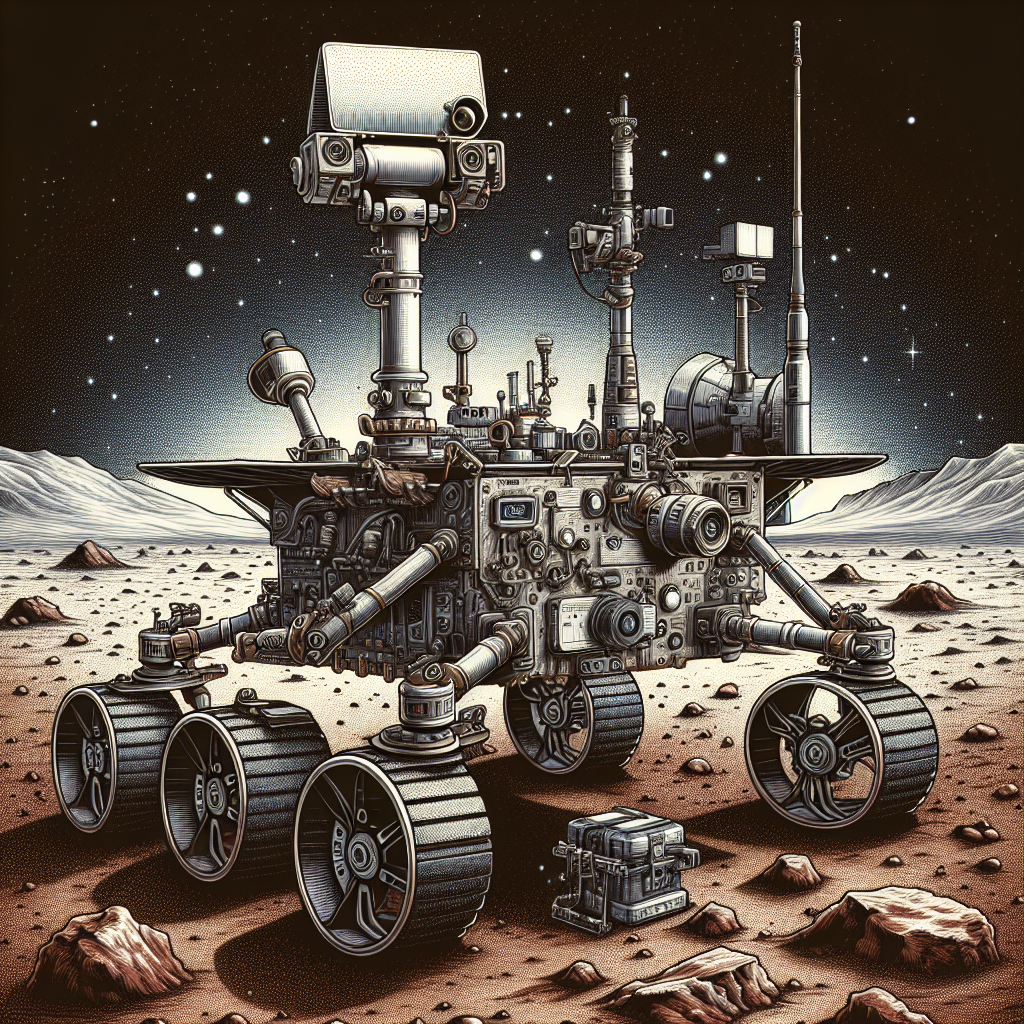
NASA's Perseverance rover is taking a significant step forward in the search for signs of past life on Mars by examining organic carbon structures. The discovery of organic carbon molecules, the essential backbone for all known organisms, is bringing scientists closer to understanding the Martian environment. The rover's analysis of a sedimentary rock in Jezero Crater reveals potential biosignatures, indicating that the Red Planet may have once harbored microbial life.
In an exciting development, the researchers uncovered that the mudstone rock examined could date back to between 3.2 and 3.8 billion years, a period when the crater was submerged under a now-evaporated water body. These findings suggest that Mars's environment may have been conducive to life in the distant past, providing a window into the planet's geological and potentially biological history.
This research marks a pivotal moment in planetary exploration, offering a glimpse into the complexities of extraterrestrial organic chemistry and its implications for our understanding of life's existence beyond Earth.


 Google News