

Energy Crisis Forces Bangladesh's Textile Sector to Seek Sustainable Solutions
Bangladesh's crucial textile sector, employing 4 million people and contributing significantly to GDP, faces energy challenges due to gas supply shortfalls and a terminal fire. Industry leaders are exploring alternative fuels and sustainable technologies to ensure energy security and maintain production capabilities.
- Country:
- Bangladesh
By Md. Tahmid Zami DHAKA, Aug 8 (Thomson Reuters Foundation) - Bangladesh's critical textile sector is grappling with high energy costs, exacerbated by a recent fire at a gas import terminal. This incident has highlighted the sector's energy vulnerability, prompting urgent searches for alternative fuel sources.
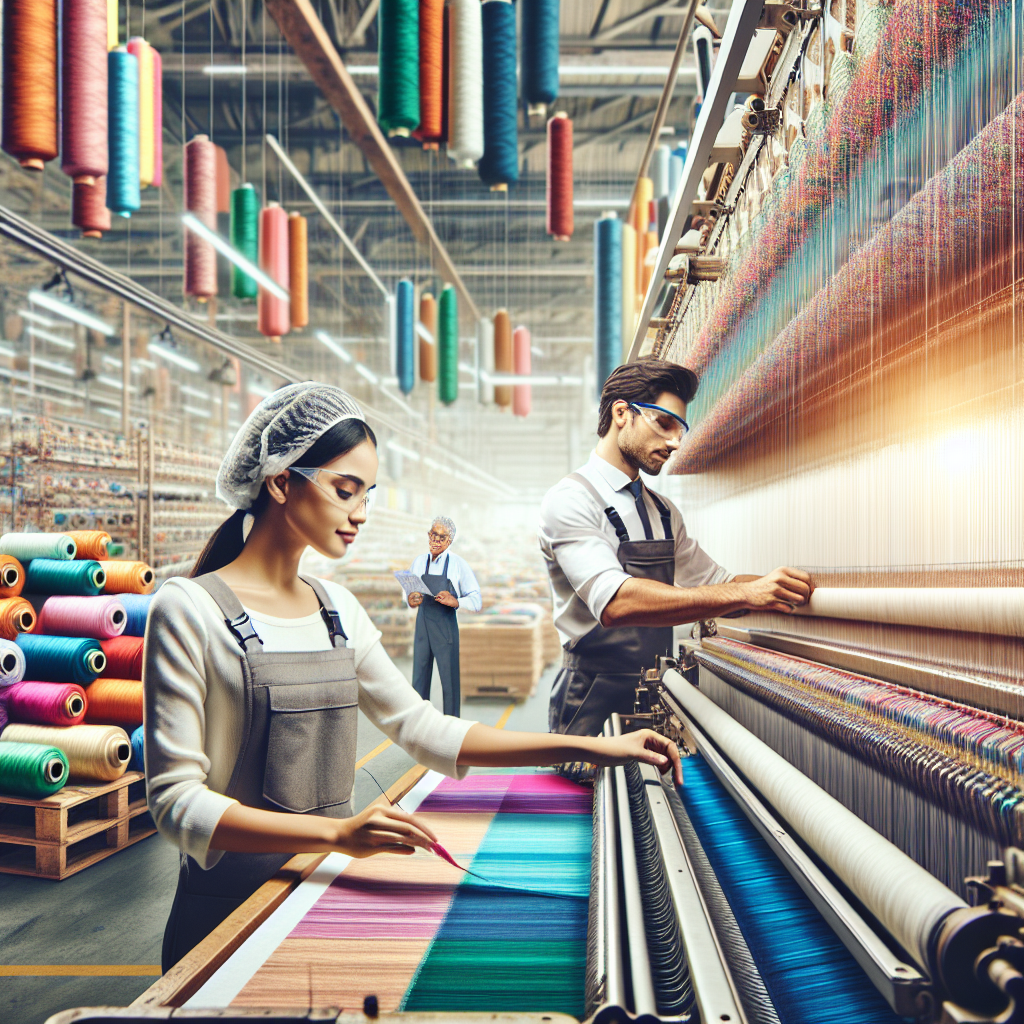
With the textile industry employing about 4 million individuals, it plays a pivotal role in Bangladesh's economy, accounting for a significant portion of exports and GDP. However, the sector's reliance on gas for operations like washing and dyeing is problematic amid ongoing supply shortfalls.
Industry leaders are now looking towards solutions such as biomass and electrification. Despite some factories exploring these alternatives, the transition is challenged by infrastructure limitations and the need for substantial investment. Calls for government support to enhance energy efficiency and promote renewable resources continue to grow.


 Google News