

Trump's Auto Tariff Shake-Up: Repercussions on the U.S. Economy
The U.S. auto industry faces potential tariff-induced cost and inflationary challenges, exacerbating pandemic-era supply chain issues. Trump's import tax could spike car prices, complicating consumer spending and production. Experts warn of significant economic impact, affecting U.S. manufacturing, inflation rates, and consumer purchasing power.
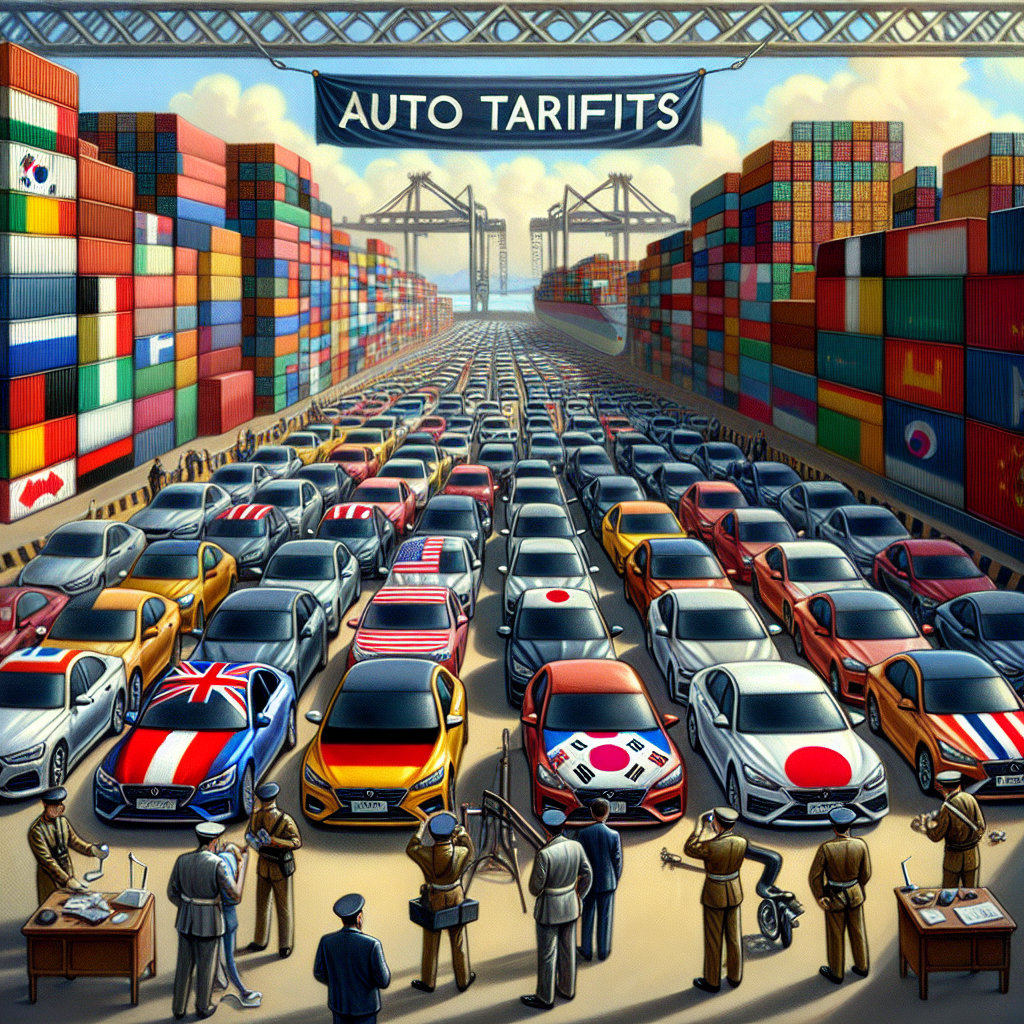
The automotive industry in the U.S. is bracing for significant economic impact as President Donald Trump considers imposing a 25% tariff on imported vehicles. This move could exacerbate the inflation already fueled by the pandemic-induced supply chain disruptions.
Experts highlight that vehicle prices, stretched consumers, and rising auto loan delinquencies could see further strain. Cornell University's Art Wheaton warns of immediate price hikes and supply chain disturbances, estimating a potential $10,000 to $20,000 increase in vehicle costs.
Economists, including JP Morgan's Michael Feroli, project a rise in inflation rates and a hit to consumer spending, potentially lowering economic growth. The Fed remains vigilant, with discussions on potential monetary policy shifts as the tariffs take hold.
ALSO READ
-
EU Firms Rethink Supply Chains as Geopolitical Risks Reshape Global Trade
-
Lee Jae Myung's Diplomatic Milestones: Balancing Amidst Global Tensions
-
Diplomatic Moves: Takaichi's UN Meeting with Trump
-
Trade War Chessboard: Agriculture, Energy, and Rare Earths in Focus
-
High-Stakes Diplomatic Dance: Trump and Xi's Crucial Summit


 Google News