

ADB Approves $60M for Ulaanbaatar’s First BRT System to Cut Traffic and Emissions
“The new BRT will be the first system of its kind in Ulaanbaatar, offering passengers a high-quality public transport service,” said Shannon Cowlin, ADB Country Director for Mongolia.
- Country:
- Mongolia
The Asian Development Bank (ADB) has approved a $60 million loan to support Mongolia's efforts to modernize urban mobility in Ulaanbaatar through the construction of the city's first-ever bus rapid transit (BRT) corridor. The assistance package also includes a $500,000 grant from the Innovative Finance Facility for Climate in Asia and the Pacific (IF-CAP), reflecting strong alignment with the region's climate priorities.
A Major Step Toward Cleaner, Faster, and More Efficient Transport
"The new BRT will be the first system of its kind in Ulaanbaatar, offering passengers a high-quality public transport service," said Shannon Cowlin, ADB Country Director for Mongolia.
"We hope it will encourage a shift from private vehicles to public transport, easing congestion, supporting economic activity, and reducing air pollutant emissions."
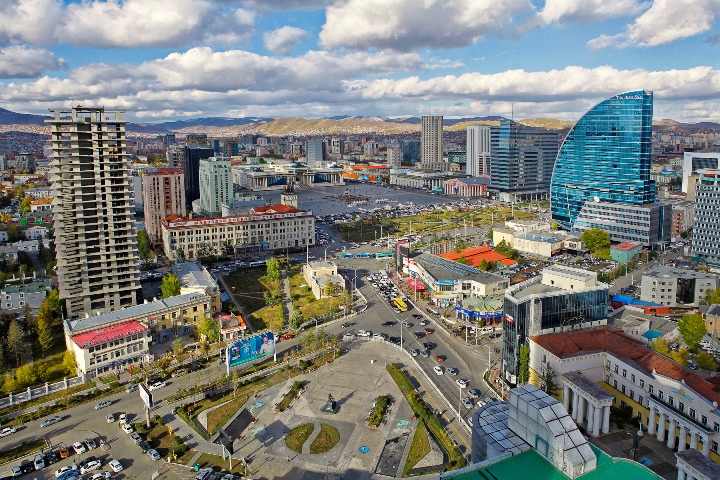
The project comes as the city struggles with fast-rising vehicle numbers, severe traffic congestion, and diminishing transport efficiency. Ulaanbaatar's afternoon peak-hour traffic slows public buses to under 10 km/hour, creating:
-
Lost productivity
-
Increased travel times
-
Poor reliability of public transport
-
Higher greenhouse gas and pollutant emissions, due to the dominance of diesel-powered buses
What the BRT System Will Deliver
The Ulaanbaatar Transport Improvement Project will design and construct a modern BRT corridor featuring:
-
Median-aligned dedicated bus lanes to avoid mixed traffic delays
-
Off-board fare collection for faster boarding
-
Universally accessible stations for people with disabilities and the elderly
-
Traffic signal priority at intersections to reduce delays
-
Improved streetscapes, including bike lanes and pedestrian facilities
-
Infrastructure aligned with international best practices in urban mobility
The new BRT is expected to:
-
Improve travel reliability and speed for commuters
-
Act as the backbone of an upgraded public transport system
-
Reduce private car dependency
-
Decrease carbon and particulate emissions
-
Enhance safety and the quality of the urban environment
Supporting Mongolia's Climate and Development Goals
The BRT initiative reinforces:
-
ADB's Country Partnership Strategy for Mongolia (2025–2028), which prioritizes sustainable, inclusive, and climate-resilient urban development
-
Mongolia's Nationally Determined Contribution (NDC) under the UN Framework Convention on Climate Change, which commits to reducing greenhouse gas emissions by 22.7% by 2030 under a business-as-usual trajectory
By promoting cleaner transport and reducing congestion, the project will make a meaningful contribution to Mongolia's climate targets.
Why Ulaanbaatar Needs the BRT Now
Ulaanbaatar—home to nearly half of Mongolia's population—faces chronic mobility challenges:
-
Rapid urbanization
-
Increasing vehicle ownership
-
Limited road capacity
-
Outdated traffic management systems
-
High levels of air pollution, especially in winter
The BRT corridor will become a transformational investment, supporting long-term improvements in mobility, air quality, and economic productivity.
Looking Ahead: A More Sustainable Urban Future
With ADB's support, Ulaanbaatar is set to join global cities that have successfully adopted BRT systems as cost-effective, high-impact solutions for:
-
Reducing emissions
-
Improving transport efficiency
-
Encouraging sustainable urban growth
-
Enhancing access to jobs, services, and education
The BRT project represents a major milestone in Mongolia's effort to build climate-smart infrastructure, strengthen urban resilience, and improve quality of life for millions of residents.


 Google News