

Supreme Court Overturns Trump's Sweeping Tariffs Using IEEPA
The U.S. Supreme Court struck down significant tariffs imposed by President Trump under the International Emergency Economic Powers Act (IEEPA). While many remain, Trump's use of IEEPA to enforce 'Liberation Day' and other tariffs has been curtailed, altering trade dynamics with various countries, including China, Brazil, and India.
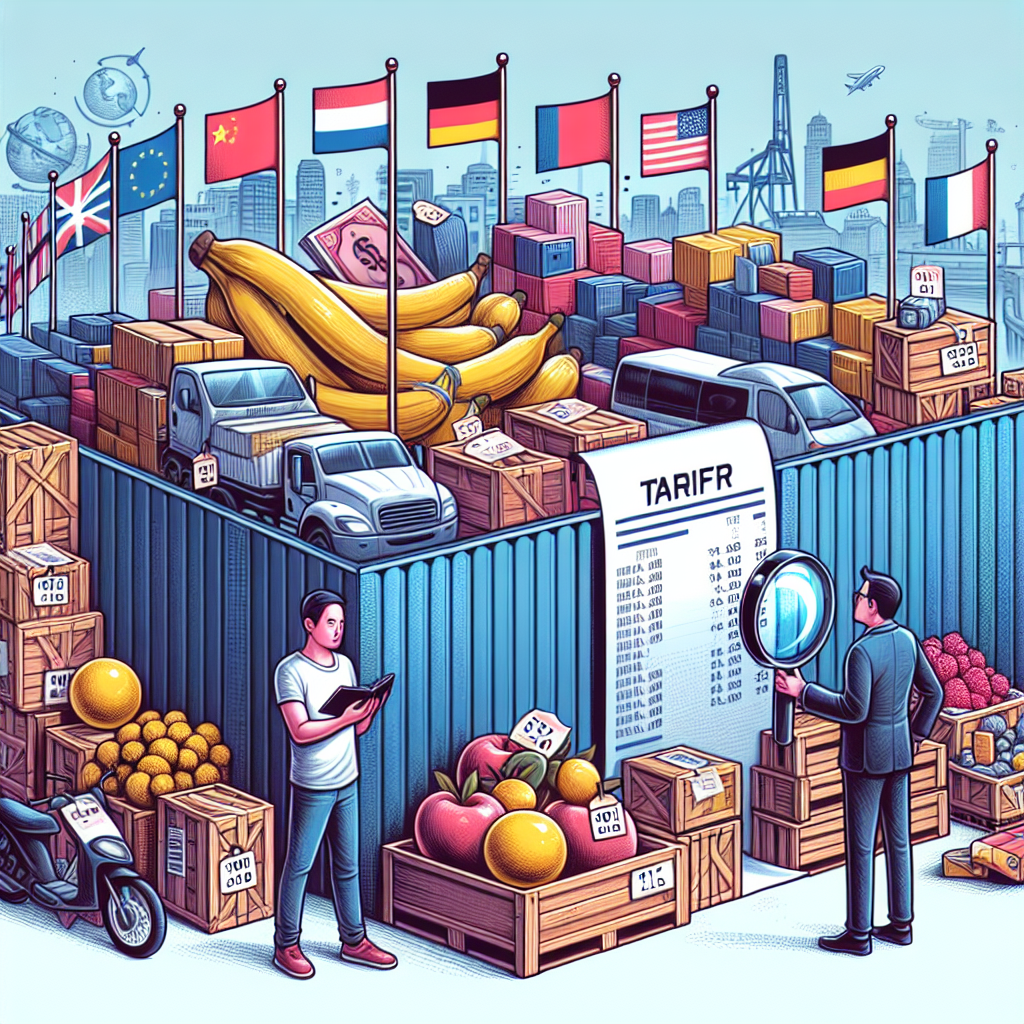
The United States Supreme Court has invalidated some of President Donald Trump's most comprehensive tariffs, deeming his use of an emergency powers law to justify these taxes as an overreach. The decision, passed with a 6-3 majority, specifically targets tariffs established under the International Emergency Economic Powers Act (IEEPA), a move that challenges Trump's aggressive tariff strategies.
Despite the ruling, tariffs remain on various sectors, and President Trump retains avenues to continue imposing import taxes. Trump's 'Liberation Day' tariffs impacted global trading partners like the European Union, South Korea, and Japan. Furthermore, the 'trafficking tariffs' on Canada, China, and Mexico addressed trade disparities and illicit trafficking, while tariffs on Brazil and India addressed specific political and economic concerns.
Non-IEEPA tariffs, enacted under other legislations like the 1962 Trade Expansion Act's Section 232, remain in effect on materials such as steel and aluminum. While some tariffs have been rolled back, President Trump remains poised to enact further sector-specific import taxes amid ongoing trade discussions and national security considerations.
ALSO READ
-
EU Firms Rethink Supply Chains as Geopolitical Risks Reshape Global Trade
-
Lee Jae Myung's Diplomatic Milestones: Balancing Amidst Global Tensions
-
Diplomatic Moves: Takaichi's UN Meeting with Trump
-
Trade War Chessboard: Agriculture, Energy, and Rare Earths in Focus
-
High-Stakes Diplomatic Dance: Trump and Xi's Crucial Summit


 Google News