

Global Aviation Chaos After Middle East Tensions
Recent airstrikes in the Middle East have caused unprecedented disruption, closing major airports like Dubai, Abu Dhabi, and Doha. The airspace closures led to thousands of flight cancellations, impacting global air travel routes. Airlines faced increased fuel costs and logistical challenges due to restricted corridors.
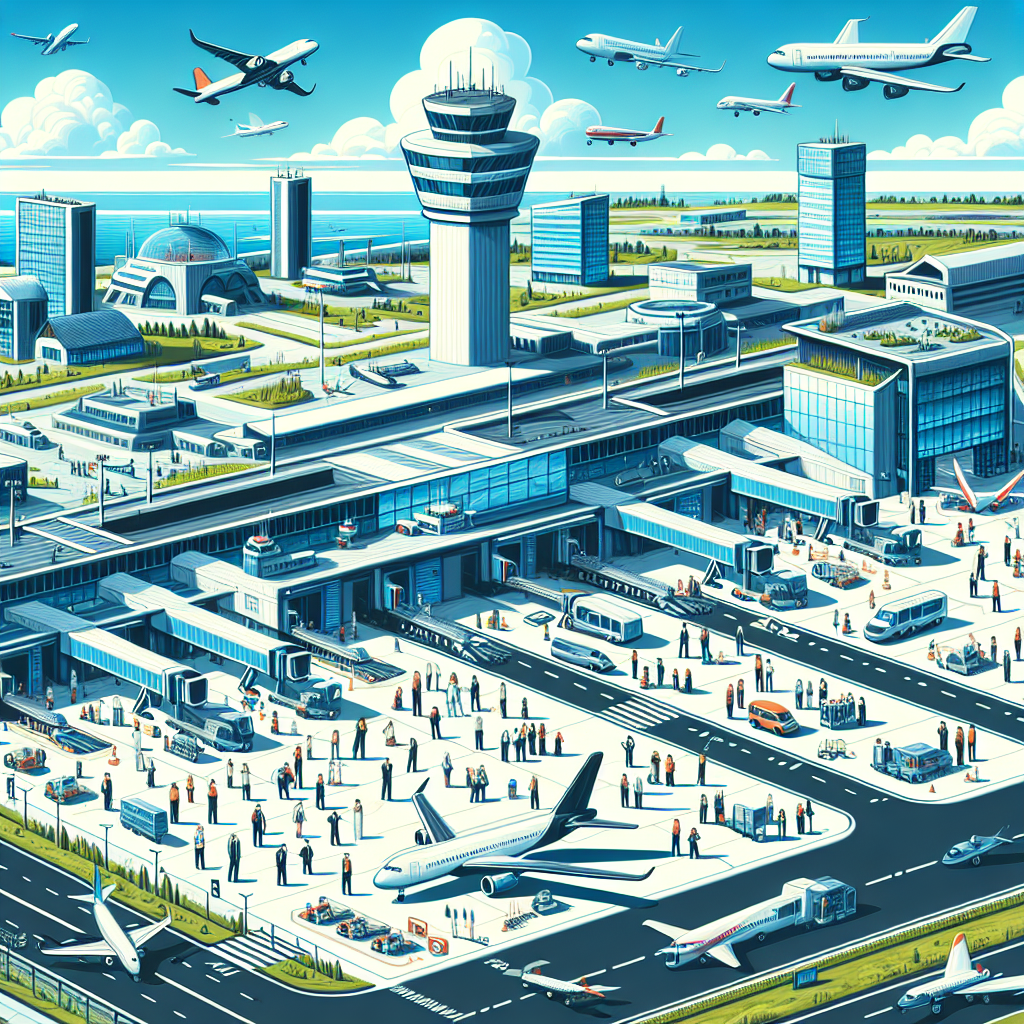
The disruption in global air travel remains severe as major Middle Eastern airports, including Dubai, continue to stay closed due to ongoing airstrikes. This has resulted in one of the most significant aviation shocks in recent years, affecting key transit airports in the region.
The aftermath of U.S. and Israeli airstrikes, which resulted in the death of Iranian Supreme Leader Ayatollah Ali Khamenei, has kept airspace over Iran and its neighbors virtually empty. Flight-tracking platforms show a noticeable absence of activity in the skies over countries including Iran, Iraq, and Qatar.
The impact of these closures is felt far beyond the Middle East as Dubai and Doha serve as crucial hubs for east-west air travel. Airline schedules have been severely disrupted, with many flights canceled or rerouted, leading to longer journeys and increased fuel costs. The continued closure of airspace and possible further conflicts pose a significant risk to global aviation.
ALSO READ
-
Lee Jae Myung's Diplomatic Milestones: Balancing Amidst Global Tensions
-
Asian Stocks Surge Amid Global Inflation Concerns
-
South Korean Stance on Middle East Conflict
-
US Approves Potential Sale of F-35 Jets to Saudi Arabia, Shifting Middle Eastern Power Dynamics
-
Asian Markets Rally Amidst Global Inflation Concerns


 Google News